


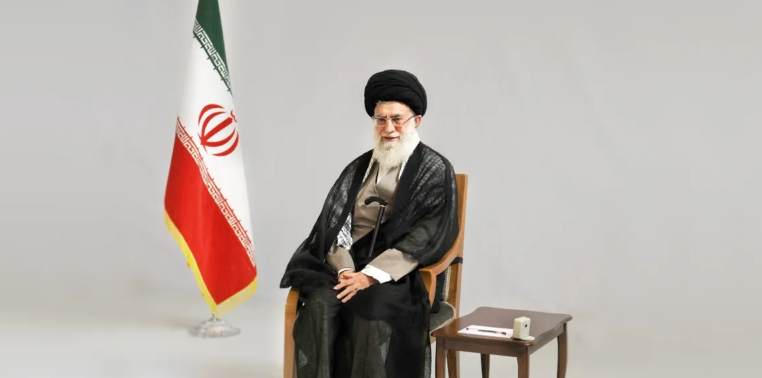
Tehran is gearing up to bury Iran's Supreme Leader Ali Khamenei, over four months after his assassination, with widespread mobilization of the Basij militia and Revolutionary Guards, and stringent security measures ahead of what Iranian authorities describe as a "historic" ceremony.
How Was the Body Preserved?
The protracted delay in the burial has raised questions about the preservation of the body, given that analysts assert traditions typically call for a swift burial and do not favor chemical embalming.
Counter-terrorism expert Muhammad Omar told Fox News Digital that the likely method was "cold storage rather than embalming," adding that Shiite jurisprudence allows for burial delays and preservation by refrigeration in exceptional circumstances. Obtaining a religious exemption for a Supreme Leader "would not be challenging," he noted.
According to Omar, Iranian forensic morgues sometimes keep bodies for months, suggesting that keeping Khamenei's body frozen for four months "is not surprising," within what authorities label "religious and legal standards."
Khamenei was killed on February 28 during a US strike targeting his compound in Tehran, in an operation named "Epic Fury," after leading the country for 36 years.
"Political Mobilization in Funeral Guise"
Omar believes the strike's nature might have prevented the body from being displayed, as it targeted fortifications. Other bodies killed in the attack were found weeks later and identified via DNA tests.
According to Iran International, Iranian authorities are preparing a massive security operation for the funeral.
Omar described Basij and Revolutionary Guards managing the scene as "the core story, not a passing detail," explaining that the Basij are handling logistical aspects, such as converting highways into parking areas and dividing Tehran's districts among provinces, while the Revolutionary Guards are tasked with crowd control.
Omar termed the ceremony "political mobilization in funeral attire," adding that the same apparatus organizing the mourning scene today suppressed January's protests and prevented some victims' families from holding funerals.
Funeral Ceremony Stages
The funeral and burial ceremonies will be held at several symbolically significant sites across Iran, from the seat of authority in Tehran to the sacred Shiite cities of Qom, Karbala, and Najaf in Iraq, concluding in Mashhad. Each location carries special significance.
The procession routes have been chosen to blend political and religious dimensions, beginning in Tehran, the center of state institutions, then moving through Qom, the hub of Shiite seminaries, followed by Karbala and Najaf, the leading sacred cities for Shiites in Iraq, before concluding in Mashhad.