


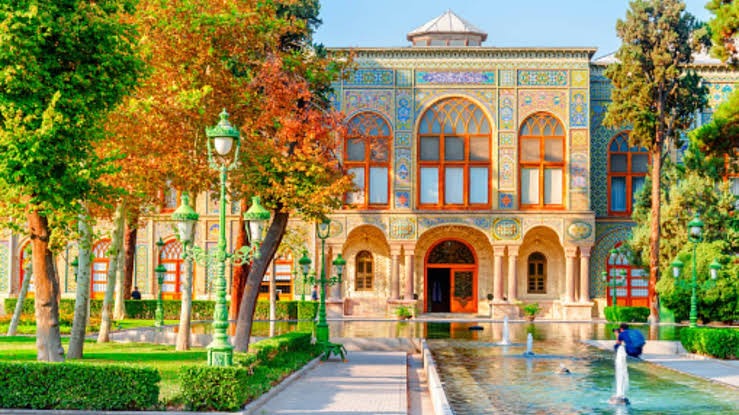
Iran stands as one of the most influential and complex countries in the Middle East, blending a history stretching back thousands of years with vast natural resources and a significant political and military presence in the region.
This combination makes it a pivotal country in the regional landscape, constantly subject to study and analysis at various levels.
Meaning of Iran
The name Iran is historically linked to ancient roots meaning 'Land of the Aryans,' reflecting the cultural identity of the peoples who have inhabited the region for millennia. It is a direct extension of the Persian identity, which forms the foundation of the country's history and culture.
Main Attractions of Iran
Iran is renowned for a multitude of cultural, historical, and economic aspects, including:
- An ancient Persian civilization spanning thousands of years
- World-renowned archaeological sites like Persepolis
- The globally famous Iranian handmade carpet industry
- Rich Persian literature filled with poetry and philosophy
- Distinct Islamic and Persian architecture
- Geographic diversity ranging from mountains, deserts to coastlines
- A cuisine rich in flavors
- Traditional arts like calligraphy and ornamentation
- A strength in oil and gas industries
- A significant political and regional influence in the Middle East
What Makes Iran Unique?
Iran boasts several factors that make it a regionally significant country, such as:
- A strategic geographical location connecting Asia with the Middle East
- Vast natural resources, especially oil and gas
- An economy heavily reliant on energy and heavy industries
- Cultural and ethnic diversity within its society
- A political system with wide regional influence
Demographics & Religion in Iran
Iran's demographic is predominantly Twelver Shia Muslim, providing the country with a clear religious identity influencing its political and social systems.
Alongside this, there is a Sunni minority concentrated in some border regions, such as the west and east of the country. There are also small religious minorities, including Christians, Zoroastrians, and Jews. Although limited in numbers, these minorities are part of Iran's historical societal fabric.
This diversity, though relatively limited, reflects a long historical extension of religious and cultural plurality within Iran, with the Shia identity remaining the dominant structure of the state.
Natural Resources in Iran
Iran is among the wealthiest countries in the region concerning natural resources, including:
- Crude oil
- Natural gas
- Minerals such as iron and copper
- Coal
- Agricultural lands
- Water resources in some areas
These resources form the backbone of Iran's economy and are a source of its production strength.
Industries in Iran
The Iranian economy has a diverse industrial base, including:
- Oil refining
- Petrochemical industries
- Local automobile manufacturing
- Food industries
- Pharmaceutical industries
- Handicraft carpet making
- Metal industries
These industries heavily rely on local natural resources.
Iran's Military Power
Iran is considered one of the strongest military powers in the Middle East in terms of numbers and missile capabilities, with a large army.
In addition, advancing defensive and missile programs provide it a notable military presence in the region.
Conclusion
Iran encompasses an ancient history, rich natural resources, economic and military strength, and a population with a distinct religious identity, making it one of the most influential countries in the Middle East and the world.
See Also:
Is Gold a Safe Investment in 2026?