


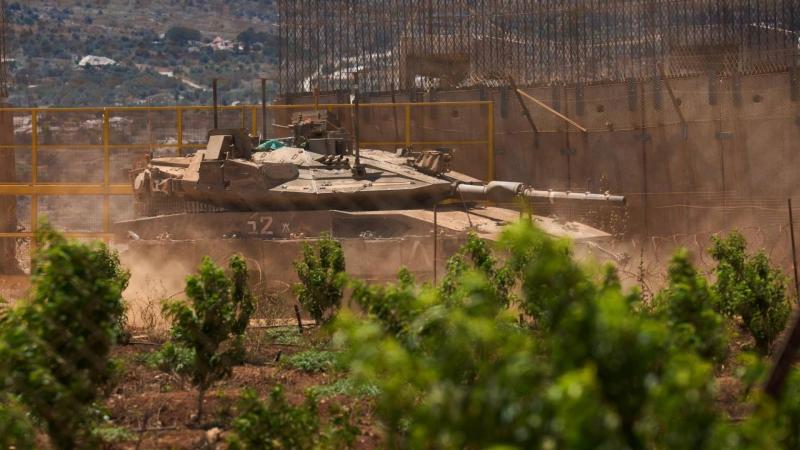
Israel has resumed large-scale bombings in southern Lebanon, with the Israeli military executing demolitions across multiple towns, amidst aerial raids, artillery shelling, and intensive reconnaissance by manned and unmanned aircraft. Strikes targeted the areas around Arnoun-Shqif and Nabatieh as well as other locales, leading to injuries caused by drones targeting vehicles in the town of Siddiqine, while other drones dropped sound bombs in nearby areas without causing injuries.
The Israeli army reported the death of a Hezbollah member in the Ali Taher Heights, asserting it was due to an airstrike after he was spotted emerging from an underground facility. Furthermore, Israel claimed to have completed destructive operations in southern Lebanon through its Givati Brigade, alleging the dismantlement of hundreds of Hezbollah's infrastructures.
Amid escalating tensions, Israeli military spokesperson, Ella Waweh, announced airstrikes on approximately ten Hezbollah infrastructure sites. These military actions coincide with anticipated phases of the "Framework Agreement" calling for gradual Israeli withdrawals, although no practical steps have been observed yet. Israel’s continued military presence raises questions about intentions—whether these are preludes to withdrawal or efforts to redesign the security landscape in the south.
On the ground, operations extend beyond targeting Hezbollah positions to re-engineering the border region by obliterating potential military resources, rendering border towns desolate to assure Israel’s tactical dominance despite potential withdrawals.
The Israeli strategy seems aimed at sanitizing controlled areas through thorough searches to leave no military utility, ensuring the areas remain secure from armed threats following any drawn-back presence.
Major General Saeed Qazah commented that Israel’s extensive demolitions are part of a military strategy to sanitize occupied areas of any military infrastructure. This includes dealing with discovered tunnels and weapon depots, portraying continuous maneuvers to prevent future security threats.
As Israel maintains its emphasis on operations and infrastructure demolition, the establishment of a new security buffer resembling the 1982-2000 zone appears likely. Crucial differences lie in the extensive destruction of settlements within this buffer, potentially facilitating Israeli military control while impeding resistance efforts.
In the same vein, Retired Brigadier General Bassam Yassin noted comprehensive demolition tactics signify a shift to establishing field facts supporting control over occupied territories. By eradicating not only military sites but also essential infrastructures, Israel reportedly aims to create a buffer devoid of life.
This strategy not only disrupts military formations but aims to obstruct the return of normalcy, effectively facilitating open military maneuvers. Sustained destruction compounds issues post-displacement, perhaps making returning difficult as displaced groups settle elsewhere.
Yassin argues such ongoing measures indicate a policy realignment potentially diminishing return attempts, essentially ensuring Israeli strategic leverage over these emptied zones even if withdrawals occur.
Israel Redraws Lebanon Border: Military Operations Signal Buffer Zone Creation
Share