


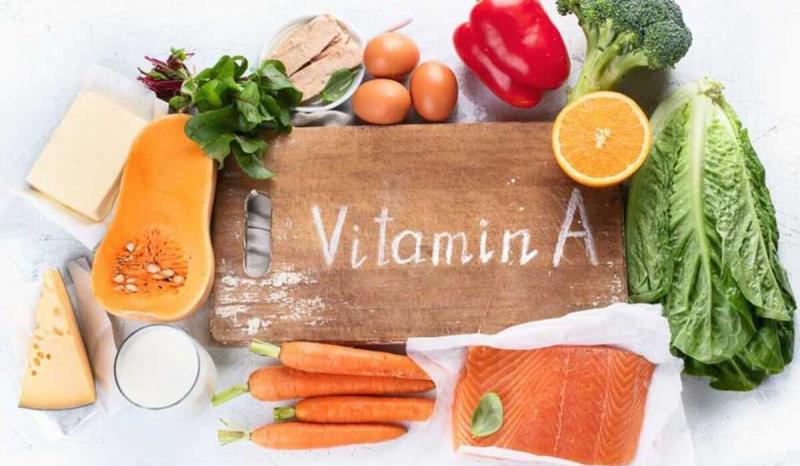
Vitamin A is an important topic for those looking to support eye health, strengthen the immune system, and maintain healthy skin. It is an essential nutrient needed by the body for regulating many vital functions, especially vision, cell growth, and tissue regeneration.
The body obtains Vitamin A from two main sources. The first is retinol found in animal products, which is the active form used directly by the body. The second is beta-carotene found in plants, which the body converts to Vitamin A as needed. Moreover, diversifying food sources can enhance the appropriate intake of this vitamin.
The Importance of Vitamin A for the Body
Before exploring Vitamin A sources, it is crucial to understand its fundamental role in human health. It contributes to:
- Maintaining eye health and improving low-light vision.
- Supporting the immune system and resisting infections.
- Renewing skin cells and ensuring a radiant complexion.
- Supporting normal growth and tissue formation.
Moreover, obtaining sufficient amounts of Vitamin A is essential for children and pregnant women. It is important to avoid excessive supplementation, especially from animal sources.
Best Foods to Treat Vitamin A Deficiency

Animal Sources Rich in Active Vitamin A
Animal sources contain Vitamin A in the form of retinol, which is ready for the body to efficiently use. They are among the richest natural sources of this vitamin.
Liver – The Richest Natural Source of Vitamin A
Liver, particularly beef liver, is one of the most important foods high in Vitamin A, containing a high concentration of retinol compared to most other foods.
Including liver in a balanced diet can help compensate for Vitamin A deficiency, but it is advisable not to overconsume due to its high vitamin content.
Cod Liver Oil – A Concentrated Vitamin Source
Cod liver oil is rich in Vitamin A, providing concentrated amounts in small doses. It also contains omega-3 fatty acids that support heart and brain health, but it should be used cautiously to avoid excessive Vitamin A intake.
Fatty Fish – An Additional Boost for Body Health
Fatty fish, such as salmon, provide good amounts of Vitamin A and contain important healthy fats. They are a beneficial dietary choice for those looking to combine vitamin intake with overall health support.
Eggs and Dairy Products
Eggs, especially egg yolks, offer suitable amounts of Vitamin A, while dairy products like cheese, butter, and fortified milk provide additional sources.
These foods can be easily incorporated into the daily diet, making them a practical choice to maintain adequate Vitamin A levels.
Plant Sources Rich in Beta-Carotene
Plant sources are noted for their carotenoid content, specifically beta-carotene, which the body converts to Vitamin A. These sources are relatively safe, relying on the body's conversion capacity.
Sweet Potatoes – A Strong Source of Beta-Carotene
Sweet potatoes are among the best plant-based foods for treating Vitamin A deficiency, as a cooked cup offers a large amount of beta-carotene. Additionally, they are rich in fiber and healthy carbohydrates, making them a suitable choice in a balanced diet.
Carrots – The Most Famous Eye Health Food
Carrots are closely associated with eye health because they contain beta-carotene, which the body uses to produce Vitamin A. They can be consumed in various ways, such as raw, cooked, or added to juices and meals.
Pumpkins and Squash – Foods Rich in Valuable Nutrients
Pumpkin and squash provide good beta-carotene levels, along with fiber and antioxidants. Furthermore, they are low-calorie foods that can be easily incorporated into various recipes.
Leafy Greens and Fruits Rich in Vitamin A
Spinach and Broccoli – Important Green Sources
Dark leafy greens like spinach and broccoli contain beta-carotene, alongside an array of essential vitamins and minerals. Moreover, their antioxidants help protect cells and support various body functions.
Red Bell Peppers – Rich in Vitamin and Antioxidants
Red bell peppers are vegetables rich in carotenoids and contain antioxidant compounds that support body health. They can be easily added to salads and daily meals for nutritional benefits.
Apricots and Peaches – Beneficial Fruits to Combat Deficiency
Fruits like apricots and peaches contain beta-carotene, making them a good daily dietary choice. They also provide other nutrients, such as fiber and beneficial plant compounds.
Tips for Enhancing Vitamin A Absorption From Food
To maximize the benefits of Vitamin A-rich foods, follow these dietary tips:
- Consume vitamin sources with healthy fats, such as olive oil or nuts, since Vitamin A is fat-soluble.
- Diversify food sources between animal and plant categories.
- Avoid relying on supplements without medical advice.
- Maintain a balanced diet rich in vegetables and fruits.
On the other hand, consuming large amounts of Vitamin A supplements may lead to accumulation in the body and adverse effects, making natural food the optimal choice for most individuals.
Symptoms of Vitamin A Deficiency to Watch For
Vitamin A deficiency may manifest through several signs, including:
- Dry eyes.
- Night vision weakness.
- Dry skin.
- Weak immunity and frequent infections.
- Slow tissue growth.
Therefore, incorporating Vitamin A-rich foods into the diet helps prevent deficiency and supports overall health.
In conclusion, the best foods to address Vitamin A deficiency range from animal sources like liver, cod liver oil, and eggs to plant sources like carrots, sweet potatoes, and spinach. However, caution should be exercised with excessive supplementation or concentrated sources to avoid exceeding the required vitamin levels.
See Also: Everything You Need to Know About Vitamin A