



Calcium is one of the most essential minerals required by the body to maintain healthy bones and teeth. It plays a crucial role in muscle contraction, nerve signal transmission, and heart function regulation. Therefore, a decrease in its levels can lead to several symptoms impacting daily life.
A common question is: Does calcium deficiency cause muscle cramps? The answer is yes. Muscle cramps are a prominent sign of calcium deficiency, especially if the deficiency is prolonged or severe. It may also be accompanied by numbness, tingling, and muscle weakness.
How Does Calcium Deficiency Cause Muscle Cramps?
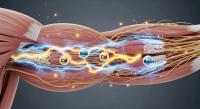
Calcium helps in the natural contraction and relaxation of muscles. When calcium levels in the blood are low, nerves and muscles become more excitable, leading to painful muscle contractions and cramps, particularly in the legs, hands, and feet.
These cramps may increase during sleep or after physical activity, with severity varying from person to person depending on the degree of deficiency.
Muscle-Related Symptoms of Calcium Deficiency
Besides muscle cramps, calcium deficiency can cause various other symptoms, including:
- Frequent leg cramps and contractions.
- Numbness or tingling in hands and feet.
- Muscle weakness.
- Muscle twitching or shaking.
- Persistent fatigue and tiredness.
- Difficulty moving in some cases.
Other Symptoms of Calcium Deficiency

Additional symptoms can appear if calcium deficiency persists untreated, including:
- Weak and brittle bones.
- Easily broken nails.
- Dry skin.
- Tooth decay or weakness.
- Heart rhythm disturbances in severe cases.
- Mood changes such as anxiety or depression.
Causes of Calcium Deficiency
Several factors can lead to low calcium levels in the body, including:
- Vitamin D deficiency, which helps in calcium absorption.
- Lack of calcium-rich foods in the diet.
- Some kidney diseases.
- Parathyroid gland disorders.
- Long-term use of certain medications.
- Poor nutrient absorption.
How Is Calcium Deficiency Diagnosed?
Doctors use several steps to diagnose the condition, including:
- Reviewing symptoms and medical history.
- Conducting a blood calcium level test.
- Measuring vitamin D levels.
- Assessing kidney and parathyroid gland functions when needed.
Treating Muscle Cramps Due to Calcium Deficiency
Treatment depends on the cause and severity of the deficiency and may include:
- Taking calcium supplements under medical supervision.
- Treating any vitamin D deficiency.
- Increasing intake of calcium-rich foods.
- Drinking sufficient water.
- Practicing stretching exercises to relieve cramps.
- Treating any underlying condition causing low calcium.
Best Calcium-Rich Foods

A balanced diet helps maintain calcium levels, with key food sources including:
- Milk and dairy products.
- Yogurt.
- Cheese.
- Sardines and canned salmon with bones.
- Almonds.
- Sesame seeds.
- Broccoli.
- Spinach.
- Kale.
- Calcium-fortified foods.
How to Prevent Calcium Deficiency?
To prevent calcium deficiency and muscle cramps, it is advised to:
- Consume the daily required intake of calcium.
- Get moderate sun exposure for vitamin D.
- Engage in regular physical activity.
- Follow a balanced diet.
- Undergo periodic health check-ups when at risk.
- Avoid taking calcium supplements without consulting a doctor.
When to Consult a Doctor?
You should consult a doctor if muscle cramps are frequent or severe, accompanied by persistent numbness, noticeable muscle weakness, heart rhythm disturbances, or if symptoms do not improve despite dietary changes.
In conclusion, the answer to the question of whether calcium deficiency causes muscle cramps is yes. Low calcium levels are a significant cause of muscle cramps and contractions due to their direct influence on nerve and muscle function. Thus, early diagnosis, proper nutrition, and treating the underlying cause can help alleviate symptoms and prevent complications, maintaining muscle and bone health.
See Also
Symptoms of Calcium Deficiency