


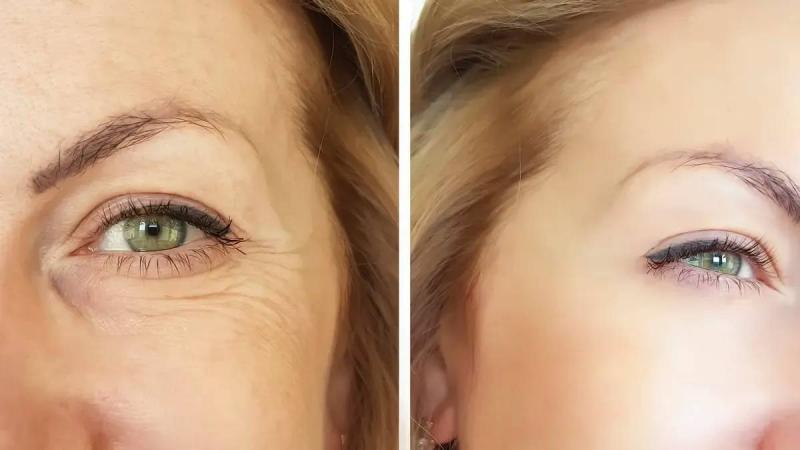
Many wonder if Vitamin A can reduce wrinkles, given the widespread availability of skincare products containing retinol and retinoids. Vitamin A and its derivatives are among the most researched ingredients in anti-aging, known for their ability to penetrate skin layers and stimulate natural regeneration processes.
While Vitamin A doesn't eliminate wrinkles instantly, regular use can improve the appearance of fine lines and support skin elasticity. Results vary depending on the derivative used, its concentration, application method, and skin response.
How Does Vitamin A Affect Wrinkles?

Stimulating Collagen Production
Collagen is the main protein responsible for skin elasticity and firmness. Its production decreases with age, resulting in lines and wrinkles.
Vitamin A and its derivatives activate the cells responsible for collagen production, enhancing skin strength and reducing fine wrinkle appearance over time.
Reducing Collagen Breakdown
Besides stimulating collagen production, retinoids also decrease the activity of enzymes that break down natural collagen. Maintaining better collagen levels supports skin elasticity and delays aging signs.
Accelerating Skin Cell Renewal
Vitamin A accelerates skin cell turnover by promoting the shedding of old cells and replacing them with newer, more vibrant ones. This effect gives the skin a smoother and brighter appearance, improving texture and reducing dullness.
Thickening the Deeper Skin Layers
Continuous use of certain Vitamin A derivatives can enhance the density of the skin's inner layers, helping reduce the prominence of expression lines, especially around the eyes and mouth. Moreover, Vitamin A can improve uneven skin tone and support a healthy appearance.
Popular Vitamin A Derivatives for Skincare
The strength of Vitamin A products depends on the derivative used, requiring careful selection based on skin sensitivity and retinoid usage experience.
Retinol – Ideal for Beginners
Retinol is a widely available form of Vitamin A found in over-the-counter skincare products. It gradually converts to its active form within the skin, making it gentler and less irritating than other types. Benefits include:
- Improves fine line appearance.
- Supports skin renewal.
- Enhances texture.
- Often suitable for beginners.
Retinal – More Effective than Retinol
Retinal or retinaldehyde is closer to the active form of Vitamin A than retinol, potentially offering faster results for some users. It requires only one conversion step in the skin to become effective, making it a medium-strength option between retinol and tretinoin.
Tretinoin – The Strongest and Most Effective Form
Tretinoin is the directly active form of Vitamin A, widely used for treating wrinkles, acne, and other skin issues. It may cause dryness, redness, or peeling, necessitating medical supervision, especially with high concentrations.
How to Use Vitamin A for Skin Safely
Start Gradually
Begin with a low concentration, applying the product once or twice weekly in the evening, and increase usage gradually based on skin tolerance.
Use an Appropriate Moisturizer
Retinoids may cause dryness or peeling initially, so regular moisturizing helps support the skin barrier and reduce discomfort.
Apply Sunscreen Daily
Sunscreen is essential when using Vitamin A products since UV protection prevents additional damage and aging signs. Combining retinoids with sunscreen yields better results in skincare routines.
When Will Vitamin A Results Appear for Wrinkles?
Vitamin A products need time to show results due to their reliance on stimulating collagen production and skin cell renewal. Improvements in skin texture may appear within weeks, but addressing wrinkles and fine lines typically requires a longer commitment. Results vary based on skin age, product type, concentration, and usage compliance.
Is Vitamin A Suitable for All Skin Types?
Many people can use Vitamin A products, though sensitive skin types might opt for milder formulations and gradual introduction. Consulting a doctor is advisable before using Vitamin A derivatives, especially for skin conditions or concurrent treatments.
Vitamin A during Pregnancy and Breastfeeding
Strong Vitamin A derivatives, whether topical or oral, should be avoided during pregnancy unless medically advised, as some retinoids may affect fetal development. It's crucial to consult a doctor before using any Vitamin A products during pregnancy or breastfeeding.
In conclusion, Vitamin A derivatives like retinol and retinoids can enhance fine line appearance and skin elasticity by stimulating collagen and accelerating cell renewal.
However, these products require regular use and patience for noticeable results, with moisturizing and sunscreen essential to prevent irritation and maintain skin health.
See Also