


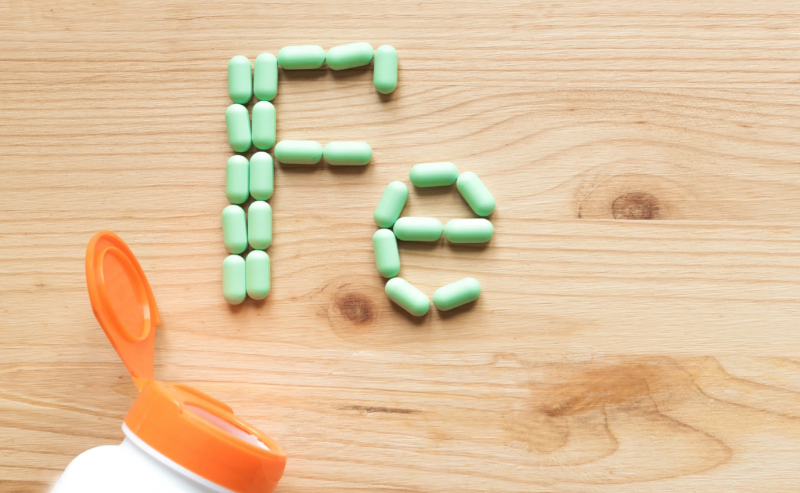
Iron plays a crucial role in maintaining bodily health, as it is involved in forming hemoglobin inside red blood cells, which is responsible for transporting oxygen from the lungs to all parts of the body.
Therefore, a reduction in iron stores can impact the body's ability to function normally, leading to a range of symptoms that vary in severity from person to person.
Iron deficiency is one of the most prevalent nutritional shortages worldwide and can affect children, women of childbearing age, pregnant women, the elderly, and others. Early detection helps treat the condition before it progresses to iron deficiency anemia, making it essential to be aware of the signs that may indicate this problem.
What is Iron Deficiency?
Iron deficiency is a condition where the amount of stored iron in the body decreases or falls below daily needs, affecting the production of hemoglobin and red blood cells over time.
In its initial stages, no clear symptoms may appear, but ongoing deficiency without treatment can lead to iron deficiency anemia, a condition where the blood's ability to efficiently transport oxygen to body tissues decreases.
Symptoms of Iron Deficiency
Fatigue and Constant Tiredness
Feeling tired is one of the most common symptoms of iron deficiency, as reduced hemoglobin decreases the oxygen reaching muscles and organs, requiring more effort to perform daily activities.
Even after adequate rest, the affected individual might feel exhausted and may struggle with tasks that were previously easy.
Pale Skin
Those with iron deficiency might notice their skin becoming paler than usual, especially on the face, inner eyelids, or palms.
This occurs due to a reduction in the number of red blood cells or hemoglobin that gives blood its natural red color.
Shortness of Breath
When the blood carries less oxygen, the body may compensate by increasing breathing rate, leading to shortness of breath, especially during exertion like climbing stairs.
This symptom can appear even with minimal exertion if the iron deficiency is severe.
Increased Heart Rate
Iron deficiency can place additional pressure on the heart, attempting to pump more blood to compensate for decreased oxygen delivery to tissues.
Some may feel heart palpitations or an increased heart rate, particularly during physical activities.
Headache and Dizziness
Low oxygen supply to the brain can cause headaches or dizziness, and some might also experience difficulty concentrating or a feeling of imbalance.
These symptoms generally improve after treating the cause and restoring normal iron levels.
Cold Hands and Feet
Iron deficiency can weaken oxygen delivery to the extremities, leading some individuals to feel cold hands or feet even in mild weather.
Brittle Nails and Hair Loss
Iron deficiency can affect hair and nail health, with some experiencing increased hair loss or brittle nails that break easily.
Though these symptoms could be attributed to other causes, iron deficiency is a potential factor that needs medical evaluation.
Cravings for Non-food Substances
In some cases, particularly in children and pregnant women, an unusual craving called "pica" may appear, involving a desire to consume non-food items like ice, dirt, or starch.
This is a symptom potentially linked to iron deficiency and requires medical assessment.
Causes of Iron Deficiency

Insufficient Iron Intake
A diet lacking in iron-rich foods can lead to a reduction in body iron stores, especially if sustained over time.
This risk increases in individuals who do not consume sufficient iron sources or have elevated dietary needs.
Blood Loss
Blood loss is one of the most common causes of iron deficiency, due to heavy menstrual periods in women, bleeding from stomach ulcers or gastrointestinal diseases, or following surgeries and injuries.
Increased Body Needs
Iron needs increase during certain periods such as pregnancy, breastfeeding, and the rapid growth stages of children and adolescents, heightening the risk of deficiency if these needs are not met.
Poor Iron Absorption
Certain conditions, such as celiac disease or other digestive disorders, can affect the body's ability to absorb iron from food.
Additionally, some gastrointestinal surgeries may decrease iron absorption.
Who is Most at Risk for Iron Deficiency?
Those at increased risk include:
- Women of childbearing age.
- Pregnant women.
- Infants and children.
- Adolescents during growth spurts.
- Vegetarians if not adequately planning their diet.
- Individuals with chronic illnesses impacting absorption or causing blood loss.
See Also: Does Vitamin B12 Deficiency Cause Dizziness and Continuous Fatigue?
Psychological Symptoms of Vitamin B12 Deficiency
How to Know You Have a Vitamin D Deficiency? Symptoms and Important Tests