


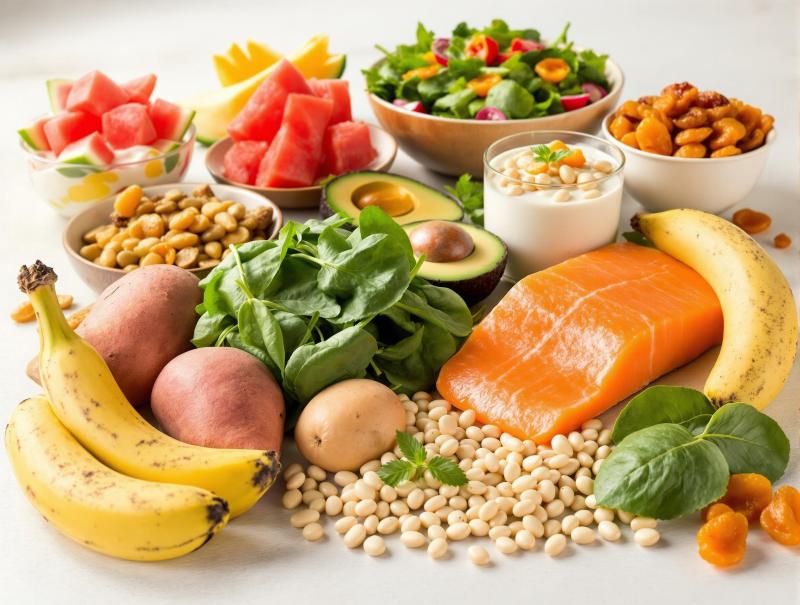
Potassium plays a vital role in numerous essential bodily functions. It assists in regulating heartbeats, supporting muscle contractions, and maintaining fluid balance inside cells. Furthermore, incorporating potassium within a balanced diet helps keep blood pressure at healthy levels.
Despite its importance, some individuals may not get enough potassium due to unhealthy eating habits or specific medical conditions. Thus, consuming naturally potassium-rich foods is recommended to meet daily needs unless advised otherwise by a physician.
Best Potassium-Rich Foods: Natural Sources for Heart and Muscle Health
1. Bananas
Bananas are well-known natural sources of potassium. They also contain carbohydrates and fiber, supplying the body with energy, making them ideal as snacks or pre-exercise food.
2. Avocados
Avocados are rich in potassium and also offer healthy fats and fiber, making them a nutritious choice for heart health.
3. Potatoes and Sweet Potatoes
Potatoes, especially when eaten with their skins after cooking, are excellent sources of potassium, and they also provide fiber and other essential vitamins and minerals.
4. Spinach
Spinach is distinguished by its potassium content along with iron, folic acid, and Vitamin K, making it a versatile addition to salads and cooked dishes.
5. Beans and Lentils
Legumes like beans and lentils are excellent potassium sources, and they also offer plant-based proteins and fibers, promoting a feeling of fullness.
6. Salmon
Salmon is a good source of potassium and omega-3 fatty acids, beneficial for heart health.
7. Yogurt
Yogurt provides potassium, calcium, and protein, making it a good snack or breakfast addition.
8. Dried Apricots
Dried apricots are potassium-rich dried fruits, though moderation is advised due to high natural sugar content.
9. Tomatoes
Tomatoes and tomato juice contain potassium, easily integrated into various daily meals.
10. Oranges and Citrus Fruits
Oranges and orange juice provide a good amount of potassium and Vitamin C, which supports immune health.
Benefits of Potassium for the Body
Potassium aids in several important functions, including:
- Supporting heart health and regular beats.
- Contributing to natural muscle contractions.
- Maintaining fluid balance within the body.
- Supporting nerve functions.
- Helping maintain healthy blood pressure and contributing to muscle function post-activity.
Symptoms of Potassium Deficiency
Low potassium levels can lead to symptoms varying with deficiency severity such as:
- Muscle weakness.
- Fatigue and tiredness.
- Muscle cramps.
- Constipation.
- Severe cases may lead to irregular heartbeats.
- Occasional tingling or numbness.
If you experience severe symptoms or associated palpitations and weakness, consult a doctor immediately.
Daily Potassium Requirement
Potassium needs vary by age, gender, and health condition. Most adults require several thousand milligrams daily, achievable through a balanced diet rich in fruits and vegetables.
Who Should Monitor Potassium Intake?
Despite its benefits, certain individuals should consult a doctor before increasing potassium intake, such as:
- People with kidney disease.
- Individuals taking certain blood pressure medications or diuretics.
- Those with blood potassium level disorders.
Tips for Healthily Increasing Potassium Levels
- Consume five or more servings of fruits and vegetables daily.
- Regularly include legumes in your diet.
- Replace processed snacks with fresh fruits.
- Diversify potassium sources instead of relying on one type.
- Only take potassium supplements after consulting a doctor.
In Conclusion, potassium is crucial for maintaining heart, muscle, and nerve health. It can be easily obtained through a balanced diet involving fruits, vegetables, legumes, and dairy products. If you experience symptoms of potassium deficiency or have a chronic illness, it's best to consult a doctor for proper assessment and determine the need for tests or treatment.
See Also: