


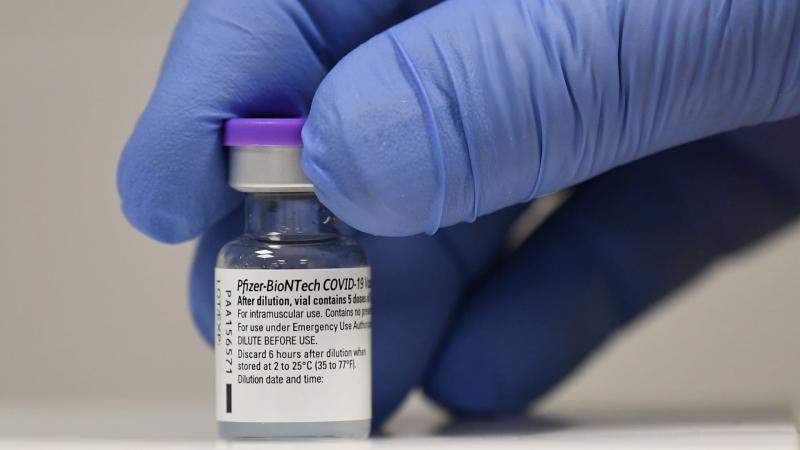
After decades of continuous research, scientists have achieved a significant breakthrough in the development of a vaccine against enterotoxigenic Escherichia coli (ETEC), a leading cause of severe diarrhea globally. The new technology has been licensed to a French pharmaceutical company to further its development, aiming to address this chronic health issue, which records millions of cases annually, particularly affecting children in low- and middle-income countries.
ETEC bacteria produce a toxin that has long been a major hurdle in developing an effective vaccine. However, a team from the University of Bergen and the Norwegian Research Center successfully developed a technology targeting this toxin, showing promising preliminary results.
According to experts, the proteins developed by the team stimulate strong antibody responses, providing clear protection against diarrhea following initial infection, especially for children in developing countries who are most vulnerable.
Despite these encouraging results, scientists caution that there is still a long way to go before this discovery can be transformed into a vaccine accessible to everyone. The technology is still under development and requires additional laboratory studies, extensive clinical trials, and review by relevant regulatory authorities before it can be used by the public. However, the agreement with the French company represents a significant push to accelerate these phases.
Breakthrough in Vaccine Development Against Harmful Bacteria Affecting Children
Share