


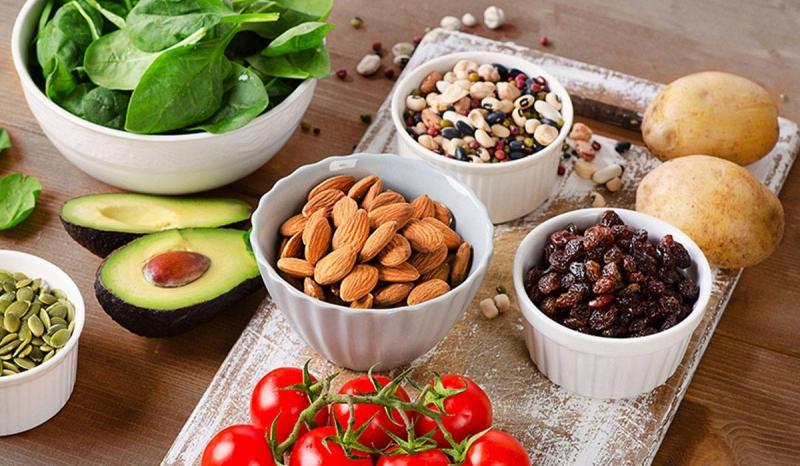
Potassium holds a significant position among the essential minerals the body requires for vital functions. It plays a role in regulating blood pressure, helps muscles contract naturally, and supports the transmission of nerve signals between body cells. Thus, obtaining an adequate amount of potassium from food is a crucial part of a healthy and balanced lifestyle.
Many everyday foods provide natural sources of potassium. However, choosing the right foods depends on an individual's health condition, particularly for those with kidney diseases or those on medications affecting mineral levels in the body. Therefore, it is important to maintain balance and avoid excessively increasing potassium intake without necessity.
The Importance of Potassium in the Body
Potassium is a major mineral and acts as an electrolyte in the body; it assists in transmitting electrical charges necessary for cell function, plays a role in regulating heartbeat, maintaining fluid balance, and supporting muscle and nerve functions.
Consuming sufficient potassium as part of a balanced diet is linked to maintaining healthy blood pressure levels, especially when combined with reduced sodium intake.
Potassium-Rich Foods
Bananas
Bananas are widely known for their potassium content. They offer a good amount of this mineral along with carbohydrates and fibers that help provide energy and support digestive health. Many athletes prefer bananas as a light snack due to their easy digestion and the important minerals they contain, which can help replenish nutrients lost during physical activity.
Potatoes
Potatoes, especially when eaten with their skins after being well-cleaned, are a rich source of potassium. They also contain other nutrients such as fiber and important vitamins. The nutritional value varies based on preparation methods; roasting or boiling is preferred over frying to maintain benefits and reduce excess fat.
Avocado
Avocados contain a good percentage of potassium, in addition to healthy fats and fiber. They are a suitable option to add to salads or various dishes within a balanced diet. The healthy fats in avocados support heart health when consumed in moderation.
Spinach and Leafy Greens
Leafy greens like spinach are important plant sources of potassium and provide an array of vitamins, minerals, and antioxidants that support overall health. These can be consumed cooked or added to salads and green smoothies according to personal preference.
Tomatoes and Tomato Products
Tomatoes are rich in potassium, along with beneficial plant compounds. The concentration of some nutrients increases when using tomato products like sauce or paste. However, care should be taken regarding the salt content in some ready-made products, as high sodium can affect the balance of minerals in the body.
Legumes
Legumes such as lentils, beans, and chickpeas are rich in potassium and also provide plant-based protein and fiber that help with satiety and digestive health. Legumes are a suitable dietary choice within balanced healthy diets.
Nuts and Seeds
Some nuts and seeds, like almonds and pumpkin seeds, contain good amounts of potassium, in addition to healthy fats and other minerals. It's advisable to consume them in moderation because of their high-calorie content.
Fish
Certain types of fish offer potassium along with protein and beneficial fatty acids, particularly fatty fish linked with multiple health benefits when included in a balanced diet.
Oranges and Orange Juice
Oranges are rich in potassium along with vitamin C and water, making them a suitable choice to help meet daily potassium needs. Whole fruits are preferred over excessive juice consumption for their fiber content.
Dried Fruits
Dried fruits such as raisins and dried apricots have a high concentration of potassium due to water removal. However, they should be consumed in moderation as they are high in sugars and calories.
The Amount of Potassium Required by the Body
The body's potassium needs vary according to age, health condition, and physical activity. Most individuals can meet their requirements through a diverse diet containing fruits, vegetables, and legumes. Potassium supplements are not recommended unless medically necessary and under physician supervision, as high potassium levels in the blood can lead to health issues.
For more wellness tips, see: Why We Feel Tired Without Cause, What Happens to Your Body When You Stop Eating Bread, Foods That Increase Satiety and Reduce Hunger