


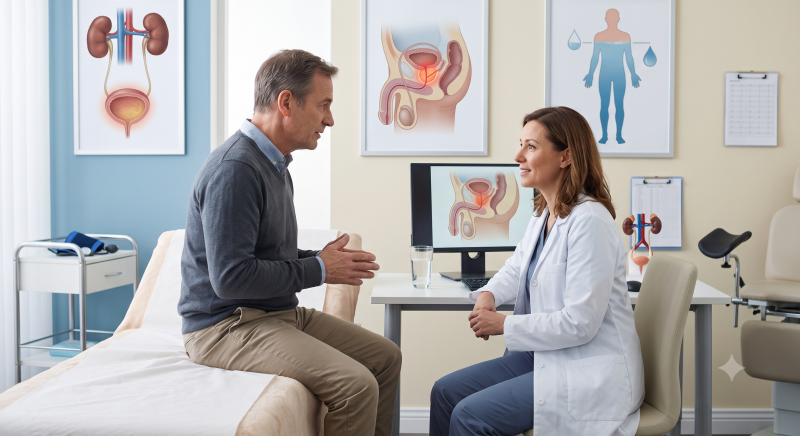
Frequent urination is a common symptom affecting people of all ages, which may occur temporarily due to slight lifestyle changes or persist over time due to health factors that impact bladder or kidney function, or fluid balance in the body.
Frequent urination doesn't necessarily indicate a serious illness, as it varies with the amount of fluid intake, age, health status, and medications used.
If the issue persists or other symptoms such as pain, excessive thirst, or a change in urine color appear, consulting a doctor to determine the cause and appropriate treatment is advised.
What is Frequent Urination?
Frequent urination refers to needing to urinate more often than usual. The typical frequency varies from person to person, but most people urinate about six to eight times a day. This number may increase with excessive fluid intake or diuretic consumption.
It differs from polyuria (increased urine volume), where one might frequently feel the need to urinate with only small amounts of urine, or produce large amounts of urine daily.
Causes of Frequent Urination
Increased Fluid Intake
Drinking large quantities of water or beverages in a short time can commonly increase urination frequency, as the kidneys eliminate excess fluids to maintain body balance.
Beverages containing caffeine, such as coffee, tea, and some sodas, may also increase urine output for some.
Urinary Tract Infection (UTI)
UTIs are a common cause of frequent urination, especially in women, occurring when bacteria enter the urinary system, irritating the bladder and increasing the urge to urinate.
Accompanied symptoms may include:
- Burning sensation during urination
- Lower abdominal pain
- Change in urine odor
- Sometimes blood in the urine
Diabetes
Frequent urination can signify diabetes, where high blood sugar levels cause the body to flush out excess glucose through urine, increasing its production.
This condition often includes other symptoms like increased thirst, fatigue, and unexplained weight loss.
Overactive Bladder
Characterized by involuntary bladder muscle contractions, an overactive bladder can lead to a sudden, strong urge to urinate, even when not full.
This condition may result in:
- Frequent daytime urination
- Nocturnal awakenings to urinate
- Difficulty controlling the urge to urinate
Pregnancy
Frequent urination is common during pregnancy, especially early and late-stage due to hormonal changes and increased uterine pressure on the bladder.
This is typically normal unless accompanied by symptoms indicating an infection or another issue.
Certain Medications
Some medications, especially diuretics for treating high blood pressure or fluid retention, can increase urination frequency.
Inform your doctor of any noticeable changes in urination patterns after starting new medications.
Enlarged Prostate
In men, especially older, benign prostatic hyperplasia can press on the urethra and affect bladder emptying efficiency.
Symptoms may include:
- Weak urinary stream
- Difficulty starting urination
- Sensation of incomplete bladder emptying
- Increased nighttime urination
Anxiety and Stress
For some, anxiety and stress can heighten the need to urinate due to the psychological state impacting the nervous system controlling the bladder.
Causes of Nighttime Frequent Urination
Known as "nocturia," frequent nighttime urination can result from:
- Excessive evening fluid intake
- Evening caffeine consumption
- Aging
- Certain kidney or heart diseases
- Bladder disorders
- Diabetes
Frequent nighttime urination can affect sleep quality; thus, consulting a doctor is advised if it becomes disruptive or persistent.
When to Seek Medical Advice?
Consult a doctor if frequent urination coincides with any of the following:
- Pain or burning during urination
- Blood in urine
- Fever
- Lower back or side pain
- Remarkable thirst increase
- Unexplained weight loss
- Persistent issue without clear cause
How is Frequent Urination Diagnosed?
Diagnosis relies on one's medical history and symptoms. Tests may include:
- Urinalysis for infections or other issues
- Blood sugar testing
- Kidney function tests as needed
- Urinary tract imaging in some cases
The goal is diagnosing the underlying cause instead of merely treating the symptom.
Tips to Help Reduce Frequent Urination
Some daily changes might help alleviate the problem, such as:
- Managing fluid intake throughout the day
- Avoiding excessive caffeine
- Reducing bedtime fluid consumption
- Not holding urine for extended periods
- Maintaining a healthy weight
- Practicing pelvic floor muscle exercises after consulting a specialist, if needed
See Also: