


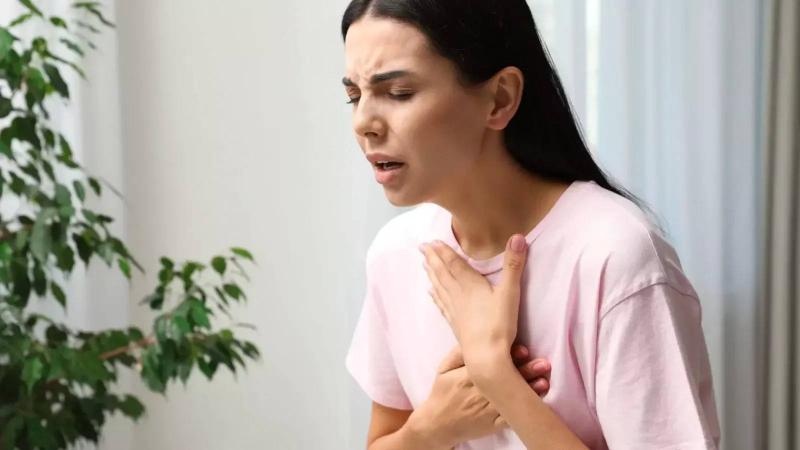
Shortness of breath is one of the most common physical symptoms among individuals experiencing anxiety or panic attacks. When the body faces stress, the autonomic nervous system activates, initiating what's known as the "fight or flight" response—a natural defense mechanism preparing the body to confront danger.
During this response, the brain releases stress hormones like adrenaline and cortisol, resulting in an increased heart rate and a faster, more shallow breathing pattern.
Why Does Anxiety Cause Shortness of Breath?
Under stress, the body increases breathing speed to supply more oxygen to muscles, preparing for any potential threat. However, when no real danger exists, this rapid breathing becomes what is known as hyperventilation.
Hyperventilation decreases carbon dioxide levels in the blood, leading to a range of uncomfortable symptoms such as:
- Feeling of suffocation.
- Inability to take a deep breath.
- Dizziness or lightheadedness.
- Numbness in hands and feet.
- Light-headedness.
- Tightness or heaviness in the chest.
Contrary to what one might think, these symptoms aren't caused by a lack of oxygen but by a temporary imbalance in the body's gas exchange.
Symptoms of Anxiety-Induced Shortness of Breath
The intensity of these symptoms can vary among individuals, but common signs include:
- Difficulty taking a deep breath.
- Feeling that the breath is incomplete.
- Rapid breathing without exertion.
- Feeling a lump or blockage in the throat.
- Heart palpitations.
- Sweating.
- Trembling.
- Tension in the chest and neck muscles.
- Feeling faint.
- Fear of choking or dying.
Moreover, these symptoms can suddenly appear during periods of stress, overthinking, or before significant events, even if the person is sitting or lying down.
How to Differentiate Between Psychological and Organic Shortness of Breath?
Feeling anxious when experiencing shortness of breath is natural, but distinguishing between psychological and physical causes helps in taking the right action.
First: Association with Physical Effort
Shortness of breath from anxiety typically occurs during rest, mental engagement, or during stressful situations, while physical shortness of breath increases during activities like brisk walking or stair climbing.
Second: Nature of Symptoms
Psychological shortness of breath usually comes with:
- A lump in the throat.
- Numbness in extremities.
- Muscle tension in the chest.
- Feelings of fear or panic.
In contrast, shortness of breath from heart or lung diseases may include other symptoms such as persistent cough, wheezing, leg swelling, or severe chest pain.
Third: Symptom Pattern
Psychological shortness of breath tends to occur in waves or episodes, then gradually disappears once the anxiety subsides or when distracted by something else. Organic causes often have continuous or worsening symptoms over time.
Fourth: Test Results
In most anxiety cases, blood oxygen levels, blood pressure, and heart and lung tests are normal. Nevertheless, a doctor may order certain tests to rule out other diseases, especially if shortness of breath occurs for the first time or comes with alarming symptoms.
When to Consult a Doctor?
While anxiety-related shortness of breath isn't dangerous in itself, some situations require immediate medical evaluation, such as:
- Severe, sudden shortness of breath.
- Intense chest pain.
- Blue lips or fingers.
- Fainting.
- Coughing up blood.
- Shortness of breath following injury or accident.
- Persisting symptoms despite rest.
Additionally, seek medical attention if these episodes become frequent enough to impact daily life or cause ongoing fear.
How to Cope with Anxiety-Induced Shortness of Breath?
Practice 4-7-8 Breathing
Inhale slowly through the nose for four seconds, hold the breath for seven seconds, and then exhale slowly through the mouth for eight seconds. This exercise helps calm the nervous system and slow down breathing.
Slow Your Breathing
If you notice fast breathing, gradually slow it down and focus on the movement of the abdomen instead of the chest, helping to rebalance carbon dioxide in the blood.
Redirect Your Focus
Engaging in a different activity can reduce the intensity of the episode, such as a calm walk, washing your face with cold water, or talking to someone you trust.
Practice Relaxation Techniques
Meditation, mindfulness, and progressive muscle relaxation exercises help reduce stress levels, consequently decreasing the frequency of shortness of breath episodes.
Ensure Sufficient Sleep and Reduce Stimulants
Good sleep and reducing caffeine and nicotine intake lower nervous system activity, decreasing the likelihood of anxiety symptoms arising.
Can Anxiety-Induced Shortness of Breath Be Treated?
Yes, in most cases, anxiety-induced shortness of breath improves when addressing the root cause, which can include cognitive behavioral therapy and stress management techniques. In some instances, a doctor may prescribe anti-anxiety or antidepressant medications if symptoms are recurrent or severe.
Moreover, regular exercise and a healthy lifestyle help reduce anxiety episodes and improve breathing quality.
In conclusion, stress and anxiety can alter breathing patterns and cause sensations of choking despite healthy hearts and lungs. Usually, these symptoms are temporary and improve as the body relaxes and anxiety is managed. However, severe or persistent shortness of breath should not be ignored, especially if accompanied by chest pain or unusual symptoms. Medical assessment remains the best way to rule out organic causes and receive appropriate treatment.
See Also
Causes of Back Pain