


Lebanon is gearing up for a significant round of negotiations in Rome on July 14th and 15th, seen as a crucial moment for demonstrating the state’s ability to implement the framework agreement in experimental zones. Current dynamics, internal divisions, and conflicting Israeli statements ranging from imminent withdrawal to delay tactics, highlight the multiple obstacles potentially hindering the Lebanese-Israeli agreement made in Washington.
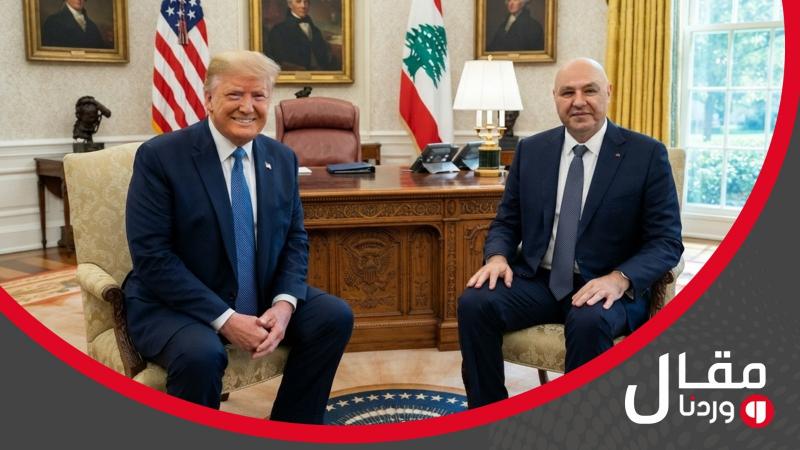
In the midst of these negotiations, President Michel Aoun's upcoming visit to the United States to meet President Donald Trump on July 21 is regarded as crucial in testing the 'experimental zones,' especially with hopes for American pressure on Israel to adhere to the agreement and start withdrawing from southern Lebanon. Aoun emphasized that the US represents Lebanon's last hope to halt military escalation and prevent the expansion of occupation.
Former Minister Fares Boueiz, in a commentary to the website "Our Source," noted that the significance of any visit lies in its substance and results, not merely its occurrence. He warned that without substantial changes to the framework agreement in President Aoun’s visit, it may prove meaningless. Changes should clarify Israel’s withdrawal beyond internationally recognized borders, ensure that experimental zones encompass more than just a couple of towns, and involve other parties in oversight beyond just the US and Israel.
Boueiz also expressed skepticism about American promises of support, urging that Lebanon should rely on its own expertise and history rather than external promises, especially given the unwavering US-Israeli alliance. He emphasized the need for continued negotiation to avoid perceptions of negativity and inflexibility, while not naively burning bridges or surrendering prematurely.
Finally, he highlighted challenges within Lebanon, pointing out that the Lebanese army's effective operation depends on national consensus around its role. The army’s past effectiveness was demonstrated only with clear national backing, indicating that its actions reflect broader societal divisions and influences.