


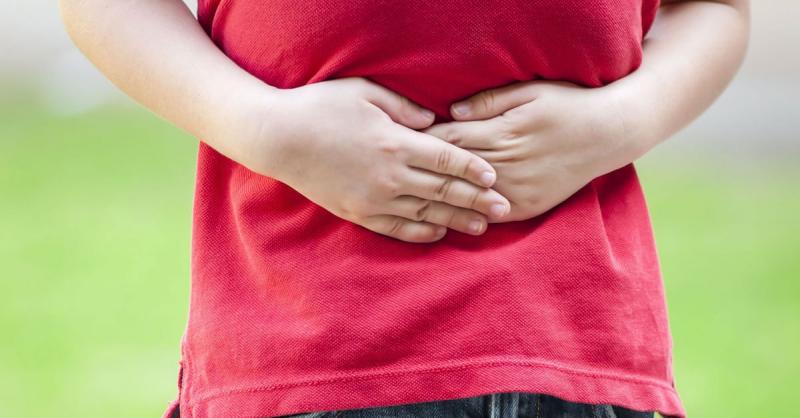
The causes of diarrhea in children are varied, depending on the child's age, health condition, and diet. Most cases are due to a minor viral infection that resolves within days, but some are linked to bacterial infections or chronic diseases that require medical evaluation.
Diarrhea is characterized by an increase in bowel movements, with loose or watery stools, leading to significant fluid and salt loss. This raises the risk of dehydration, especially in infants and young children.
How Does Diarrhea Occur in Children?
The normal digestive tract balances the absorption of water and salts in the intestines. Infections, inflammation, or food allergies disrupt this balance, hindering fluid absorption and resulting in frequent, watery stools.
The duration varies from acute cases lasting a few days to chronic cases extending for weeks.
Firstly: Infections as Common Causes

Viral Infections
Viruses like rotavirus and norovirus are common causes of acute diarrhea in children, spread easily through contaminated food, water, or contact with infected individuals, often accompanied by vomiting, fever, and abdominal pain.
Bacterial Infections
Diarrhea from bacterial infections can occur after consuming food or water contaminated with bacteria such as Salmonella, E. coli, Shigella, or Campylobacter, often accompanied by fever or blood in stools, requiring medical consultation.
Parasitic Infections
Parasites like Giardia and Cryptosporidium can cause prolonged diarrhea, especially from drinking unclean water or swimming in contaminated pools.
Secondly: Food Allergies and Intolerances
Food Allergies
Certain foods, such as cow's milk protein, eggs, wheat, and sometimes soy, can cause allergic reactions in the intestines, potentially leading to diarrhea, skin rashes, vomiting, or bloating.
Lactose Intolerance
Some children cannot digest lactose, the sugar in milk, leading to diarrhea, gas, bloating, and abdominal pain after dairy consumption.
Food Poisoning
Consuming spoiled or improperly stored foods can irritate the stomach and intestines, with diarrhea appearing hours after eating the contaminated food.
Medication Side Effects
Antibiotics may cause diarrhea by disrupting beneficial gut bacteria, but it often resolves after treatment or following medical advice.
Thirdly: Chronic Diseases and Digestive Disorders
Irritable Bowel Syndrome (IBS)
Older children may experience IBS, causing recurrent diarrhea or constipation, especially during stress or after certain foods.
Inflammatory Bowel Diseases
Conditions like Crohn's disease and ulcerative colitis often present with chronic diarrhea, weight loss, and abdominal pain.
Malabsorption Conditions
Some diseases prevent proper nutrient absorption, such as cystic fibrosis, celiac disease, or immune disorders, leading to chronic diarrhea and growth delays.
Surgical Conditions
In rare cases, diarrhea signals urgent conditions needing intervention, like appendicitis, intussusception, or bowel obstruction, especially with severe pain or persistent vomiting in children.
Symptoms Requiring Doctor Consultation
Seek medical advice if children display the following:
-Diarrhea lasting more than two or three days.
-High fever.
-Blood or large amounts of mucus in stools.
-Frequent vomiting.
-Refusal to drink fluids.
-Severe abdominal pain.
-Weight loss.
-Diarrhea in infants under six months.
Signs of Dehydration in Children
Dehydration is a severe complication of diarrhea, marked by:
-Dry mouth and lips.
-Reduced urination.
-Crying without tears.
-Lethargy or unusual sleepiness.
-Sunken eyes.
-Cold extremities.
If these signs appear, immediate medical attention is necessary.
Preventing Diarrhea
Reduce diarrhea risk by:
-Washing hands before meals and after bathroom use.
-Providing clean, safe drinking water.
-Thoroughly washing fruits and vegetables.
-Proper food storage.
-Following child vaccination schedules, notably the rotavirus vaccine.
-Avoiding undercooked foods for children.
Is Antibiotic Treatment Necessary?
Not always; most childhood diarrhea cases are viral and do not respond to antibiotics. Treatment focuses on fluid and salt replacement and proper nutrition, with antibiotics considered if the cause is bacterial.
In Conclusion, children's diarrhea arises from viral, bacterial, parasitic infections, food allergies, intolerances, and chronic diseases. Most children recover in days with fluid replenishment and rest. However, dehydration symptoms, prolonged diarrhea, or blood in stools necessitate immediate medical consultation to avoid complications and ensure appropriate treatment.
See Also
When Does a Child Start Walking?