


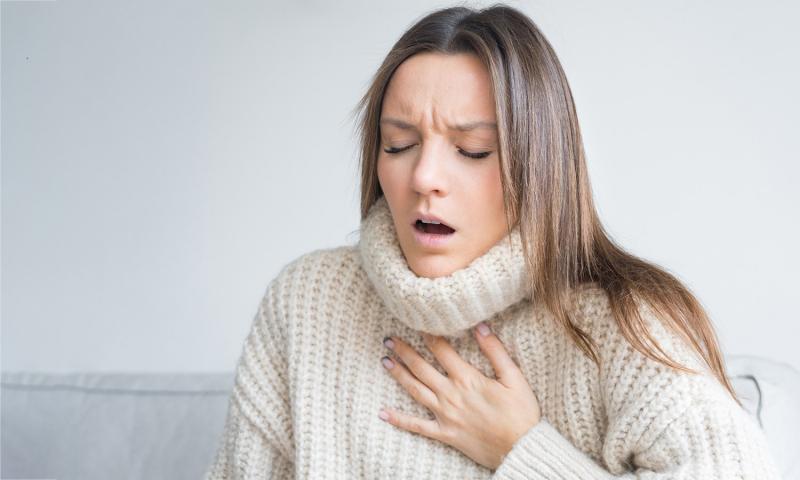
The causes of shortness of breath are varied, ranging from temporary conditions caused by intense physical exertion to signs of serious health problems requiring diagnosis and treatment. Shortness of breath, also known medically as dyspnea, occurs when an individual feels unable to get enough air or finds it difficult to breathe naturally.
Most cases of shortness of breath are linked to disorders affecting the respiratory or cardiovascular systems, which are critical for supplying the body with oxygen and removing carbon dioxide. Chronic diseases, psychological factors, and lifestyle choices can also result in varying degrees of this symptom.
How Does Shortness of Breath Occur?
Normal breathing relies on the collective functioning of the lungs, heart, and respiratory muscles. Any disruption within this system can make it challenging for the body to obtain oxygen or expel carbon dioxide, leading to the sensation of shortness of breath.
Symptoms can range based on the severity of the cause, from mild and temporary to sudden and severe, often requiring immediate medical attention.
Respiratory-Related Causes of Shortness of Breath

Asthma
Asthma causes airway constriction due to inflammation, making airflow difficult during allergic episodes, exercise, or smoke exposure. This is often accompanied by chest wheezing, coughing, and a feeling of suffocation.
Pneumonia
Pneumonia results from bacterial, viral, or fungal infections, causing alveoli to fill with fluid or pus. In addition to shortness of breath, symptoms include fever, cough, and chest pain.
Chronic Obstructive Pulmonary Disease (COPD)
COPD gradually reduces lung function and is common among smokers, progressively worsening shortness of breath even during simple daily activities.
Pulmonary Embolism
A pulmonary embolism occurs when a blood clot blocks an artery in the lungs, causing sudden shortness of breath, chest pain, and increased heart rate in a medical emergency.
Other Lung Diseases
Other causes may include:
-Pulmonary fibrosis.
-Pleural effusion (fluid buildup around the lungs).
-Pneumothorax.
-In some cases, lung cancer.
Heart-Related Causes of Shortness of Breath
Heart diseases contribute significantly to shortness of breath, particularly when blood pumping efficiency decreases.
Heart Failure
In heart failure, fluid accumulates in the lungs due to inefficient blood pumping, leading to shortness of breath, especially when lying down or exerting effort.
Heart Attack
Shortness of breath can be an early heart attack symptom, particularly for older adults, women, and diabetics, often accompanied by severe chest pain or pressure.
Arrhythmias
Irregular heart rhythms, whether fast or slow, reduce circulation efficiency, resulting in shortness of breath and fatigue.
General Causes of Shortness of Breath
Anxiety and Panic Attacks
Anxiety is a common non-organic cause, leading to rapid breathing and a suffocation feeling despite healthy heart and lung function, with symptoms improving by calming breathing and managing stress.
Anemia
Low hemoglobin levels decrease oxygen delivery to tissues, causing shortness of breath and fatigue even with minimal exertion.
Obesity
Obesity increases diaphragm and lung pressure, making breathing more difficult, particularly during movement or sleep.
Pregnancy
Many pregnant women experience shortness of breath due to hormonal changes, increased oxygen needs, and a growing uterus pressing on the diaphragm in advanced pregnancy stages.
Irritable Bowel Syndrome and Bloating
Severe bloating associated with IBS may push the diaphragm upward, causing temporary shortness of breath, especially after large meals.
Environmental and Lifestyle-Related Causes
External factors such as:
-Strenuous physical activity without preparation.
-High altitudes with low oxygen concentration.
-Inhaling cigarette smoke or chemical fumes.
-Exposure to air pollution or car exhaust.
-Severe allergies to certain substances or foods may also induce shortness of breath.

When to Seek Emergency Care?
Shortness of breath becomes a medical emergency if it appears suddenly or with symptoms like:
-Severe chest pain or pressure.
-Pain spreading to the arm, jaw, or back.
-Blue lips or fingertips.
-Swelling of the feet or ankles.
-Excessive sweating with nausea or dizziness.
-Loss of consciousness or fainting.
-Severe difficulty speaking due to air shortage.
In such cases, it is crucial to seek ambulance assistance or visit the nearest emergency department immediately.
How is Shortness of Breath Diagnosed?
Diagnosis relies on medical history and physical examination. Physicians may order tests like:
-Blood oxygen level measurement.
-Chest X-rays or CT scans.
-Electrocardiograms.
-Blood tests for anemia or infections.
-Pulmonary function tests.
-Echocardiograms if heart problems are suspected.
Can Shortness of Breath Be Prevented?
Reducing the risk of certain causes of shortness of breath is possible through:
-Quitting smoking.
-Regular exercise.
-Maintaining a healthy weight.
-Managing chronic diseases effectively.
-Minimizing exposure to air pollutants.
-Receiving recommended vaccines to prevent certain respiratory infections.
In conclusion, causes of shortness of breath range from simple issues like anxiety or physical exertion to serious heart or lung conditions requiring swift medical intervention.
Observing the nature, duration, and accompanying symptoms of shortness of breath helps gauge its severity. If the condition is severe, sudden, or accompanied by chest pain or blue lips, immediate medical attention is vital, as early diagnosis can be life-saving.