


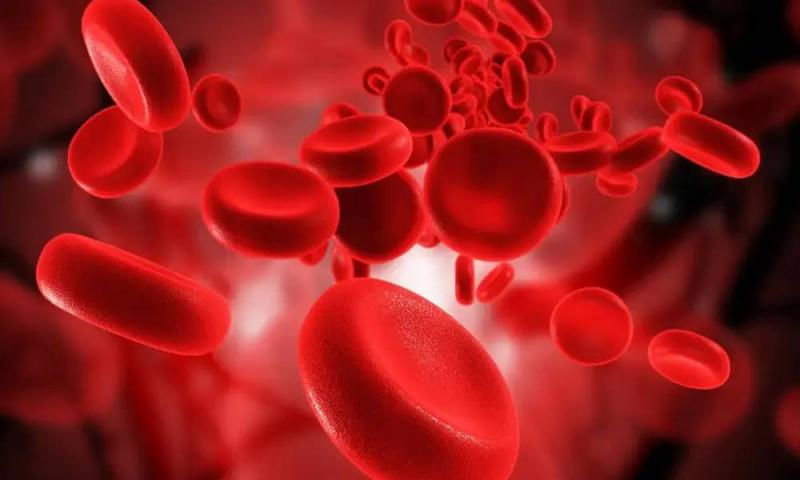
Shortness of breath is a common symptom among those suffering from anemia, particularly when hemoglobin levels drop to the point that they affect the blood's ability to transport oxygen to the body's organs.
When muscles and tissues do not receive the necessary oxygen, the body compensates by increasing the rate of breathing and heartbeats, causing difficulty in breathing, especially during physical activity.
What is Anemia?
Anemia is a medical condition marked by a decrease in the number of red blood cells or hemoglobin levels below normal. Hemoglobin is the protein responsible for oxygen transportation from the lungs to all body organs and returning carbon dioxide to the lungs for excretion.
When hemoglobin levels are low, the oxygen supply to tissues becomes insufficient, leading to a range of symptoms varying in severity depending on the type and cause of anemia.
How Does Anemia Cause Shortness of Breath?
Under normal conditions, blood efficiently delivers oxygen to the muscles, brain, heart, and other organs. With anemia, the oxygen-carrying capacity is diminished, leading to noticeable oxygen deficiency.
To counteract this deficit, the body attempts various compensatory mechanisms, including:
-Increasing breathing rate.
-Raising heart rate.
-Dilating blood vessels for better blood flow.
-Enhancing the workload on the heart and lungs.
As a result, patients may experience breathing difficulty, particularly when engaging in activities such as walking, climbing stairs, or exercising. Severe anemia might trigger shortness of breath even at rest.
Why Does Shortness of Breath Worsen with Exertion?
Physical activity increases the muscles' demand for oxygen to produce energy. In contrast, an anemic body struggles to meet this demand due to decreased hemoglobin, resulting in:
-Faster breathing.
-Quick onset of fatigue.
-Inability to sustain physical activity.
-Need to pause for breath.
This is why many anemia patients notice shortness of breath during exertion, which subsides gradually at rest.
Accompanying Symptoms of Anemia That May Occur with Shortness of Breath

Persistent Fatigue
Affected individuals often experience a significant drop in energy, even with adequate rest, due to oxygen insufficiency in muscles.
Pallor
Pale skin, lips, and eyelids are common signs of anemia, especially when hemoglobin drops significantly.
Heart Palpitations
The heart works harder to compensate for oxygen shortages, leading to noticeable palpitations.
Dizziness and Headaches
Oxygen deficiency in the brain can cause dizziness, headaches, and concentration issues.
Cold Extremities
Hands and feet may feel colder as blood circulation prioritizes vital organs.
Difficulties in Concentration
Some patients experience slow thinking or poor attention span due to insufficient brain oxygen supply.
What Causes Anemia?
Anemia has various causes, and treatment differs based on the underlying reason.
Iron Deficiency
Globally the most common cause, resulting from low iron intake, poor absorption, or chronic blood loss.
Vitamin B12 or Folic Acid Deficiency
Lack of these vitamins leads to the production of abnormal red blood cells that cannot function effectively.
Chronic Diseases
Chronic kidney diseases, immune disorders, and certain cancers can contribute to anemia.
Blood Loss
May result from heavy menstrual cycles, gastrointestinal bleeding, injuries, or surgeries.
Bone Marrow Disorders
In some instances, inadequate blood cell production from bone marrow contributes to anemia.
Who is Most at Risk for Anemia?
Certain groups are more susceptible to anemia, including:
-Women of childbearing age.
-Pregnant women.
-Children.
-Elderly individuals.
-People with poor nutrition.
-Chronic disease sufferers.
-Vegetarians lacking adequate vitamin B12 sources.
Treating Anemia Related to Shortness of Breath
Treatment focuses on the root cause, not just the symptoms.
Treating Iron Deficiency
Involves iron supplements, improved diet, and addressing any blood loss cause.
Treating Vitamin Deficiencies
B12 or folic acid supplements, or injections, are administered based on the case.
Chronic Disease Management
Controlling the underlying chronic condition can help restore hemoglobin levels.
Blood Transfusion
In severe cases with significant hemoglobin drop or serious symptoms, urgent blood transfusions might be necessary.
After initiating treatment, most patients report gradual improvement in shortness of breath as hemoglobin levels stabilize.

Top Foods That Help Prevent Anemia
Diet plays a crucial role in preventing iron-deficiency anemia.
Recommended food choices include:
-Red meat.
-Liver.
-Fish.
-Chicken.
-Lentils.
-Spinach.
-Eggs.
-Nuts.
-Iron-fortified cereals.
Moreover, consuming vitamin C-rich foods like oranges, lemons, kiwi, and strawberries enhances iron absorption, whereas tea and coffee are best avoided immediately after meals due to their potential to inhibit iron uptake.
When is Anemia-Induced Shortness of Breath Dangerous?
While breathlessness often improves with anemia treatment, certain situations necessitate urgent medical assessment.
These include:
-Severe breathlessness at rest.
-Chest pain.
-Loss of consciousness.
-Extreme heart palpitations.
-Blue-tinged lips or fingers.
-Noticeable or continuous bleeding.
In such cases, prompt emergency room visits are essential as these symptoms could signal severe anemia or another health issue requiring immediate intervention.
In conclusion, low hemoglobin levels reduce oxygen supply to body tissues, causing the respiratory and cardiovascular systems to work harder to compensate.
Early diagnosis, necessary assessments, and appropriate therapy contribute to symptom alleviation, preventing complications, and restoring normal activity levels and quality of life.
See Also
Top 10 Iron-Rich Foods