


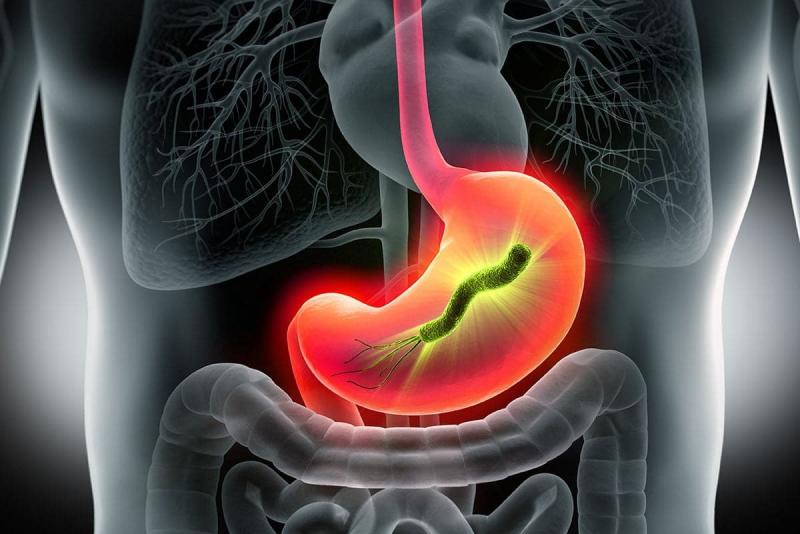
While Helicobacter pylori, commonly known as H. pylori, doesn't directly cause dizziness in most cases, it can lead to various health issues that affect the entire body and result in fatigue, dizziness, and general weakness.
Chronic inflammation of the stomach lining may impair the body's ability to absorb iron and vitamin B12, increasing the risk of anemia. Patients might also experience temporary low blood pressure or feelings of nausea and heaviness in the head, prompting them to seek explanations for these troubling symptoms.
What is H. pylori?
H. pylori is a type of bacteria that can thrive in the stomach lining, known for resisting the strong acids present. It's among the most common infections globally, affecting millions, many of whom exhibit no symptoms.
When symptoms do occur, they typically include stomach pain or burning, indigestion, bloating, frequent burping, nausea, and loss of appetite. In advanced cases, untreated, it can lead to stomach or duodenal ulcers.
How is H. pylori linked to dizziness?

First: Iron Deficiency Anemia
Iron deficiency is a common cause of dizziness in those with H. pylori. The bacteria can cause prolonged inflammation of the stomach lining, reducing iron absorption from food. Iron is essential for hemoglobin production which transports oxygen to body cells.
Low hemoglobin levels can cause:
- Frequent dizziness.
- Persistent fatigue and exhaustion.
- Pale skin.
- Shortness of breath with exertion.
- Rapid heartbeat.
- Poor concentration.
Studies suggest significant improvement in iron levels among patients post-eradication of H. pylori and appropriate treatment.
Second: Vitamin B12 Deficiency
Vitamin B12 is crucial for maintaining nerve health and producing red blood cells. Continued stomach inflammation may decrease production of factors needed to absorb this vitamin, leading to its deficiency.
Symptoms of B12 deficiency include:
- Feeling dizzy and off-balance.
- Tingling in hands and feet.
- Chronic fatigue.
- Poor memory and concentration.
- Tingling sensations in the extremities.
- Frequent headaches.
B12 deficiency symptoms may take months or even years to appear, making it difficult for some patients to associate them with H. pylori.
Third: Nausea's Impact on Balance
Nausea is common in H. pylori patients, especially after eating. Severe nausea can lead to temporary dizziness and instability, particularly if coupled with reduced food and fluid intake during the day.
Moreover, chronic inflammation-related appetite loss might cause low blood sugar, another dizziness contributor.
Fourth: Vagal Nerve Effects
Research suggests potential links between stomach inflammation and vagal nerve stimulation, one of the primary nerves connecting the brain and digestive system.
This stimulation may, in some cases, result in temporary drops in blood pressure or slow heart rates, causing dizziness. Yet, more studies are needed to confirm its direct effects.
When is dizziness a concern?
Generally, H. pylori-related dizziness is temporary and improves after addressing the underlying cause. However, some cases shouldn't be ignored.
Seek medical attention if dizziness accompanies:
- Fainting or loss of consciousness.
- Severe chest pain.
- Breathing difficulties.
- Bloody vomiting.
- Black stools.
- Rapid, unexplained weight loss.
- Persistent and severe palpitations.
Prolonged dizziness despite treatment necessitates further evaluation for other causes, like inner ear disorders, thyroid problems, or heart diseases.
How is H. pylori diagnosed?
H. pylori diagnosis involves several methods, with choices based on a patient's age and symptom severity.
Key tests include:
- Urea breath test.
- Stool antigen test.
- Blood tests in certain cases.
- Endoscopy with biopsy where needed.
Doctors may also request complete blood count (CBC) tests and iron and vitamin B12 level assessments if the patient reports chronic dizziness and fatigue.

Does dizziness resolve after H. pylori treatment?
In many cases, dizziness improves gradually post-H. pylori eradication, especially if linked to anemia or vitamin deficiencies. Treatment typically involves a combination of antibiotics and acid-reducing medications for a doctor-specified duration.
Doctors might also recommend iron or B12 supplements if tests confirm deficiencies. Adhering to a complete treatment plan is crucial as incomplete treatment can lead to reinfection.
Maintaining a balanced diet rich in iron, like red meats, spinach, and lentils, and sources of B12 such as fish, eggs, and dairy, is also advised.
Tips to Alleviate H. pylori Symptoms
Some daily habits can help reduce symptoms and improve quality of life during treatment. These include:
- Eating small, frequent meals.
- Drinking sufficient water.
- Avoiding spicy and fatty foods.
- Limiting sugary drinks and caffeine.
- Quitting smoking.
- Getting enough sleep.
- Engaging in moderate physical activity.
Avoid non-prescription anti-inflammatory painkillers without medical advice, as they may irritate the stomach lining further.
Can H. pylori be prevented?
Though infections can spread by various means, certain preventive measures can reduce risk. These include:
- Washing hands before meals.
- Ensuring clean drinking water.
- Thoroughly washing fruits and vegetables.
- Avoiding sharing utensils when infection is suspected.
- Eating from trustworthy sources.
Improved health habits not only guard against H. pylori but also promote overall digestive system health.
In conclusion, dizziness is often linked to complications from chronic infection, such as anemia, B12 deficiency, digestive disorders, and persistent nausea. Ignoring symptoms may worsen issues and delay H. pylori diagnosis.
See Also: