


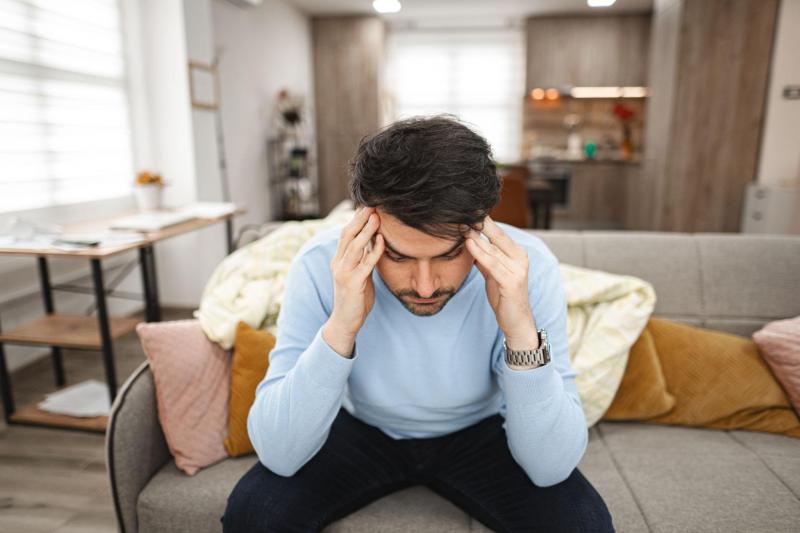
A headache is one of the most common health issues and can resolve within a few hours. However, it can impair one's ability to work, concentrate, and perform daily activities if it persists for several days. In many cases, headaches can be alleviated at home with healthy habits and natural remedies, especially if they are caused by stress, dehydration, or lack of sleep.
It's important to note that home treatment isn't suitable for all headache types. Continuous headaches can sometimes signal a health issue requiring medical evaluation. This article explores the best home remedies for headache relief, potential causes, and signs that warrant a doctor's visit.
Can Persistent Headaches Be Treated at Home?
The effectiveness of home treatment depends on the cause. If the headache is due to fatigue, tension, dehydration, or eye strain, home remedies may help alleviate the symptoms. Should headaches persist beyond a week or come with alarming symptoms, it is advisable to consult a doctor for a thorough evaluation.
Top Home Remedies for Persistent Headache Relief

1. Drink Sufficient Water
Dehydration is a common cause of headaches. Regular water intake throughout the day, especially in hot weather or after exercise, is recommended.
2. Get Adequate Sleep
Insufficient or irregular sleep can increase headache frequency. Aim for 7 to 9 hours of sleep daily, with consistent sleep and wake times.
3. Rest in a Quiet, Dark Room
If headaches come with light or noise sensitivity, lying in a quiet, dark room can help alleviate the pain, particularly for migraine sufferers.
4. Use Cold or Warm Compresses
Cold Compresses may help relieve migraines.
Warm Compresses might be more beneficial in cases of tension headaches or neck muscle tension. Apply a compress to the forehead or back of the neck for 10 to 15 minutes.
5. Reduce Stress
Psychological stress is a common headache trigger that can be reduced through:
- Deep breathing exercises
- Meditation
- Yoga
- Light walking
- Taking breaks during work
6. Reduce Screen Time
Prolonged phone or computer use can cause eye strain and trigger headaches. Take a 20-second break every 20 minutes and look at something distant.
7. Eat Regular Meals
Skipping meals may cause blood sugar levels to drop, leading to headaches. Ensure balanced meals at regular intervals.
8. Moderate Caffeine Intake
While small doses can help some individuals, excessive or abrupt cessation of caffeine can cause headaches. It's best to moderate coffee, tea, and energy drink consumption.
9. Massage the Head and Neck
Gentle massage of the scalp, neck, and shoulders may relieve muscle tension and boost circulation, particularly in tension headache cases.
10. Engage in Light Physical Activity
Walking or light stretching exercises can help reduce stress and improve blood flow, potentially reducing headache frequency for some people.
Foods That May Help Alleviate Headaches
Some foods can support the body and reduce headache episodes, including bananas, spinach, almonds, oatmeal, yogurt, avocados, fatty fish like salmon, unsalted nuts, legumes, and leafy greens.
Foods and Drinks That Might Exacerbate Headaches
Some people notice increased headaches after consuming:
- Alcoholic beverages
- Processed meats
- Very salty foods
- Fast food
- Highly sweetened drinks
- Excessive caffeine
When Home Remedies Aren't Sufficient
One should consult a doctor if:
- The headache lasts more than a week
- It is severe or worsens
- No relief is found with rest or pain relievers
- It is accompanied by fever or neck stiffness
- There is difficulty speaking or weakness in a limb
- Occurs after head injury
- Involves vision disturbances or loss of consciousness
Can Pain Relievers Be Used?
Over-the-counter pain relievers can help alleviate temporary headaches but should not be used frequently or daily without a doctor's advice, as overuse can lead to medication-overuse headaches.
Tips for Headache Prevention
- Drink enough water daily
- Get sufficient and regular sleep
- Exercise regularly
- Avoid stress as much as possible
- Don't skip meals
- Limit screen time
- Maintain correct sitting posture
- Track foods that may trigger headaches
In Conclusion, many cases of persistent headaches can be treated at home if the cause is simple, such as stress, dehydration, or lack of sleep, by resting, drinking water, and improving lifestyle habits. However, persistent headaches or those with unusual symptoms should prompt a visit to a doctor to determine the cause and appropriate treatment, avoiding reliance solely on home remedies.
See Also