


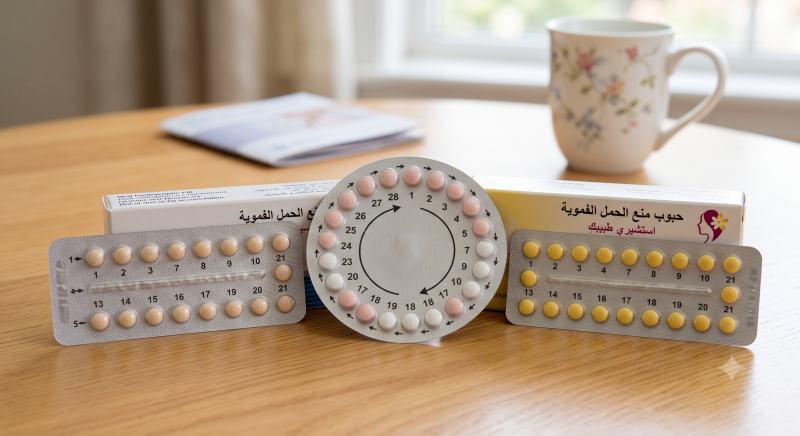
Birth control pills are among the most widely used family planning methods worldwide, available in two types: combined (estrogen and progestin) and progestin-only. Their side effects can vary from one woman to another, leading some to notice weight changes, while others experience no significant shift.
Scientific research indicates that combined oral contraceptives don't lead to significant or lasting weight gain in most women. However, some may cause fluid retention or increased appetite, temporarily affecting weight.
Do Any Pills Specifically Cause Weight Gain?
No specific birth control pills exist solely to cause weight gain, nor can it be generalized that a particular type will result in weight increase for all women. Nonetheless, some might see weight changes, especially in the initial months of use.
Commonly Used Birth Control Pills:
1. Yasmin
Contains hormones Drospirenone and Ethinyl Estradiol. Contrary to some beliefs, Drospirenone may help reduce fluid retention, making it less likely to cause weight gain.
2. Yaz
Has the same active ingredients as Yasmin but in different doses. Studies don't indicate it causes noticeable weight gain in most women, although responses vary individually.
3. Microgynon
Contains Levonorgestrel and Ethinyl Estradiol. Some users may notice slight changes in weight or appetite, but evidence for permanent weight gain is lacking.
4. Marvelon
Relies on Desogestrel and Ethinyl Estradiol. It’s a combined pill not shown to directly lead to weight increases.
5. Cerazette
Contains Desogestrel only and belongs to the progestin-only pills. Some women may experience changes in appetite or weight, but this isn’t universal.
Why Do Some Women Gain Weight?
If weight gain occurs when using birth control pills, possible reasons might include:
- Fluid retention in the first few months.
- Increased appetite.
- Lifestyle or activity changes.
- Aging.
- Other hormonal disorders unrelated to the pill.
Thus, linking weight gain solely to the pill can be misleading.
Do Other Contraceptives Cause Weight Gain?
Evidence suggests that some hormonal contraceptives, like the Medroxyprogesterone Acetate injection (DMPA), could be more associated with weight gain in some women than oral contraceptives, though individual responses vary.
What to Do if You Gain Weight After Taking the Pills?
If noticeable weight gain occurs after starting birth control pills, it is advisable to:
- Not discontinue the pills on your own.
- Consult a doctor to evaluate the cause.
- Discuss the possibility of switching pill types if necessary.
- Follow a balanced diet.
- Maintain regular physical activity.
Can You Change Your Birth Control Pill?
Yes, if side effects are troubling, a doctor might recommend changing the type of pill or choosing another contraceptive method that suits your health and needs. It's advised not to switch pills without medical advice, as each type has specific indications and contraindications depending on age, medical history, and risk factors.
See also:
Best Exercises for Pregnant WomenCalcium Deficiency Risks for Pregnant WomenIs Vitamin A Safe During Pregnancy?