


Uterine prolapse is a health issue that can significantly affect a woman's quality of life if not identified and treated promptly. This condition occurs when the muscles and ligaments supporting the pelvic organs weaken, causing the uterus to descend from its normal position towards the vagina in varying degrees.
In many instances, the symptoms may begin mildly and gradually worsen over time. Recognizing early signs enables swift intervention and prevention of potential complications.
What is Uterine Prolapse?
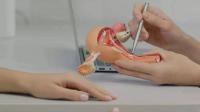
Uterine prolapse arises when the pelvic floor muscles lose their ability to adequately support the uterus, causing it to drop downwards. This prolapse can range from mild to severe.
In advanced cases, parts of the uterus can protrude outside the vaginal opening. Additionally, uterine prolapse may occur alongside the prolapse of other pelvic organs like the bladder or rectum.
Symptoms of Uterine Prolapse

Feeling of Heaviness or Pressure in the Pelvis
Sensing pelvic heaviness is one of the most common symptoms women experience with uterine prolapse. Many describe it as akin to sitting on a small ball or a constant pressure in the lower pelvis, worsening with prolonged standing or physical activity.
This sensation often improves with lying down or taking rest.
Protrusion of Tissue from the Vagina
In moderate to severe cases, females may notice a bulge or protruding tissue at the vaginal opening, often pink and smooth in texture, which may cause discomfort while walking or sitting.
The friction of protruding tissue against clothing can lead to skin irritation or mild bleeding in some instances.
Lower Back and Abdominal Pain
Uterine prolapse can result in pain or tension in the lower back or abdomen, which some women report worsening by day's end or after lifting heavy objects, yet improving when lying down. This sign can help distinguish uterine prolapse from other causes of back pain.
Urinary Disorders
Given the uterus' proximity to the bladder, its prolapse can impact urinary function.
Notable symptoms include:
- Urine leakage during coughing, laughing, or sneezing.
- Frequent urge to urinate.
- Difficulty emptying the bladder completely.
- Feeling of residual urine after urination.
These symptoms can increase the risk of recurrent urinary tract infections.
Constipation and Difficulty with Bowel Movements
Uterine prolapse may also affect the intestines, especially if accompanied by a posterior vaginal wall prolapse.
Digestive symptoms include:
- Chronic constipation.
- Difficulty passing stools.
- Incomplete bowel movement.
- Necessity to exert more force during defecation.
In advanced stages, some women may gently press on vaginal areas to aid bowel movements, warranting medical consultation.
Impact on Marital Relations
Uterine prolapse can affect marital life by causing:
- Pain or discomfort during intercourse.
- Sensation of vaginal tissue laxity.
- Reduced comfort and self-confidence.
However, not all women experience these symptoms, which vary based on the prolapse's severity.
Causes of Uterine Prolapse
Several factors amplify the risk of uterine prolapse, including:
- Repeated natural childbirths.
- Aging and reduced estrogen levels.
- Obesity and excessive weight.
- Chronic constipation.
- Chronic coughing.
- Frequent heavy lifting.
- Family history of the condition.
When to Consult a Doctor?
Medical consultation is advised if symptoms affect daily activities or noticeable vaginal tissue protrusion occurs, along with severe urinary or bowel difficulties, or persistent pelvic pain.
Can Uterine Prolapse be Treated?
Treatment depends on the prolapse's degree and symptom severity. In early stages, certain measures can improve the condition, such as:
- Performing Kegel exercises to strengthen pelvic floor muscles.
- Maintaining a healthy weight.
- Avoiding heavy lifting.
- Treating chronic constipation.
- Engaging in appropriate physical activities.
In more advanced cases, doctors might recommend supportive devices or surgical intervention when necessary.
In conclusion, uterine prolapse symptoms may begin subtle and mild, yet they can progress over time, impacting comfort and bodily functions. Thus, attention to early signs, like pelvic heaviness or urinary disorders, aids early diagnosis and improves treatment prospects.
See Also:
Causes of Hot Flashes in Women