



Acne is a common concern for those dealing with unexpected breakouts or recurring acne. Although treating acne usually requires time, effective steps can reduce swelling and redness within 24 hours, promoting faster skin recovery.
Success in treatment isn't solely tied to topical creams; it also involves daily skin care and avoiding habits that worsen inflammation or cause scarring. Combining quick treatments with the right routine yields the best short and long-term results.
Why Does Acne Appear?
Acne results from clogged pores due to oil and dead skin cells, allowing bacteria to multiply and cause inflammation, leading to pimples and blackheads or whiteheads.
Additionally, factors like hormonal changes, psychological stress, inappropriate cosmetics, certain medications, and genetic predispositions can increase the likelihood of acne.
How to Eliminate Acne Quickly Within 24 Hours
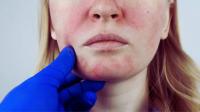
Apply Ice Packs
Wrap ice in a clean cloth and apply it to the pimple for 3 to 4 minutes. This method helps reduce swelling and inflammation and eases pain, especially in large inflamed pimples.
Use Topical Acne Treatment
Apply a direct treatment containing:
-Benzoyl Peroxide (2.5% to 5%) helps kill acne-causing bacteria.
-Salicylic Acid clears oils, cleans pores, reducing blockages.
Follow product instructions to avoid skin irritation, particularly for sensitive skin.
Use Acne Patches
Hydrocolloid pimple patches quickly address surface pimples, absorbing secretions, preventing contamination and touching, accelerating healing.
Daily Acne Treatment Routine
A proper skincare routine helps treat current pimples and reduces new breakouts.
Cleanse Skin Twice Daily
Wash face morning and night with gentle cleanser and lukewarm water; use salicylic acid cleanser for oily or acne-prone skin, avoiding harsh exfoliants or vigorous rubbing to prevent inflammation.
Use Suitable Moisturizer
Since some acne treatments can dry skin, it's crucial to use a light, non-comedogenic moisturizer to maintain the skin barrier and reduce irritation from topical treatments.
Don't Skip Sunscreen
Daily broad-spectrum sunscreen helps prevent acne-induced pigmentation, especially when using exfoliating creams.
Use Retinoid Creams at Night
Apply retinoid creams like adapalene or tretinoin sparingly at night, improving skin cell turnover, preventing pore blockage, and reducing future acne occurrences. Start gradually to minimize dryness and irritation.

Common Mistakes Delaying Acne Healing
Simple habits can worsen acne and increase scarring risks.
Popping Pimples
Pimple popping pushes bacteria and inflammation deeper, enlarging the pimple, delaying healing, and increasing scarring risk.
Using Unsuitable Home Remedies
Items like toothpaste, lemon, or vinegar can irritate skin or cause chemical burns, worsening the problem. Consider a diluted tea tree oil test for its antibacterial properties.
Touching Face Often
Frequent face-touching transfers bacteria and oils from hands to face, exacerbating inflammation and slowing recovery.
When to See a Dermatologist?
Consult a dermatologist if acne is severe, leaves scars, or doesn’t improve with topical treatments over weeks. Also, seek help for recurring cysts or painful pimples, which might need stronger medications or oral drugs.
In conclusion, effective acne management involves proper steps combining topical treatment and daily care. For the best results, avoid popping pimples, maintain a regular routine, and consult a dermatologist if the issue persists or is severe.
See Also
Reasons for Acne in Women