


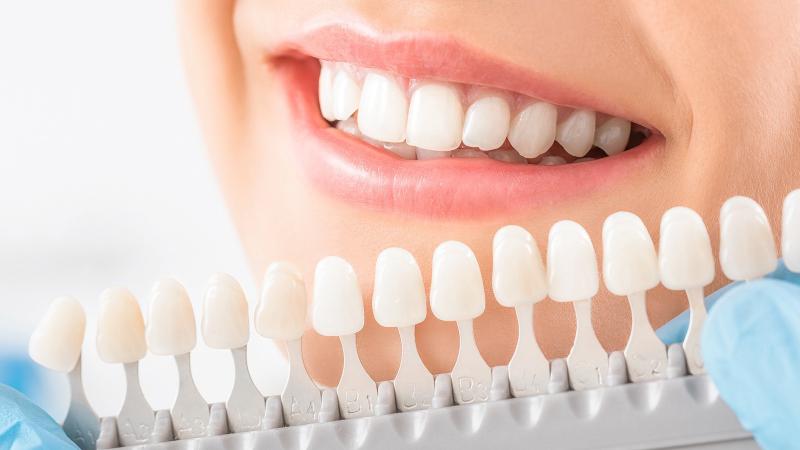
A bright smile is one of the most attractive features, boosting self-confidence. Many people are increasingly interested in finding safe and effective ways to whiten their teeth. Over time, teeth can become stained due to the consumption of coffee, tea, colored drinks, smoking, and aging.
Additionally, teeth whitening technologies have seen significant advancements in recent years, offering various options to meet different needs and budgets. While clinics offer quick and noticeable results, some home products can also help improve teeth color gradually and safely.
Why Do Teeth Discolor?
It's essential to understand the common reasons for yellowing teeth before exploring whitening methods. These include:
- Excessive coffee and tea drinking.
- Smoking and tobacco products.
- Aging.
- Certain medications and medical treatments.
- Poor oral hygiene.
- Plaque and tartar buildup.
Furthermore, the degree of staining varies from person to person, depending on dental nature and daily habits.
Teeth Whitening in the Dentist's Office
Laser or Light Whitening
In-office whitening is a popular cosmetic dental procedure. The dentist applies a high-concentration whitening gel to the teeth, then uses special light or lasers to activate the whitening agents and speed up the process.
Advantages of Laser Whitening
- Quick results in a single session.
- Significant teeth whitening.
- Direct medical supervision.
- Higher safety when properly applied.
Generally, the session lasts about an hour, and patients often notice a marked improvement right after treatment.
Custom Home Whitening Trays
This method is highly effective for maintaining long-term results. The dentist takes an exact impression of the teeth to create custom transparent trays fitting the mouth. A professional whitening gel is then used in the trays per the dentist's instructions for several days or weeks, depending on the situation.
Benefits of Custom Trays
- Even distribution of the whitening product.
- Gradual and natural results.
- Easy home use.
- Long-lasting results.
At-Home Teeth Whitening
In addition to professional treatments, several home products can help gradually improve teeth color.
Teeth Whitening Strips
Whitening strips are among the most common home products. These thin, transparent strips contain a whitening agent and are applied daily for a set period.
Features of Whitening Strips
- Easy to use.
- Available at pharmacies.
- Noticeable results within a few weeks.
- Less costly compared to clinic sessions.
However, outcomes vary based on product type and degree of existing stains.
Whitening Toothpastes
These toothpastes contain ingredients that help remove surface stains from food and drinks. However, it is essential to note that they do not change the internal color of the teeth but primarily clean the outer surface, making them a good option for maintaining results after professional whitening sessions.
Factors Affecting Whitening Results
Type of Stains
Stains from coffee, tea, and smoking typically respond better to treatment than some deep stains associated with medications or dental injuries.
Age
Teeth tend to lose some of their natural whiteness with age, which may affect the speed and degree of whitening response.
Dental Health
Cavities and gum diseases should be treated before starting any whitening procedure to ensure the best outcome.
Important Tips for Maintaining White Teeth
Reduce Colored Drinks
It is advisable to limit:
- Coffee.
- Tea.
- Dark sodas.
- Colored juices.
Additionally, drinking water after these beverages can help reduce staining opportunities.
Using a Straw
Known as the 'straw rule,' it helps limit colored drinks' contact with the tooth surface, especially after whitening sessions.
Regular Teeth Cleaning
Brush teeth twice daily, use dental floss, and mouthwash to maintain oral health and minimize plaque buildup.
Regular Dental Visits
Professional teeth cleaning helps remove stains and tartar, maintaining results longer.
How to Avoid Tooth Sensitivity During Whitening
Use Sensitive Toothpaste
Some toothpastes for sensitive teeth contain ingredients that help soothe nerves and reduce discomfort from whitening.
Follow Dentist's Instructions
Adhering to product usage duration and concentration reduces the chances of sensitivity or gum irritation.
Avoid Over-Whitening
Overusing products does not yield better results, and may cause irritation to teeth and gums over time.
Home Remedies to Avoid
Dentists warn against some online remedies that may cause more harm than good.
Lemon
Direct use of lemon can erode enamel due to its high acidity.
Rough Charcoal
Although popular on social media, excessive use can scratch the enamel layer.
Excessive Baking Soda
It can erode the outer surface of the teeth if used frequently or aggressively. Maintaining the enamel layer is crucial for dental health and natural color.
When to Consult a Dentist?
Consult a dentist if:
- Whitening products do not achieve the desired results.
- Severe or persistent sensitivity appears.
- Stains are deep or abnormal.
- There are gum or dental issues.
In conclusion, teeth whitening methods vary from professional clinic treatments to dedicated home whitening products, each with its own advantages and expected outcomes.
By choosing the right method and following daily care instructions, you can enjoy a brighter smile and maintain white teeth for a long period without damaging dental health or enamel.
See Also: Top Dental Clinics in Beirut
Top Filler and Botox Clinics in Beirut Top Dentists in Lebanon