


The quest for the best sugar alternatives has gained significant attention due to the growing awareness of the negative impacts of excessive sugar consumption. High sugar intake is linked to weight gain, elevated blood sugar levels, and an increased risk of chronic diseases.
Meanwhile, not all sweeteners offer the same benefits and uses. Some are entirely natural and derived from plants, while others are lab-created under strict health standards.
Why Are Many Turning to Sugar Alternatives?
Recent years have seen a marked increase in alternative sweetener consumption due to rising rates of obesity and diabetes worldwide. Coupled with the popularity of diets like keto and low-carb regimens.
Additionally, some sugar substitutes help in reducing daily calorie intake, and certain types do not cause significant spikes in blood sugar levels, making them suitable for specific groups upon consulting a doctor or nutritionist.
Calorie-Free Natural Sweeteners
Stevia
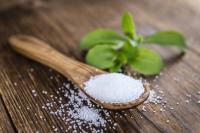
Derived from the leaves of the stevia plant, it is hundreds of times sweeter than regular sugar, requiring only small amounts for the desired sweetness.
Furthermore, it adds negligible calories and doesn’t cause major insulin spikes, making it a popular choice for hot and cold drinks and various food products.
Monk Fruit
This modern natural sweetener comes from a plant native to Asia, offering a sugary taste without the bitterness seen in some alternatives.
Rich in natural antioxidants and almost calorie-free, it is favored by those following keto and low-carb diets.
Allulose
A rare sugar type found naturally in small quantities in certain fruits like figs and raisins, it provides a similar texture and taste to white sugar.
It’s suitable for caramelizing, baking, and making desserts, with 90% fewer calories than traditional sugar, making it appealing to chefs and bakers.
Sugar Alcohols for Sweets
These represent a unique group of low-calorie natural carbohydrate-based sweeteners that are less fermentable in the mouth, reducing tooth decay risk.
Erythritol
Used widely in healthy dessert production, it has negligible calories and provides about 70% of the sweetness of white sugar.
It offers a similar consistency to sugar, making it ideal for chocolates, candies, and low-calorie drinks.
Xylitol
Nearly as sweet as white sugar but with fewer calories, it is frequently used in gums and toothpaste for its dental decay prevention properties. However, it is highly toxic to dogs, so it must be kept away from pets.
Nutrient-Rich Natural Alternatives
Date Paste or Powder
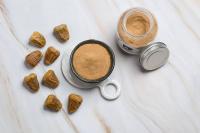
Dates are an excellent natural sugar alternative for many homemade recipes, especially cakes and baked goods. They also offer dietary fiber, potassium, iron, and antioxidants, providing higher nutritional value than refined white sugar.
Natural Honey
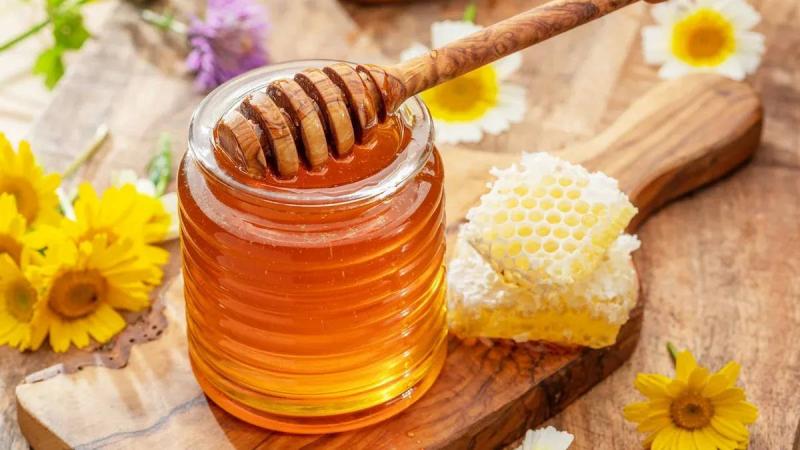
Containing vitamins, minerals, and plant-based antioxidants, the latter depending on the flower type, it remains a source of natural sugars. Moderation is advised, especially for those with diabetes or aiming for weight loss.
Maple Syrup
Renowned for its unique taste, it contains minerals like manganese and zinc along with antioxidants, commonly used in sweets and pastries. However, due to its calorie content, moderation is recommended.
Approved Artificial Sweeteners
Artificial sweeteners undergo rigorous scientific evaluations and regulatory approvals before being recommended for consumption. They are used sparingly due to their high sweetness levels.
Sucralose
Known commercially as "Splenda," it is stable at high temperatures, making it ideal for baking and cooking, delivering a taste close to traditional sugar with fewer calories.
Aspartame
Widely used in diet sodas and low-calorie food products but unsuitable for high-heat applications, it isn’t the best option for cooking or baking.
How to Choose the Right Alternative?
The choice of sweetener depends on the intended use, as each type varies in taste, application, and nutritional impact. For example, stevia and monk fruit are ideal for daily beverages, while allulose is excellent for baking due to its sugar-like properties.
Erythritol is suitable for low-calorie desserts, while some prefer honey or dates for added nutritional benefits with a mindful quantity.
Are Sugar Alternatives Safe?
Studies indicate that most approved sugar substitutes are safe within recommended daily limits.
Still, excessive consumption of sugar alcohols may cause digestive issues like bloating or gas. Some may favor natural sweeteners for taste or dietary reasons, while diabetics or those with specific health conditions should consult a doctor before regular use.
Finally, sugar alternatives have become an integral part of modern diets, offering diverse options to cater to various health and dietary needs. The best choice blends moderation with quality and personal nutritional goals, alongside a balanced diet rather than relying solely on a single component for optimal health.
See Also
Reasons Weight Isn't Dropping Despite Dieting