


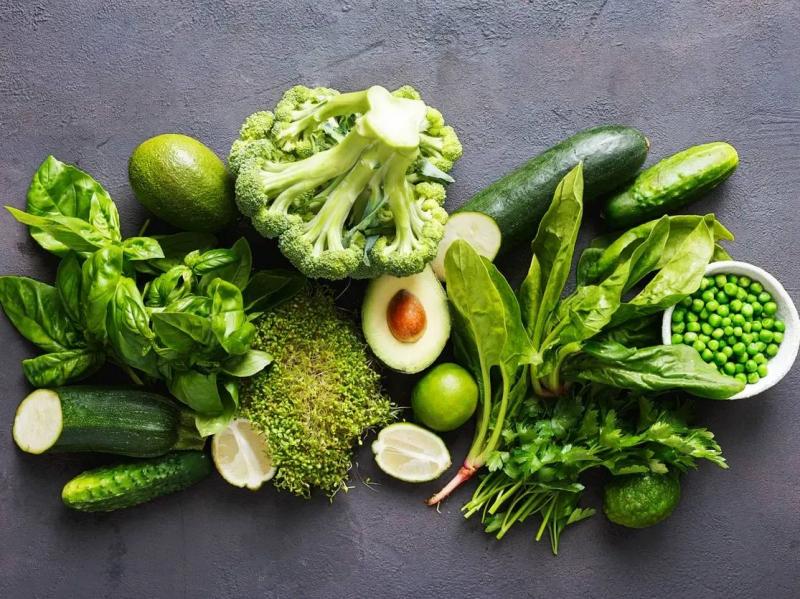
Vegetables are highly recommended by nutritionists for those looking to lose weight in a healthy and sustainable way. While no food can singularly burn fat, certain vegetables possess nutritional qualities that can enhance satiety, boost metabolism, and reduce daily caloric intake.
Additionally, these vegetables are rich in fiber, water, vitamins, and minerals that support digestive health and help the body maintain energy balance. As part of a balanced diet and physical activity, they can effectively aid in reaching a healthy weight.
How Do Vegetables Aid in Weight Loss?
Most vegetables are low in calorie density, allowing for larger consumption with fewer calories. Their dietary fiber slows digestion and increases satiety, reducing the desire for snacks and sugar-rich foods. Some vegetables contain phytochemicals that may indirectly support metabolism in a healthy diet.
Dark Leafy Greens
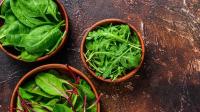
Spinach and Arugula
Spinach and arugula boast iron and magnesium, essential for body function and energy production. Spinach contains thylakoids, compounds that may increase satiety and reduce sugary food cravings. Additionally, they offer antioxidants that support overall health.
Kale
Kale is low in calories and high in dietary fiber, promoting satiety and digestive health. It contains vitamins A, C, and K, along with antioxidants that support health during weight loss programs.
Cruciferous Vegetables
Cruciferous vegetables are extensively studied for their health benefits, with beneficial phytochemicals.
Broccoli and Cauliflower
Broccoli and cauliflower are rich in fiber, vitamin C, and glucosinolates that support body functions. They enhance fullness with low calories, making them ideal for weight loss plans.
Cabbage
Cabbage is high in water and fiber, ideal for salads and healthy soups. Despite lacking scientific evidence for "negative calories," its low calorie-to-volume ratio helps reduce total calorie intake when replacing higher-energy foods.
Water-Rich Vegetables
These vegetables boost hydration and increase the feeling of fullness.
Asparagus
Asparagus is a good source of fiber, folate, and vitamin K, with high water content. It has a mild diuretic effect for some, reducing fluid retention and bloating without direct fat loss.
Cucumber
Composed of about 95% water, cucumber provides satiety with minimal calories, reducing high-calorie food consumption and aiding hydration.
Metabolism-Supporting Vegetables
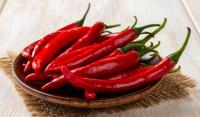
Chili Peppers
Chili peppers contain capsaicin, known to temporarily increase energy expenditure and heat production, though its effect on weight loss is limited and best combined with a balanced diet.
Bell Peppers
Bell peppers are excellent sources of vitamin C, essential for immunity and collagen production. Low in calories and high in fiber, they're suitable for weight management.
Mushrooms
Low in calories and high in protein and fiber, mushrooms enhance satiety. Replacing high-fat meats with mushrooms in meals can reduce total calorie intake.
Best Ways to Consume Vegetables for Weight Loss
The benefits depend not just on the type of vegetable but also on how it is prepared.
Recommendations include:
- Eating them raw or steamed to retain nutritional value.
- Grilling with moderate olive oil.
- Avoiding frying and excessive sugary or fatty sauces.
- Adding vegetables to most daily meals.
- Varying types for a wide range of vitamins and minerals.
- Consuming salads before main meals to increase satiety.
Are Vegetables Alone Enough for Fat Loss?
Despite their significant benefits, fat loss ultimately depends on maintaining a moderate calorie deficit, regular physical activity, adequate protein intake, and sound sleep.
Thus, vegetables are not "magic foods" for fat burning but are vital in a healthy diet supporting weight loss and long-term health.
In Conclusion, vegetables add great value to any weight loss-focused diet, combining low calorie density with high fiber and essential nutrients.
Incorporating spinach, arugula, broccoli, cauliflower, cucumber, peppers, mushrooms, and asparagus in a balanced diet with exercise can enhance fullness and support healthy, sustainable weight loss.
See Also
Best Sugar Alternatives