


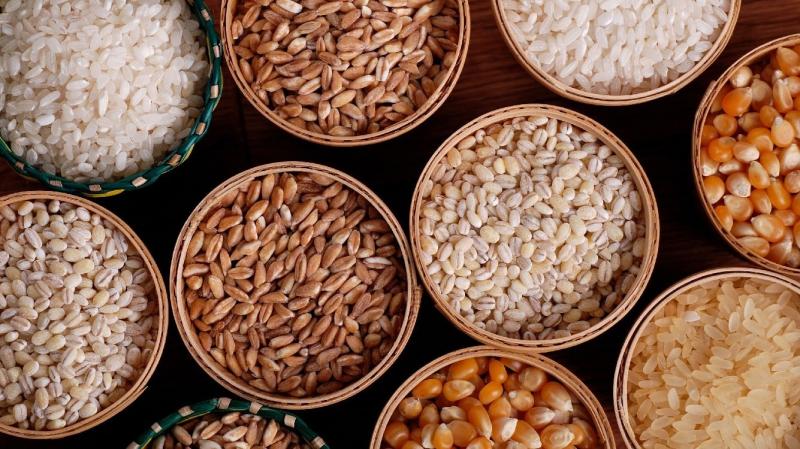
High-fiber foods are crucial to a healthy diet. They aid digestion, support heart health, help control weight, and regulate blood sugar levels. Although fiber isn't digested by the body, it plays a vital role in maintaining digestive health and prolonging feelings of fullness.
Dietary guidelines suggest adults should consume adequate fiber daily from varied natural sources like legumes, whole grains, fruits, vegetables, seeds, and nuts. Diversifying these sources ensures the full nutritional benefits are reaped.
What is Dietary Fiber?
Dietary fiber is a type of plant-based carbohydrate that the body cannot fully digest, divided into soluble and insoluble fibers.
Soluble fiber dissolves in water, helping to lower cholesterol and regulate blood sugar. Insoluble fiber increases stool bulk and promotes bowel movement, reducing constipation and maintaining colon health.
Benefits of Consuming High-Fiber Foods
Regular fiber consumption offers numerous health benefits such as:
- Enhancing digestive health.
- Reducing constipation risk.
- Increasing satiety and aiding weight control.
- Supporting heart health by lowering LDL cholesterol.
- Helping regulate blood sugar levels.
- Promoting the growth of beneficial gut bacteria.
- Reducing the risk of certain chronic diseases as part of a balanced diet.
Legumes: Richest Sources of Fiber
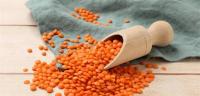
Lentils
A cup of cooked lentils contains about 15.5 grams of fiber alongside high protein, iron, and folate, making them an ideal choice for soups, salads, and main dishes.
Chickpeas
A cup of cooked chickpeas offers approximately 12.5 grams of fiber, along with plant protein, magnesium, and potassium, enhancing the feeling of fullness.
Black and White Beans
Cooked beans contain 13-15 grams of fiber per cup, along with plant protein and antioxidants, making them excellent for heart and digestive health.
Whole Grains
Whole grains provide excellent energy, fiber, and nutrients compared to refined grains.
Oats
A cup of cooked oats has about 4 grams of fiber and contains soluble beta-glucan fiber, shown to lower cholesterol and support heart health.
Quinoa
Cooked quinoa offers around 5 grams of fiber per cup and contains complete protein with all essential amino acids, making it a standout nutritional choice.
Freekeh and Bulgur
Traditional grains rich in fiber, freekeh and bulgur provide vitamins, minerals, and a healthy alternative to white rice.
Seeds and Nuts
Despite their small size, seeds and nuts are packed with fiber and healthy fats.
Chia Seeds
Chia seeds are one of the richest natural fiber sources, offering about 10 grams per ounce (around two tablespoons), plus omega-3 fatty acids and plant protein.
Flaxseeds
A tablespoon of ground flaxseeds provides about 3 grams of fiber and contains heart-healthy fatty acids and plant compounds.
Almonds
A small handful of almonds, roughly 23, contains about 3.5 grams of fiber, along with healthy unsaturated fats, vitamin E, and magnesium.
Fiber-Rich Fruits
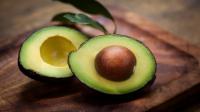
Avocados
A medium-sized avocado contains about 10 grams of fiber, plus monounsaturated fats that support heart health.
Blackberries and Blueberries
Berries are among the best fiber-rich fruits, with one cup of blackberries providing about 8 grams of fiber and a wealth of antioxidants.
Pears and Apples
A medium pear or apple with the skin provides 4.5 to 5.5 grams of fiber, so it’s best to eat them whole for maximum fiber intake.
Fiber-Rich Vegetables
Vegetables increase fiber intake while keeping calories low.
Broccoli
One cup of cooked broccoli contains about 5 grams of fiber, along with vitamin C, vitamin K, and a range of antioxidants.
Spinach
Spinach is a good fiber source, as well as providing iron, folate, and magnesium, making it a great addition to salads, smoothies, soups, and a variety of healthy dishes.
How to Increase Fiber Intake Healthily
To maximize the benefits of dietary fiber, follow these simple daily habits:
- Start your day with oats or whole-grain cereals.
- Add legumes to salads and soups.
- Eat whole fruits instead of juices.
- Include chia or flaxseeds in yogurt and smoothies.
- Replace refined grains with whole grains.
- Ensure vegetables accompany most meals.
Important Tip for Increasing Fiber
Despite its health benefits, a sudden increase in fiber can cause bloating, gas, or digestive issues for some people.
Thus, it's advisable to increase fiber intake gradually while ensuring sufficient daily water intake, as water helps fiber function effectively and maintains regular bowel movement.
In conclusion, high-fiber foods are foundational to a healthy, balanced diet. They support digestive and heart health, help in weight management, and improve blood sugar levels.
By incorporating legumes, whole grains, fruits, vegetables, seeds, and nuts into daily meals, you can effortlessly meet fiber needs and enjoy their long-term health benefits.
Also see:
Best Vegetables for Fat Burning