



Many individuals are eager to follow a fast diet to shed pounds quickly. However, extreme diets based on starvation or complete elimination of food groups often yield temporary results, with weight quickly returning once the diet is ceased.
In contrast, a sustainable rapid diet focuses on changing eating habits, organizing meals, and choosing foods that enhance satiety and maintain metabolic rate, rather than depriving the body of its essential needs. The real goal is not just weight loss but adopting a long-term sustainable eating style.
Why Traditional Fast Diets Fail

Some diets drastically reduce food intake, which may lead to:
- Reduced metabolic rate.
- Loss of muscle mass.
- Constant hunger and fatigue.
- Difficulty maintaining the diet.
- Weight regain after resuming normal eating.
Successful weight loss relies on a balanced regime adaptable to daily life.
The Smart Plate Rule for Weight Loss
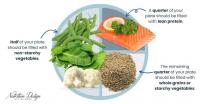
The Smart Plate Rule is a simple method to organize meals without precise calorie counting.
Main Plate Division:
- Half Plate: Vegetables (e.g., salads, grilled or cooked vegetables) enhance fullness due to fiber content and low-calorie count.
- Quarter Plate: Protein (e.g., chicken, fish, lean meats, eggs, tuna, legumes) aids muscle maintenance and fat burning.
- Quarter Plate: Healthy Carbohydrates (e.g., rice, boiled potatoes, whole grain bread, oatmeal) are selected in appropriate portions.
Intermittent Fasting as a Fast Diet Option
Intermittent fasting is a popular system that helps some reduce food intake and meal timing.
Popular Type: 16:8 System
- Consists of: Fasting for 16 hours, including sleep time, and eating within an 8-hour window.
During fasting, you can consume:
- Water.
- Unsweetened coffee.
- Unsweetened tea.
This regime isn’t suitable for everyone, especially those with health issues or pregnant and breastfeeding women. Consulting a specialist is recommended if any health issues exist.
Smart Tips for Fullness Without Deprivation
Applying the 80/20 Rule
Means:
- 80% healthy, nutritious food.
- 20% room for favorite foods in moderation.
This approach aids in maintaining the diet and avoids complete deprivation.
Opt for low-calorie, high-volume foods like:
- Air-popped popcorn.
- Fresh vegetables.
- Water-rich fruits.
- Light soups.
Eat slowly to allow fullness signals to reach the brain, reducing intake.
Daily Habits That Speed Up Weight Loss
- Drink adequate water: Enhances digestion, reduces false hunger, and supports body functions.
- Get good sleep: Poor sleep affects hunger and fullness hormones, increasing cravings for sugary, fatty foods.
- Increase daily movement: Doesn't need to start with strenuous exercise. Try daily walks, use stairs, and increase activity during chores.
- Include protein in meals: Helps maintain fullness longer and reduces unnecessary snacking.
Foods That Enhance Sustainable Diet Success
Consider these options:
- Diverse vegetables.
- Moderate fruits.
- Healthy proteins.
- Small amounts of nuts.
- Whole grains.
- Natural yogurt.
- Healthy fats like olive oil.
Common Mistakes Preventing Weight Loss
- Severe food restriction leading to extreme hunger.
- Unnecessarily eliminating carbohydrates.
- Relying solely on weight-loss drinks.
- Ignoring sugar content in beverages.
- Lack of sleep.
- Insufficient protein intake.
Conclusion
Sustainable fast dieting focuses on balance, not deprivation. Successful weight loss requires a maintainable regime rather than a temporary diet. By organizing meals, choosing satiating foods, improving daily habits, and increasing activity, achieving and maintaining a healthy weight is attainable.
Related Articles