



Timing intercourse is a crucial factor influencing the likelihood of pregnancy. Fertility is not constant throughout the menstrual cycle, making it important for couples planning to conceive to identify the fertility window for better chances.
Studies suggest that sperm can live inside a woman's reproductive system for three to five days, while an egg survives only about 24 hours post-ovulation. For this reason, engaging in intercourse just before ovulation, rather than after, is recommended.
What is the Best Time for Intercourse to Achieve Pregnancy?
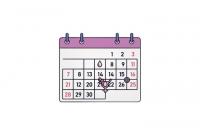
The best time for intercourse is during the fertility window, spanning about six days, including the five days before ovulation and the day of ovulation itself. The highest likelihood of conception is during the two days preceding ovulation and the day the egg is released.
When Does Ovulation Occur?
If the menstrual cycle is regular and lasts 28 days, ovulation often occurs on day 14. In this case, it's advised to engage in intercourse on days 11 through 14 for optimal pregnancy chances.
For irregular cycles, ovulation timing can vary monthly, hence utilizing fertility signs or home ovulation tests is preferred.
Signs of Approaching Ovulation
Key signs indicating impending ovulation include:
- Increased transparent, egg white-like cervical mucus.
- Mild pain on one side of the lower abdomen.
- Slightly elevated basal body temperature post-ovulation.
- A positive home ovulation test result 24 to 36 hours before ovulation.
How Frequently Should Intercourse Occur During Fertility?
Most doctors recommend intercourse every other day during the fertility window, promoting healthy sperm availability. Daily intercourse is an option if male fertility is not an issue, although it doesn't necessarily increase pregnancy chances compared to regular intercourse during the fertility window.
Tips for Increasing Pregnancy Chances
- Accurately determine the ovulation date.
- Maintain a healthy lifestyle with a balanced diet.
- Avoid smoking and alcohol.
- Reduce stress and psychological pressures.
- Avoid lubricants unless recommended by a doctor, as they may affect sperm motility.
- Resting for a few minutes post-intercourse may be comforting, though there's no strong evidence it enhances conception.
Common Misconceptions
Some believe certain intercourse positions guarantee conception, but scientific studies have not confirmed any superior positions. It's normal for some semen to leak post-intercourse, which doesn't signify fertilization failure.
When to Consult a Doctor?
If a woman under 35 hasn't conceived after a year of regular intercourse without contraception, or after six months if she is 35 or older, consulting a fertility specialist is advised to assess potential delays in conception.
Conclusion
The success of pregnancy heavily depends on timing intercourse appropriately. The days immediately preceding ovulation and the day of ovulation are optimal for enhancing fertilization chances. Monitoring fertility signs and adhering to a healthy lifestyle can significantly improve natural pregnancy odds.
See Also