



Among the most frequently asked questions by users is why is the internet slow in Lebanon. The internet has become an essential service indispensable for work, education, banking, and communication.
Despite the growth in reliance on digital applications and electronic platforms, the quality of connection in some areas still faces challenges that affect browsing speed and service stability.
The issue of slow internet in Lebanon is not due to a single cause but results from a combination of technical, economic, and administrative factors that have accumulated over the years.
The lack of network updates, electricity issues, and high infrastructure operation costs have all impacted the level of service provided to users.
Reasons for Slow Internet in Lebanon:
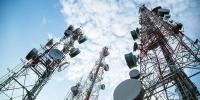
Weak Communication Infrastructure in Lebanon
Weak infrastructure is one of the main reasons for slow internet in Lebanon. Many areas rely on outdated networks that have not been updated quickly enough to meet the massive increase in data usage.
Traditional copper networks and old landlines affect connection quality, especially as the distance increases between the user and distribution centers. Some regions still lack widespread fiber optic service, which offers higher speeds and better stability.
Electricity Crisis and Its Impact on Internet Speed
The electricity issue directly contributes to poor internet performance in Lebanon. Telecom centers and network distribution stations require a stable power source to function efficiently.
During frequent power outages, some facilities rely on generators or alternative sources that may not always provide the same operational capacity, leading to reduced service quality or temporary disruptions.
The energy crisis also impacts network maintenance and modern equipment operations, making connectivity improvements challenging.
High Pressure on Internet Networks
With the rising number of users and the daily reliance on the internet by individuals and businesses, networks face increasing pressure, especially during peak hours.
This pressure intensifies when services consuming large amounts of data are used, such as:
- High-quality video streaming
- Online meetings
- Online gaming
- Large file downloads
- Using educational platforms and remote work
Increased usage in a specific area can lead to speed reductions for many subscribers, particularly in networks with insufficient capacity.

Limited Fiber Optic Deployment
Fiber optics is a primary solution for improving internet speed, yet it hasn't reached all areas of Lebanon evenly.
This technology provides greater data transmission capability compared to traditional lines, but its expansion requires significant investment in network extension and infrastructure upgrades.
Therefore, while some users in certain areas might enjoy better speeds, others suffer from slow connections due to reliance on older technologies.
High Operation Costs in the Telecommunications Sector
Economic conditions in Lebanon affect the telecommunications sector, where companies and service providers need funding for maintenance, updates, and equipment purchases.
High energy and equipment costs impact the sector's ability to advance networks quickly, reflecting on the quality of the final service to users.
Household Line and Device Issues
In some cases, the cause of slow internet isn't related to the public network but to issues within the home or workplace such as:
- Using an old router
- Weak Wi-Fi coverage at home
- Having many devices connected simultaneously
- Poor internet device placement
- Landline faults
It's essential to check the equipment used before attributing the issue to the service provider.
Distance and Line Quality Impact on Internet Speed
Some traditional internet services depend on copper lines, where speed is affected by the distance between the home and the service distribution center.
As the distance increases, signal quality may degrade, leading to slow connections or unstable actual speed compared to the advertised package speed.
See Also: