


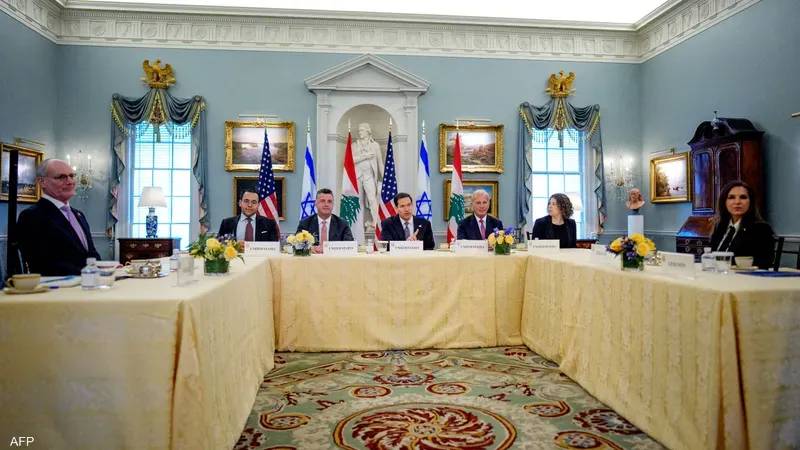
Representatives from Israel and Lebanon are set to hold a new round of direct talks in Rome on Tuesday, as clashes between Israel and the Iranian-backed Hezbollah militia continue.
The two countries had, at the end of June, agreed on a U.S.-mediated framework aimed at paving the way towards a final peace agreement. However, clashes with Hezbollah, which is not participating in the talks, have persisted sporadically.
Over the past weekend, the Israeli army launched one of its most intense waves of attacks on Lebanon since the ceasefire in June, according to Lebanese reports and eyewitness accounts.
According to Lebanese security and government sources, the Rome talks are expected to address Hezbollah’s extensive tunnel network, a key element in its military structure.
Retired Lebanese Brigadier General Khaled Hammada told the German news agency Deutsche Presse-Agentur (dpa) that the tunnel network significantly expanded after Israel withdrew from southern Lebanon in 2000, as Iran increased its investment in Hezbollah's military capabilities.
Israeli officials claim that these tunnels violate the spirit of the U.N. Security Council resolution that ended the 2006 war, which calls for southern Lebanon to be free of unauthorized armed groups and weapons outside state control.
Israeli officials also assert that Hezbollah intended to use some tunnels near the border for infiltrating northern Israel, though these allegations could not be independently verified.
In response, the Lebanese army has ramped up efforts to assert state authority in the south, dismantling weapons sites in coordination with international partners.
However, Lebanese officials admit that the full extent of Hezbollah's tunnel network remains unknown, and that identifying and dismantling the remaining portions could take years.