


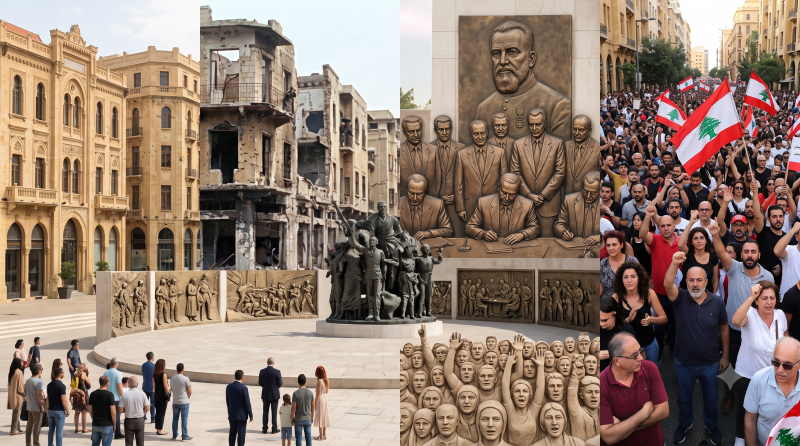
Over the last century, Lebanon has endured a series of political, security, and economic events that have left a profound impact on the state and society. Between milestones of independence, wars, and crises, the features of modern Lebanon were shaped, making understanding these events crucial to grasp the current Lebanese reality.
While there are numerous historical milestones, certain events have served as pivotal turning points, altering the country's course on political, social, and economic levels, with effects still felt in Lebanese life today.
Key Events That Changed Lebanon's History:
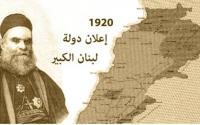
1. Declaration of Greater Lebanon (1920)
On September 1, 1920, French High Commissioner General Henri Gouraud proclaimed the establishment of Greater Lebanon from the Pine Palace in Beirut, laying the foundation for the modern geographical borders of Lebanon. This period witnessed the annexation of new areas into Mount Lebanon, forming the state in its current form before eventually declaring independence.
2. Lebanese Civil War (1975–1990)
The Lebanese Civil War is one of the most influential periods in the country's history, lasting approximately 15 years and resulting in substantial human and material losses, along with profound political and social changes. The war also led to economic decline and infrastructure damage, with repercussions lasting decades beyond its conclusion.
3. Taif Agreement (1989)
The Taif Agreement marked a turning point in Lebanon's political history, setting the framework for ending the civil war and re-organizing the political system. The agreement stipulated constitutional amendments and redistributed certain powers among authorities, remaining the cornerstone of Lebanon's political system today.
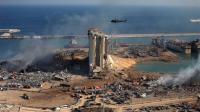
4. Beirut Port Explosion (2020)
On August 4, 2020, Lebanon witnessed one of the largest non-nuclear explosions in modern history with the massive blast at the Beirut port causing hundreds of casualties, thousands of injuries, and widespread damage across the capital. The explosion resulted in significant humanitarian, economic, and political repercussions, highlighting challenges in governance and administration in the country.
Why Are These Events Pivotal?
These milestones have contributed to shaping modern Lebanon in terms of its borders, political system, social composition, and economic trajectory, with their impacts still reflecting on Lebanese reality today.
FAQs
What is the most significant event in modern Lebanese history?
This varies from a historical perspective, but the Declaration of Greater Lebanon, the Civil War, the Taif Agreement, and the Beirut Explosion stand out as key milestones.
Why is the Taif Agreement important?
It helped terminate the civil war and laid down the foundations for Lebanon's contemporary political system.
Conclusion
Lebanon has witnessed many historical junctures, but four events have clearly changed Lebanon's history: the Declaration of Greater Lebanon, the Civil War, the Taif Agreement, and the Beirut Port Explosion, each leaving a notable imprint on the state's and society's history.
See Also:
Best Sushi Restaurants in Gemmayzeh