


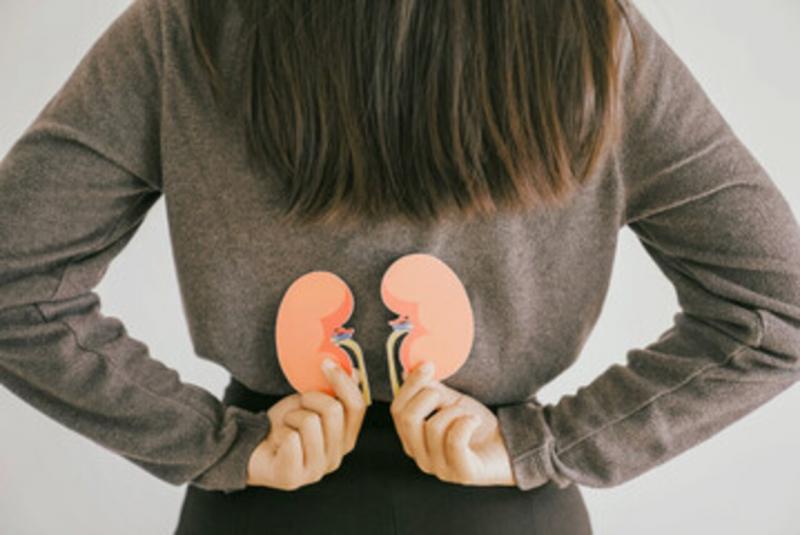
Urinary tract infections (UTIs) are among the most common bacterial infections, especially in women. However, they can also affect men, children, and the elderly. Symptoms are often mild initially but can worsen if not treated promptly.
Recognizing early signs can lead to proper diagnosis and timely treatment, preventing complications that might affect the kidneys or urinary system.
What is a Urinary Tract Infection?
A UTI occurs when an infection affects parts of the urinary system, such as the bladder, urethra, ureters, or kidneys. Bacteria entering and multiplying in the urinary tract typically cause it.
Symptoms vary in severity depending on the infection location, with bladder infections being less severe than kidney infections, which need urgent medical attention.
Common Symptoms of a UTI

Burning Sensation During Urination
Feeling a burn or sting while urinating is a common sign, initially mild but often worsening.
Urgency to Urinate
An intense, sudden need to urinate, regardless of urine quantity, often makes delaying the bathroom visit difficult.
Frequent Urination
You might notice increased bathroom trips, with less urine each time.
Change in Urine Color
Urine might appear cloudy or dark due to inflammatory cells or impurities.
Strong Urine Odor
A noticeable change in urine odor, becoming stronger or more pungent, is common.
Presence of Blood in Urine
Urine may appear pink, red, or dark brown, indicating potential bleeding from bladder lining inflammation, prompting a doctor's evaluation.
Pain in Lower Abdomen or Pelvis
Some women experience pressure or pain in the lower abdomen or pelvis, especially with a full bladder.
When to See a Doctor Immediately
If the infection spreads to the kidneys, it becomes more dangerous. Symptoms warranting urgent medical care include:
-Severe pain in the flank or back, usually on one side below the ribs, potentially intense and persistent.
-Fever and chills indicate possible kidney infection.
-Nausea or vomiting may signal a kidney infection, accompanied by fatigue and appetite loss.
Who is More Susceptible?
While anyone can get a UTI, certain groups are more prone, including:
-Women.
-Pregnant women.
-Elderly individuals.
-Diabetics.
-Individuals with kidney stones.
-Users of urinary catheters.
-Those with weakened immunity.
Belonging to one of these groups doesn't guarantee infection but increases the likelihood.
How is a UTI Diagnosed?
Symptoms alone can't confirm a UTI as other conditions might mimic them; thus, doctors rely on tests.
Urine Analysis
The first standard test detects bacteria, white blood cells, red blood cells, protein, and inflammation markers, providing quick results for immediate treatment.
Urine Culture
In severe or recurrent infections, a urine culture identifies the specific bacteria, guiding effective antibiotic selection.
Causes of a UTI
Most UTIs result from bacteria entering the urinary system. Factors increasing infection risk include:
-Not drinking enough water.
-Holding urine too long.
-Weakened immunity.
-Pregnancy.
-Certain contraceptives.
-Kidney stones.
-Diabetes.
-Poor personal hygiene.
Recurrence may occur if underlying causes aren’t treated.
Treatment for a UTI
Treatment depends on infection severity and test results, often involving:
-Doctor-prescribed antibiotics.
-Adequate water intake.
-Avoiding holding urine.
-Sufficient rest.
Avoid self-medicating with antibiotics to prevent bacterial resistance.

Preventing UTIs
Healthy habits reduce infection risk or recurrence, such as:
-Daily adequate water intake.
-Prompt urination when needed.
-Maintaining personal hygiene.
-Urinating after intercourse.
-Wearing cotton underwear.
-Avoid irritating products in sensitive areas.
Consult a doctor if infections recur frequently.
When to Consult a Doctor?
Seek medical attention if:
-Symptoms persist beyond a day or two.
-Clear blood is present in urine.
-Fever occurs.
-Severe flank pain is felt.
-Nausea or vomiting occurs.
-Pregnant with UTI symptoms.
-Repeated infections occur.
Early diagnosis and appropriate treatment prevent kidney infection and complications.
Can a UTI Resolve on Its Own?
Some mild cases might improve independently, but relying on this is risky as untreated infections might spread to kidneys. Testing and following medical advice is safer, especially with persistent or severe symptoms.
In conclusion, common indications of a UTI include burning during urination, frequent bathroom visits, and urine color or odor changes accompanied by lower abdomen pain. Presence of fever, flank pain, or nausea suggests possible kidney infection, necessitating urgent medical evaluation.
Urine analysis confirms diagnosis, and urine culture identifies bacteria for appropriate treatment. Early diagnosis and compliance with treatment facilitate quick recovery and reduce complication risks.
Related Articles:
Causes of Vaginal Discharge