


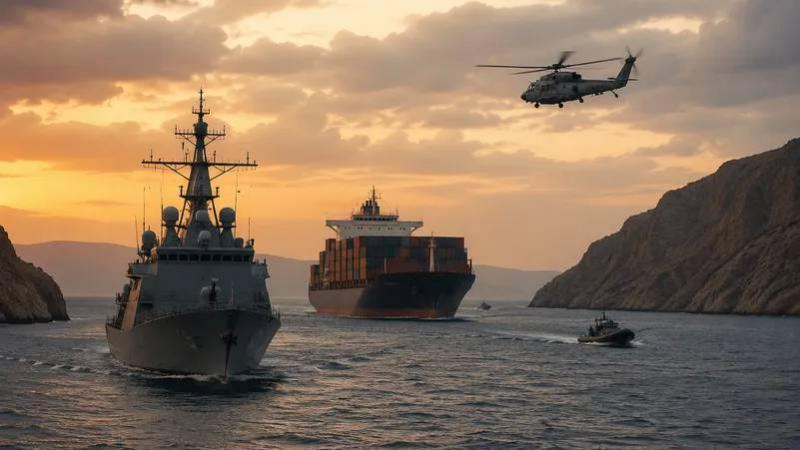
A U.S. military intelligence assessment indicates that Iran's strategic priority has shifted from its nuclear program to controlling the Strait of Hormuz, according to U.S. officials familiar with the report.
NBC News reported that officials have concluded Iran now considers the strait a more powerful and effective leverage compared to its nuclear ambitions, especially following past strikes on its nuclear installations.
Military officials informed President Donald Trump that any U.S. military operation to gain full control of the strait would be lengthy, costly, and bloody, with no guaranteed success. According to one official, plans for such an operation project significant casualties among U.S. forces, which has been a key factor in Trump's discussions with his advisors regarding the next steps towards Iran.
Three European and two Gulf Arab officials agreed with the assessment, highlighting that attempting to open the strait by force would be risky and could expose U.S. warships to cruise missiles or drone strikes, potentially raising oil prices further without ensuring a clear victory.
The Trump administration responded, stating that the Strait of Hormuz is 'completely under U.S. Navy control, and nothing goes to Iran without our say-so'. The official added that the strait is an international waterway and not controlled by any party, ensuring that any temporary corridors would be free of tolls or approvals.
Earlier, Trump declared that the U.S. Navy controls the strait, describing the blockade as an 'impenetrable steel wall'.
Navigation through the strait has drastically reduced compared to pre-war levels, with only 17 ships passing over the weekend, down from about 100 daily, which previously accounted for roughly 20% of global oil and gas shipments.
Iran continues to insist on reopening the strait, demanding a permanent end to the war, the withdrawal of U.S. forces from the region, an end to the naval blockade, the unconditional release of frozen Iranian assets, and compensation for war damages. Trump has rejected these demands, asserting that Iran should bear the costs of damages to U.S. forces and assets.
Tensions remain high in the strait, with Iran firing upon ships and U.S. forces intercepting missiles and drones, amid growing concerns over the sustainability of U.S. interceptor missile stocks.
This assessment emerges amid ongoing diplomatic deadlock, with persistent global economic impacts from rising fuel and commodity prices.