


Throughout its history, Lebanon has witnessed a series of disasters and crises ranging from earthquakes, famines, wars, explosions, to economic turmoil. These events have not only caused direct human casualties but have also impacted the economy, infrastructure, demographics, migration, and social stability.
The nature of these disasters varies between historical events that occurred centuries ago and modern crises, some of which still have lingering effects today. Below are the top 5 disasters that have left a deep impact on Lebanon's history, ranked according to the magnitude of the losses and the extent of their impact.
The 5 Biggest Disasters in Lebanon's History and Their Impact
1. The Great Beirut Earthquake of 551 AD
The Beirut Earthquake of 551 AD is one of the most famous natural disasters in the history of the ancient Lebanese coast. The earthquake struck the region during the Byzantine era and was accompanied by massive sea waves believed to have caused widespread destruction in coastal cities.
The earthquake significantly affected Beirut and other parts of the eastern Mediterranean coast. Historic buildings and important structures were damaged, including the renowned Roman law school in Beirut, a prominent center for legal studies in the ancient world.
Historical sources report a large number of victims, but estimates of the death toll vary significantly among sources, making it difficult to determine an exact figure using modern historical standards.
Impact on Beirut
The destruction was not limited to buildings; the disaster also affected the city's commercial and urban activities. At the time, Beirut was an important center for trade, education, and law, and the disaster had a major impact on its regional status.
2. The Great Famine of Mount Lebanon 1915–1918
The Great Famine of Mount Lebanon is one of the most severe human tragedies in modern Lebanese history. It occurred during World War I, exacerbated by several factors, including the naval blockade, confiscation of food supplies, locust infestations, and harsh economic and political conditions.
The famine led to the death of large numbers of the population due to hunger, disease, and malnutrition, with its effects particularly severe in Mount Lebanon.
Migration and Societal Change
The impact of the famine extended beyond human losses, prompting many Lebanese to emigrate in search of food, work, and safety.
This emigration contributed to the spread of Lebanese communities in various countries worldwide and left long-lasting demographic, social, and economic impacts.
3. The Lebanese Civil War 1975–1990
The Lebanese Civil War is one of the bloodiest and most impactful phases in modern Lebanon. It began in 1975 and lasted until 1990, with political, sectarian, regional, and international factors intertwining.
During the war, Lebanon witnessed widespread armed confrontations, mass displacement, and extensive destruction of homes, institutions, and infrastructure.
Massive Human and Economic Losses
Estimates of war casualties vary, but around 150,000 people are believed to have died, with hundreds of thousands injured and displaced.
The war also triggered significant emigration out of Lebanon, greatly affecting the economy, investment, education, and social life.
The Missing Persons Dossier
One of the most complex humanitarian issues left by the war is the case of missing and forcibly disappeared individuals. Many Lebanese families still seek information about the fate of relatives lost during the war.
4. Beirut Port Explosion on August 4, 2020
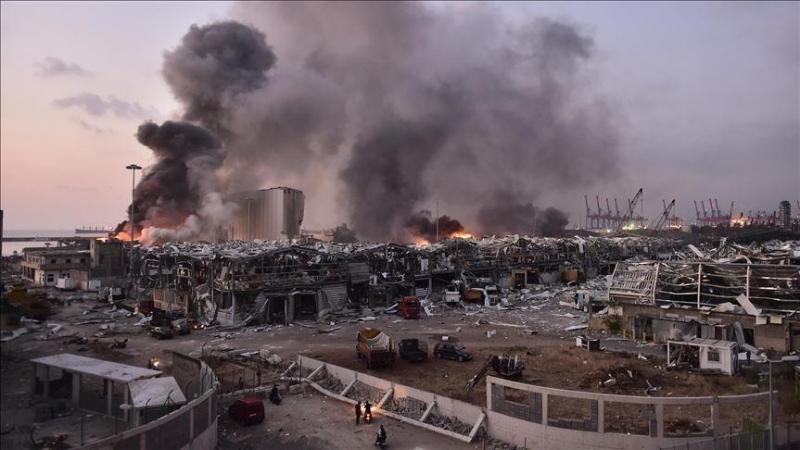
The Beirut Port Explosion ranks among the largest non-nuclear disasters in modern Lebanon.
The explosion occurred on August 4, 2020, following a fire at the port area, detonating dangerous substances stored there, including a significant amount of ammonium nitrate.
The blast killed over 200 people and injured thousands more, causing extensive damage in the neighborhoods near the port.
Enormous Damage in the Capital
Thousands of buildings, homes, and institutions were damaged, leaving many residents displaced or temporarily homeless.
The explosion also inflicted massive economic damage, exacerbating Lebanon's already severe financial and economic crisis, making recovery even more challenging.
Profound Psychological and Social Impact
Beyond material and human losses, the explosion left a deep psychological impact on the residents of Beirut and the surrounding areas. The date, August 4, has since become a significant marker in the collective Lebanese memory.
5. The Economic and Financial Crisis Since 2019

The Lebanese economic and financial crisis is one of the most dangerous crises Lebanon has faced in modern history due to its prolonged effects.
The crisis became apparent in 2019 as financial and banking imbalances worsened, confidence in the financial system plummeted, followed by a significant currency devaluation, rising inflation, and falling purchasing power.
Purchasing Power Collapse
The currency's devaluation led to a sharp rise in the prices of goods and services relative to the income of most families, with salaries and wages losing much of their real value.
Various economic sectors were affected by the crisis, including banking, trade, real estate, industry, tourism, and services.
Emigration of Skilled Workers
One of the most significant social outcomes of the economic crisis is the increased emigration, particularly among young people and professionals in medical, engineering, technological, and academic fields.
The emigration of skilled workers raises concerns about the future of Lebanon's labor market and economy amidst ongoing financial and living challenges.
How Have These Disasters Shaped Lebanon?
The nature of these events varies, yet their impacts extend beyond the moments they occurred.
Earthquakes and natural disasters affected cities and urban infrastructure, while famine left significant demographic impacts. The civil war reshaped political and social life, leading to widespread displacement and emigration.
In recent decades, the Beirut Port Explosion and the economic crisis have introduced new challenges to Lebanese society, especially as the explosion occurred during an already deep economic crisis.
Can Lebanese Disasters Be Ranked by Death Toll?
It is difficult to accurately rank all these disasters by death toll alone because historical data on ancient incidents is imprecise, and estimates of human losses differ between sources.
Thus, evaluating the severity of disasters requires considering the duration of the event, the scale of destruction, economic and social impacts, displacement, migration, and continued results to the present.
By these criteria, the civil war, the Great Famine, and the economic crisis are among the most impactful events on Lebanese society, while the 551 earthquake and the Beirut Port Explosion represent some of the most sudden and destructive disasters.
Lessons from Lebanon's History of Disasters
Lebanese experiences underscore the importance of disaster preparedness, enhancing oversight of hazardous facilities, and developing robust emergency systems and rapid response strategies.
They also emphasize protecting food security, advancing infrastructure, and implementing clear plans for managing economic and natural crises, alongside documenting historical events and preserving the memory of victims and affected individuals.
The ability to learn from past disasters remains one of the most crucial methods for mitigating future disaster impacts, especially in a country that has faced multiple and overlapping crises throughout its extensive history.
Conclusion
The biggest disasters in Lebanon's history have left profound marks on its people, economy, and society. From the ancient Beirut earthquake and the Great Famine to the civil war, Beirut Port Explosion, and the economic crisis, Lebanon has endured challenging periods that have reshaped many aspects of its life.
Despite the different causes of these disasters, their shared impacts highlight the importance of preparedness, crisis management, and the protection of both populations and infrastructure. Moreover, documenting history and learning from past experiences are vital in building a safer and more stable future.