


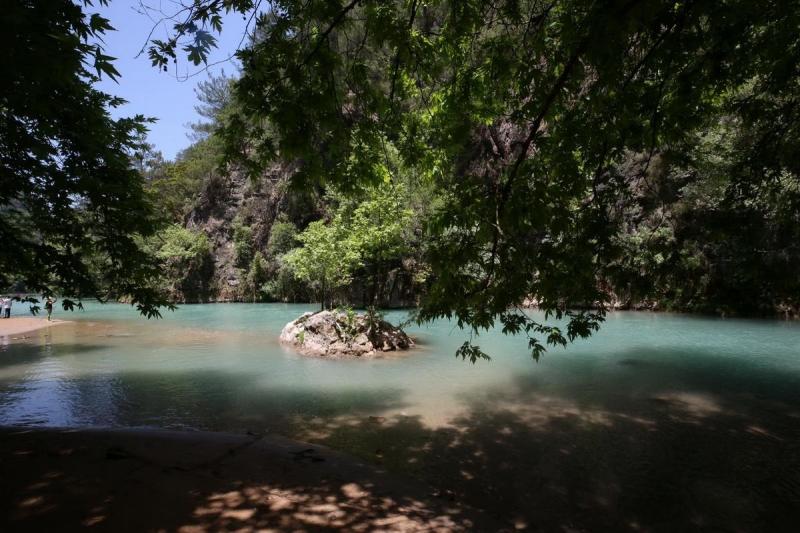
Natural reserves in Lebanon are prime destinations for nature enthusiasts and adventurers. Stretching from high mountainous regions and dense forests to beaches, islands, and wetlands, Lebanon, despite its small size, boasts significant ecological diversity. Visiting these reserves offers an experience that balances relaxation with exploration and engagement with wildlife.
The importance of these areas transcends eco-tourism. Reserves play a crucial role in protecting plant and animal species, preserving forests and natural habitats. Many are favorites for hiking, photography, and bird watching, especially during spring and autumn.
Top Natural Reserves in Lebanon
1. Shouf Cedar Nature Reserve
The Shouf Cedar Nature Reserve is one of the most prominent reserves in Lebanon, covering the western slopes of the Lebanese mountains. It is renowned for its cedar forests in Barouk, Maaser, and Ain Zhalta, along with its expansive mountain views.
The reserve boasts rich biodiversity and offers numerous trails for hiking and nature exploration. Visitors can enjoy panoramic views and learn about the cedar tree's significance, a national symbol of Lebanon.
The reserve is an excellent choice for families, photographers, and hiking enthusiasts, with a strong emphasis on adhering to environmental protection guidelines during visits.
2. Jabal Moussa Biosphere Reserve
Located in the Keserwan and Jbeil regions, the Jabal Moussa Biosphere Reserve combines mountainous nature, biodiversity, and historical sites.
The reserve features hiking trails that traverse forests, slopes, and natural areas, making it a preferred destination for hiking and adventure lovers.
It also hosts historical sites and villages near its trails, allowing visitors to enjoy nature and local heritage.
3. Horsh Ehden Nature Reserve
Situated in north Lebanon, the Horsh Ehden Nature Reserve is noted for its dense forests and rich biodiversity.
The reserve includes rare trees and plants and serves as a habitat for various bird and wildlife species.
The area is among the most beautiful natural destinations in north Lebanon, especially in spring when forests are lush with plants and flowers, and in summer when mountain temperatures provide ideal conditions for walking and exploring.
4. Tannourine Cedars Forest Reserve
The Tannourine Cedars Forest Reserve is a key cedar area in Lebanon, known for its dense cedar population, mountain landscapes, and natural rock formations.
The reserve offers a great environment for hiking and photography, with visitors encouraged to explore the forest trails and enjoy the mountain air and scenery.
The reserve is particularly significant due to its ancient cedar trees, part of Lebanon's natural heritage.
5. Tyre Beach Nature Reserve
Different from mountain reserves, the Tyre Beach Nature Reserve combines coastal and marine environments with sandy areas.
This area is crucial for sea turtles and hosts various bird species, making it a standout destination for marine life and bird watching lovers.
The reserve provides the perfect chance to enjoy the beach and nature, with a strong emphasis on following marine protection guidelines and avoiding animal disturbance or littering.
6. Yammouneh Nature Reserve
Found in the Bekaa valley, the Yammouneh Nature Reserve is famous for its springs, water pools, and surrounding mountainous landscape.
The area is known for its plant and natural diversity, making it suitable for those seeking peace and verdant views.
Yammouneh is a great choice for anyone looking to escape the cities and spend time in nature, especially when the region is lush with greenery.
7. Palm Islands Nature Reserve
The Palm Islands Nature Reserve is located off the coast of Tripoli, comprising a group of islands important for birds and marine life.
The reserve is environmentally significant due to the presence of sea turtles and migratory birds, in addition to its unique coastal nature.
Visiting Palm Islands differs from mountain reserves, focusing on the marine environment and island access subject to local regulations.
8. Bentael Nature Reserve
Located in the Byblos district, the Bentael Nature Reserve is one of the vital forest areas in Mount Lebanon.
The area features tranquil forests, offering a chance to enjoy walking among trees and exploring the Lebanese mountain environment away from crowded areas.
The reserve is a significant model for forest and natural habitat conservation in the Byblos region.
9. Arz Jaj Nature Reserve
Located in the town of Jaj in the Byblos district, the Arz Jaj Nature Reserve is known for its ancient cedar trees, mountainous terrain, rocks, and geological formations.
The area is a suitable destination for nature and photography enthusiasts, offering a mix of forests and mountainous views.
A visit to Arz Jaj offers the opportunity to learn about one of the few areas that have preserved cedar trees in a distinctive natural environment.
10. Aammiq Wetland
The Aammiq Wetland is one of the most important wetlands in Lebanon, located in the western Bekaa region.
Its environmental significance lies in serving as a habitat and important stopover for numerous bird species, particularly migratory birds traveling between Europe and Africa.
For this reason, the wetland is one of the best destinations in Lebanon for bird watching and nature photography, representing a crucial model for wetland ecosystems.
Top Activities to Enjoy in Lebanon's Natural Reserves
Activities vary by reserve, but there are several experiences that can be enjoyed across many of these areas.
Hiking and Trekking
Many mountain reserves offer natural trails suitable for hiking, with varying lengths and difficulties. It's recommended to choose a trail that suits one's physical ability and to adhere to the reserve management's instructions.
Bird Watching
Coastal reserves and wetlands like Palm Islands and Aammiq Wetland are important bird watching sites, especially during migration seasons.
Photography
Cedar forests, mountains, lakes, and beaches provide excellent opportunities for photography, capturing the natural scenery and wildlife without disturbing animals.
Exploring Plants and Trees
Lebanese reserves host diverse trees and plants, some of which are rare or ancient, offering a chance to explore the plant diversity in Lebanon.
Best Time to Visit Natural Reserves in Lebanon
The ideal time for a visit depends on the reserve's nature.
- Spring is one of the best times to visit many mountain reserves, where nature is green and various plant and flower species appear.
- Summer suits high mountain areas, where the weather is milder compared to coastal areas.
- Autumn is perfect for photography lovers, especially in forest areas where tree colors change.
- Bird watching can be particularly attractive during migration seasons, especially in wetlands and coastal areas.
Essential Tips When Visiting Lebanon's Reserves
To maintain the beauty of the reserves and enjoy your visit safely, follow these simple rules:
- Stick to designated trails.
- Avoid cutting trees or plants.
- Do not feed wild animals.
- Do not leave trash in nature.
- Refrain from lighting fires in undesignated areas.
- Wear appropriate walking shoes.
- Carry sufficient water.
- Use sunscreen on long trips.
- Check the weather before heading to mountainous areas.
- Follow the instructions of each reserve's management.
Why Are Natural Reserves Important to Lebanon?
Natural reserves serve as a fundamental line of defense for biodiversity in Lebanon, preserving forests, ecosystems, and habitats vital to various plant and animal species.
They also support eco-tourism by encouraging visitors to explore rural, mountainous, and coastal areas, positively impacting local communities through tourism-related activities and services.
Reserves also provide crucial spaces for environmental education and scientific research, helping new generations understand the importance of nature conservation.
Lebanese National Day of Natural Reserves
Lebanon celebrates the National Day of Natural Reserves on March 10, aimed at highlighting the importance of protecting natural areas and biodiversity and encouraging the community to recognize reserves and their environmental role.
This occasion serves as a reminder that protecting forests, beaches, and wetlands is not the sole responsibility of concerned authorities but a shared duty among residents, visitors, institutions, and the local community.
Conclusion
Natural reserves in Lebanon offer a unique tourism experience that combines nature, adventure, and wildlife exploration. From the cedar forests in Shouf, Tannourine, and Jaj to the Jabal Moussa and Horsh Ehden mountains, extending to the Tyre Beach, Palm Islands, and Aammiq Wetland, visitors find a diverse range of natural environments.
Visiting these areas remains a chance to enjoy Lebanon's beauty while contributing to its preservation by respecting nature and adhering to reserve rules, leaving no negative impact during the journey.
Also, check out
French Language Institutes in Achrafieh
5 Beautiful Forests in Lebanon