


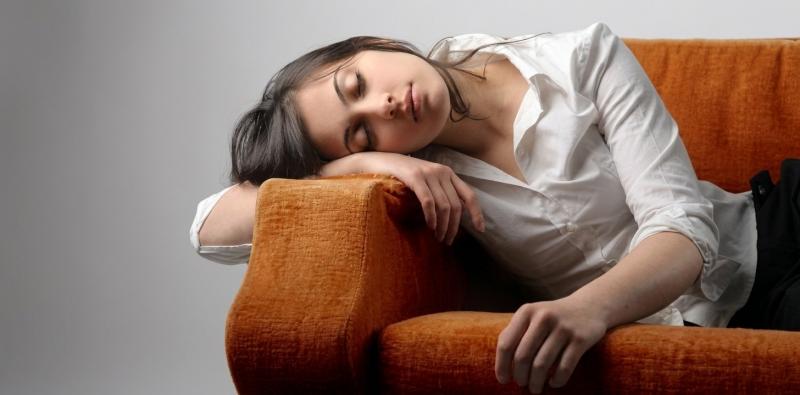
Iron deficiency is a significant health concern for women, directly affecting hemoglobin production, which is crucial for oxygen transportation throughout the body. Initial symptoms of iron deficiency might appear minor but can gradually worsen, impacting daily activities and overall health if not properly managed.
The risk is higher for women due to menstruation, pregnancy, and breastfeeding, alongside poor nutrition or conditions that hinder iron absorption. Early diagnosis and appropriate treatment are vital in restoring normal iron levels and preventing long-term complications.
Why is Iron Deficiency More Common in Women?
Iron is essential for producing red blood cells, and when depleted, the body reduces hemoglobin production, leading to iron deficiency anemia.
Factors making women more susceptible include:
- Heavy menstrual periods
- Pregnancy and the increased need for the developing fetus
- Breastfeeding
- Poor nutrition
- Diets lacking in iron
- Digestive issues affecting absorption
- Blood loss due to certain conditions or surgeries
Iron Deficiency Symptoms in Women
Symptoms vary in severity and duration, but common signs include:
- Persistent fatigue and exhaustion: Despite adequate sleep, energy levels remain low, affecting daily tasks.
- Pale skin: Reduced hemoglobin causes skin pallor, noticeable in eyelids, gums, and occasionally nails.
- Shortness of breath and dizziness: Oxygen deficiency may lead to breathlessness during mild exertion, frequent dizziness, or headaches.
- Heart palpitations: The heart compensates for oxygen shortage by beating faster, causing noticeable palpitations.
- Hair and nail brittle: Reduced nutrient supply to hair and nails causes hair loss and brittle nails.
- Cold hands and feet: Inadequate oxygenation causes persistent coldness in extremities.
- Restless leg syndrome: Iron deficiency can trigger an urge to move the legs, particularly at night, affecting sleep quality.
- Cravings for non-food substances: Known as "pica," women may crave ice, starch, or clay.
- Poor concentration and mood swings: Iron deficiency may impair focus, short-term memory, and cause irritability or reduced productivity.
Severe Iron Deficiency Symptoms
Long-term untreated deficiency may lead to severe symptoms like:
- Frequent fainting
- Severe shortness of breath
- Chest pain
- Extreme fatigue impeding activities
- Noticeably rapid heartbeat
Seek urgent medical attention if these symptoms occur.
Diagnosing Iron Deficiency
Doctors rely on medical history, physical exams, and key tests to diagnose, such as:
- Complete blood count (CBC)
- Ferritin levels
- Blood iron levels
- Transferrin saturation
- Total iron binding capacity (TIBC)
Additional tests may be conducted to investigate underlying causes of iron loss.
Treating Iron Deficiency in Women
Treatment focuses on replenishing iron and addressing core causes to prevent recurrence.
First: Treating the cause
If heavy menstrual flow, digestive bleeding, or absorption issues cause deficiency, both the cause and iron levels should be addressed.
Second: Iron supplements
Iron tablets are the primary choice. Doctors prescribe the dosage based on test results, emphasizing:
- Taking iron with Vitamin C
- Adhering to prescribed doses
- Continuing treatment after symptoms improve until iron stores replenish fully
Avoid consuming iron with tea, coffee, milk, or calcium supplements as these reduce absorption.
Third: Intravenous iron
IV iron might be suggested for those intolerant to oral iron, with severe deficiency, malabsorption, urgent need, or advanced pregnancy cases.
Best Iron-Rich Foods
A balanced diet supports treatment and maintains iron reserves.
Animal-based iron sources:
Easy to absorb, including:
- Red meat
- Liver
- Poultry
- Fish
- Seafood
Plant-based iron sources:
Include:
- Lentils
- Beans
- Chickpeas
- Spinach
- Broccoli
- Oats
- Nuts and seeds
Pairing these with citrus or bell peppers enhances absorption.
Foods and Drinks That Impede Iron Absorption
Certain foods can decrease absorption; separate them from iron supplements or meals by approximately two hours. These include:
- Tea
- Coffee
- Milk
- Calcium
- Antacids
How Long Does Iron Deficiency Treatment Take?
Symptoms usually improve within weeks of starting treatment, but rebuilding full iron stores can take months, depending on deficiency severity and body response.
Doctors recommend continuing treatment post-hemoglobin normalization to fully restore iron reserves.
Can Iron Deficiency Be Prevented?
Yes, risk reduction involves healthy habits, such as:
- Iron-rich balanced diet
- Adequate Vitamin C intake
- Treating heavy menstrual flow
- Regular checks for high-risk groups
- No supplements without consultation
- Regular pregnancy check-ups and adherence to prescribed supplements
When to See a Doctor?
Consult a doctor for persistent fatigue, dizziness, shortness of breath, or hair loss. If anemia is suspected, especially with heavy periods, pregnancy, or chronic conditions affecting absorption, seek medical advice.
In conclusion, iron deficiency in women should not be ignored as it impacts daily activities, heart, brain health, and overall life quality. Early diagnosis, appropriate treatment, and dietary improvements can effectively restore iron levels and prevent future complications.
See Also
Causes of Muscle Cramps?