


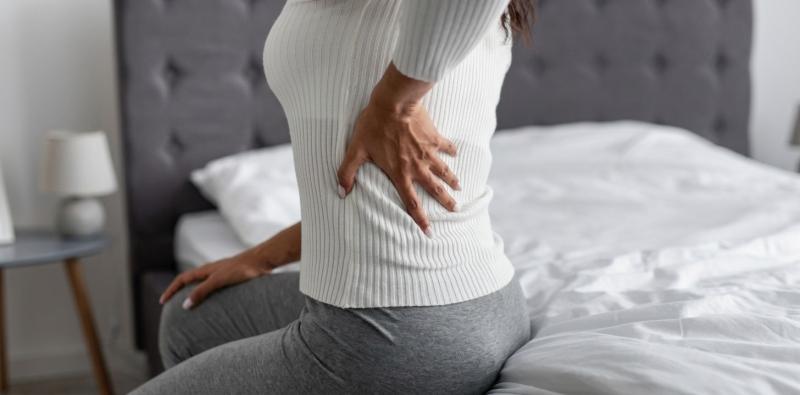
Lower back pain is one of the most common issues people search for. This condition can appear suddenly or develop gradually over time, affecting mobility, work, and daily activities. In many cases, the pain stems from minor muscle strain, while sometimes it may indicate spinal disorders or other diseases requiring diagnosis and treatment.
Additionally, the nature of lower back pain varies among individuals. It may be acute, lasting a few days, or chronic, persisting for weeks or months. Understanding the true cause helps in selecting suitable treatment and avoiding potential complications.
What is Lower Back Pain?
Lower back pain refers to discomfort localized between the lower ribs and the pelvis. It might remain confined to the back or radiate to the buttocks or legs if the spinal nerves are affected.
Moreover, it is a leading cause of absenteeism from work and doctor visits. Most cases improve with conservative treatment and lifestyle changes.
Causes of Lower Back Pain
Various reasons contribute to lower back pain, ranging from simple causes to conditions requiring medical intervention.

First: Muscle and Ligament Strain
Muscle strain is the most common cause, often resulting from improper lifting, sudden movements, or physical activity beyond body capability. It may also result from intense exercise or work demanding repeated bending, usually accompanied by muscle spasms and movement difficulty.
Second: Prolonged Sitting
Sitting for extended hours at a computer or driving, especially with poor posture, has become a prominent cause of back pain. Continuous bending increases pressure on spinal discs and muscles, causing pain over time.
Third: Weak Back and Abdominal Muscles
Muscles surrounding the spine play a crucial role in stabilizing the body. When weak, they increase the load on vertebrae and joints, raising the likelihood of pain even during simple daily activities.
Spinal Issues
Pain may stem from disorders affecting vertebrae, discs, or nerves.
Herniated Disc
A herniated disc occurs when a portion of the cartilage between vertebrae protrudes and presses on adjacent nerves, causing sharp pain that may extend to the leg, accompanied by numbness or tingling, known as sciatica.
Osteoarthritis
With age, cartilage between vertebrae gradually wears away, leading to joint friction and causing pain and stiffness, especially after waking or prolonged sitting.
Spinal Stenosis
The narrowing of the space through which nerves pass inside the spine increases pressure on them, causing pain during standing or extended walking, which may improve upon sitting or bending forward.
Osteoporosis
Osteoporosis weakens vertebrae, possibly causing painful compression fractures even without major injury. It is more prevalent in elderly individuals and post-menopausal women.
Other Medical Causes of Lower Back Pain
Sometimes, the source of pain is not the spine itself but other underlying diseases.
Pregnancy
Many pregnant women experience lower back pain due to weight gain and shifting body center of gravity, along with hormones that relax ligaments in preparation for childbirth.
Kidney Diseases
Kidney stones or infections can cause severe pain on one side of the lower back, often accompanied by burning urination, fever, or blood in the urine.
Endometriosis and Ovarian Cysts
Some reproductive system diseases in women can lead to pelvic pain radiating to the lower back, typically worsening during menstruation.
Stress and Psychological Pressure
Chronic stress contributes to increased muscle tension, particularly in neck and lower back muscles, leading to persistent pain even without a clear injury.
Symptoms Accompanying Lower Back Pain
Symptoms vary by cause and may include:
- Stiffness in the back.
- Difficulty bending or standing.
- Muscle spasms in the back.
- Pain extending to the buttocks or leg.
- Numbness or tingling in the lower limbs.
- Limited movement.
When to See a Doctor?
While most back pain cases improve within weeks, certain signals require urgent medical attention.
Warning Signs
- Severe weakness in the legs.
- Loss of sensation in the pelvic area.
- Loss of control over urine or stool.
- Fever with back pain.
- Severe pain after an accident or fall.
- Pain that disrupts sleep or worsens at night.
- Unexplained weight loss.
- Pain persisting over six weeks.
Diagnosing Lower Back Pain
Diagnosis relies on medical history and physical examination, with additional tests as needed, such as:
- X-rays.
- MRI.
- CT scans.
- Blood tests.
- Nerve tests in certain cases.
Lower Back Pain Treatment
Treatment depends on the underlying cause.

Medication
Doctors may prescribe:
- Pain relievers.
- Anti-inflammatory drugs.
- Muscle relaxants.
- Nerve pain medications if needed.
Physical Therapy
Physical therapy aids in strengthening back muscles, improving flexibility, and reducing the likelihood of pain recurrence, making it an excellent option for chronic cases.
Exercise
Regular exercises like walking, swimming, and strengthening the abdominal and back muscles also help enhance spinal health.
Surgical Intervention
Most patients do not require surgery, reserved for specific cases like severe herniated disc, nerve compression, or non-response to conservative treatment.
Preventing Lower Back Pain
Risk reduction involves adopting healthy habits, including:
- Maintaining a healthy weight.
- Regular exercise.
- Strengthening abdominal and back muscles.
- Avoiding prolonged sitting.
- Using correct posture when sitting.
- Lifting objects correctly.
- Sleeping on a suitable mattress.
- Quitting smoking.
In conclusion, the causes of lower back pain range from muscle strain and spinal problems to some internal diseases. Therefore, accurate diagnosis is the first step toward effective treatment.
In most cases, pain can be managed with temporary rest, physical therapy, and appropriate exercises. Some cases require prompt medical intervention to avoid complications. Thus, persistent or warning-sign accompanied pain should not be ignored, as early treatment contributes to spinal health and life quality improvement.
See Also:
What is the Best Time to Drink Coffee?