


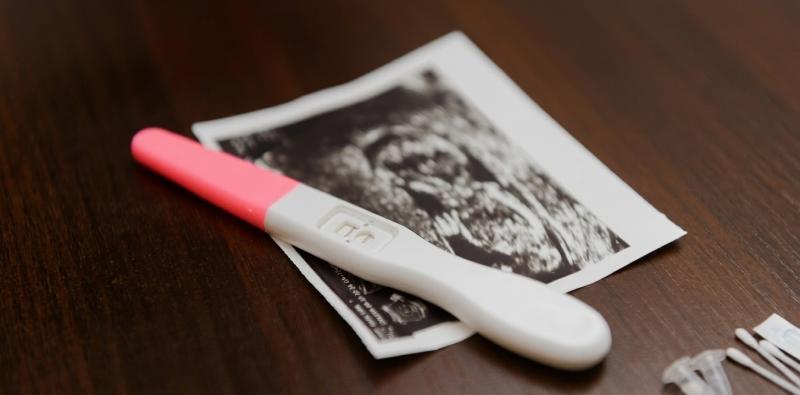
Many women question when pregnancy results appear in a blood test, especially after ovulation or a missed period. Blood tests are capable of detecting the pregnancy hormone (hCG) earlier than home pregnancy tests, making them one of the most accurate methods for early pregnancy detection.
However, the timing for pregnancy to appear in blood tests depends on the test type, either quantitative or qualitative, as their sensitivity to detect hCG varies in the initial days post-fertilization.
When Does Pregnancy Show in a Quantitative Blood Test?
The quantitative hCG test is the most sensitive among pregnancy tests, measuring the exact amount of the pregnancy hormone in the blood rather than just giving a positive or negative result.
In most cases, a pregnancy can be detected via the quantitative test 10 to 12 days after fertilization, which is approximately 3 to 4 days before the expected menstrual period, provided the hCG level has risen sufficiently.
This test is also used to monitor pregnancy development, helping doctors assess the rising hormone levels over time, which is a crucial indicator of early pregnancy progression.
When Does Pregnancy Show in a Qualitative Blood Test?
The qualitative hCG test simply checks for the presence or absence of the pregnancy hormone, resulting in a positive or negative outcome without specifying hormone levels.
This test typically detects pregnancy 12 to 14 days post-fertilization, coinciding with or slightly before the expected menstrual period. Many doctors recommend conducting this test on the expected day of the period or after a delay for more accurate results.
Difference Between Quantitative and Qualitative Pregnancy Tests
The key difference is that the quantitative test measures hCG levels numerically, making it highly sensitive and capable of early pregnancy detection. It is also used for monitoring pregnancy progress and hormone increase over time.
Conversely, the qualitative test only confirms the presence of pregnancy without providing hormone level details or pregnancy progression, requiring a higher hCG concentration for a positive outcome.
Why Wait Until the Menstrual Period?
Despite the ability of the quantitative test to detect early pregnancy, waiting until the menstrual period offers a more accurate result, reducing the chance of a false negative. Ovulation might be delayed, or fertilization might occur later than expected, leading to lower initial hCG levels.
Thus, the test may not detect pregnancy even if it's present. Waiting allows hCG levels to rise to a measurable threshold, providing clinicians and patients greater confidence in the results.

Can a Blood Test Be Negative Despite Pregnancy?
Yes, this can happen if the test is conducted too early before hCG levels reach detectable levels. If the period remains delayed with pregnancy symptoms present and the test is negative, retaking the test after 48 to 72 hours is advisable, as hCG levels typically double every two days during early normal pregnancy.
Which is Better: Quantitative or Qualitative Tests?
If early pregnancy detection or monitoring hormonal progress is the goal, the quantitative test is preferable due to its precision and ability to measure hCG amounts. However, if confirming pregnancy after a missed period is sufficient, the qualitative test may suffice, especially if done at the right time.
Tips for Accurate Results
To ensure accurate blood pregnancy test results, conduct the test in a reliable laboratory, adhering to appropriate timing based on ovulation or expected menstruation. Consult a physician for abnormal symptoms or if results don't align with symptoms.
Additionally, retesting after two days in early cases may confirm pregnancy and accurately track rising hCG levels.
Ultimately, pregnancy results from a blood test depend on the test type and timing. The quantitative test can detect pregnancy approximately 10 to 12 days post-fertilization, while the qualitative test requires 12 to 14 days or until the expected menstrual date.
For the most accurate outcomes, physicians often recommend testing on or after the menstrual due date, with retests as needed for a reliable diagnosis.
See also
Can Stress Prevent Pregnancy?