


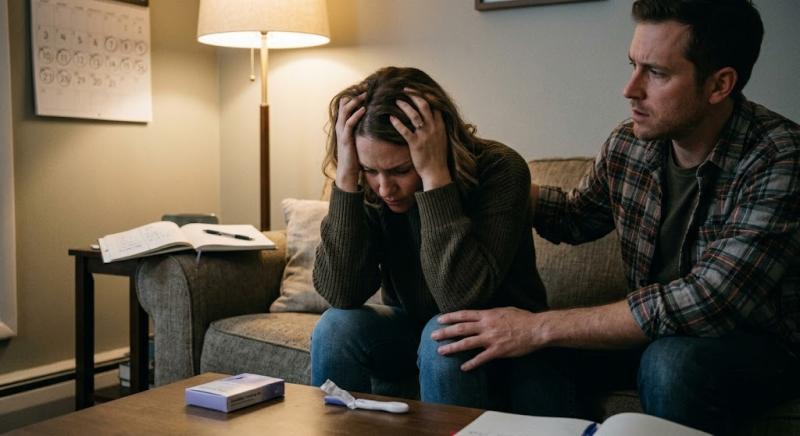
Is stress impacting your chances of getting pregnant? This is a common question among women planning to conceive, especially when the wait becomes a constant source of anxiety and reflection.
Women might hear the phrase 'don't think about getting pregnant, and it will happen.' However, the relationship between mental state and fertility is more complex than this common saying. Delayed pregnancy cannot be solely attributed to stress.
Stress can affect the body in multiple ways, linked to hormonal and neurological responses that may impact sleep, appetite, menstrual cycles, and lifestyle. Severe or chronic stress can disrupt certain ovulation-related processes. But this doesn't mean every stressed woman will face difficulty in conceiving, nor that relaxation alone will solve delayed conception.
Can Stress Impact Pregnancy Chances?
Yes, stress may influence pregnancy chances for some, especially if severe or prolonged, but it's not the sole cause of infertility in all cases.
Fertility is connected to various factors, including regular ovulation, reproductive health, age, sperm quality, and overall health. Thus, assuming delayed pregnancy is solely due to psychological factors without seeking medical evaluation isn't advisable.
Stress's impact can be direct or indirect, potentially contributing to cycle irregularities or affecting daily habits and marital relationships.
How Does Stress Affect Ovulation?
Ovulation operates within a complex hormonal system involving the hypothalamus, pituitary gland, and ovaries.
Under severe psychological pressure, the hormonal signals regulating menstrual cycles in some women may be impacted, leading to:
- Delayed ovulation.
- Irregular menstrual cycles.
- Varying cycle lengths from month to month.
- Absence of ovulation in cases linked to severe stress.
This effect doesn't occur uniformly among all women, and cycle disruptions may also result from other causes like thyroid disorders, polycystic ovary syndrome, weight changes, or various hormonal issues.
Can Stress Delay Menstruation?
Yes, stress can be a contributing factor to delayed or irregular menstrual cycles.
When the body undergoes severe psychological stress, the hormonal signals responsible for cycle timing and ovulation may change. However, delayed menstruation does not always mean stress is the cause, especially if it repeats.
In cases of delayed cycles with a possibility of pregnancy, taking a pregnancy test timely is recommended. If irregular cycles persist, consulting a doctor to identify the cause is advised.
Does Anxiety About Pregnancy Affect Conceiving Chances?
Constantly thinking about pregnancy can become a cycle of anxiety, especially when tracking ovulation and menstrual dates meticulously each month.
Anxiety itself doesn't prevent pregnancy, but it can impact daily life and elevate stress levels. For some couples, it may lead to decreased sexual desire or make marital relations strictly about timing.
Does Stress Affect Marital Relations?
Stress can indirectly impact pregnancy chances through its effect on marital relations.
Psychological pressure, anxiety, and fatigue may lead to:
- Reduced sexual desire.
- Less frequent marital interactions.
- Difficulty relaxing.
- Feeling pressured as ovulation days approach.
- Turning pregnancy attempts into a source of anxiety rather than a natural relationship aspect.
Here, stress's impact is indirect, as it may decrease opportunities for relationship during fertility windows.
Does Stress Affect Male Fertility?
Stress isn't limited to women; continuous stress can affect men's overall health as well.
Stress may be associated with sleep disruptions, reduced physical activity, and lifestyle changes—factors indirectly affecting reproductive health.
When pregnancy is delayed, considering both partners' health is crucial instead of focusing solely on the woman.
Does Stress Cause Infertility?
Stress alone cannot be stated to cause infertility.
Infertility or delayed conception can involve multiple factors such as ovulation disorders, fallopian tube issues, endometriosis, uterine-related problems, reduced sperm quality, and other factors.
Can Relaxation Increase Pregnancy Chances?
Reducing stress can improve life quality, sleep, and mental well-being, potentially benefiting those under continuous pressure.
However, relaxation alone is not a foolproof solution for delayed pregnancy. The best approach combines mental health care, medical follow-ups when needed, adhering to healthy lifestyles, and understanding suitable times for marital interactions.
Ways to Reduce Stress While Trying to Conceive
Engage in Moderate Physical Activity
Regular physical activity can aid in mood improvement and stress reduction, ensuring not to over-exercise if it affects cycles or overall health.
Prioritize Sleep
Continuous sleep deprivation can increase fatigue and stress. Maintaining a regular sleep schedule helps support physical and mental health.
Avoid Excessive Symptom Research
Constant symptom research and bodily change analysis can heighten anxiety, especially during the waiting period before menstrual dates.
Talk to a Trusted Person
Psychological support from partners, family, or friends can help alleviate pressure feelings.
Seek Professional Help
If anxiety becomes severe or affects daily life or marital relations, consulting a mental health specialist can be a valuable step.
When Should You Consult a Doctor for Delayed Pregnancy?
Visiting a fertility specialist is usually advised if 12 months of regular marital interaction without contraception doesn't result in pregnancy for women under 35 years.
For women aged 35 or older, it's usually recommended not to wait more than 6 months before seeking medical evaluation.
Early evaluation may be necessary in cases such as clear cycle irregularities, prolonged absence of cycles, known ovarian or uterine issues, endometriosis, or past operations or infections affecting fertility.
Should You Worry if Pregnancy is Delayed for Several Months?
It's not necessarily a concern because pregnancy may take time even for couples with no clear fertility issues.
But if the attempt duration surpasses the time requiring evaluation by age, consulting a doctor is better than ongoing worry or assuming stress as the cause.
Medical evaluations help identify whether there's an ovulation issue or other factors needing attention.
See Also:
When Does Pregnancy Appear in a Blood Test?