



Vitamin D is one of the most sought-after health topics, especially with the widespread deficiency among millions globally. While moderate sun exposure remains the primary source for the body’s vitamin D production, diet also plays a crucial role, especially for those with limited sun exposure or confirmed deficiency through tests.
Furthermore, vitamin D aids in the absorption of calcium and phosphorus, contributing to bone and teeth health and muscle strength. Studies also highlight its role in supporting the immune system, making it vital to include vitamin D-rich foods in your daily diet for overall health maintenance.
Why Does the Body Need Vitamin D?
Vitamin D performs several vital functions beyond just bone strengthening; it regulates numerous biological processes.
Its key benefits include:
- Supporting bone and teeth health.
- Improving calcium and phosphorus absorption.
- Contributing to muscle strength.
- Supporting immune functions.
- Assisting in children's natural growth.
- Maintaining elder health.
Long-term deficiency can heighten the risk of rickets in children and osteoporosis in adults.
Top Foods Rich in Vitamin D
Though natural dietary sources are limited, certain foods offer substantial vitamin D and can be a mainstay in a balanced diet.
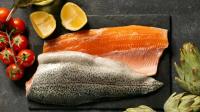
1. Fatty Fish
Fatty fish are the best natural source of vitamin D, also rich in heart and brain-healthful Omega-3 fatty acids.
Popular examples include:
- Salmon.
- Sardines.
- Tuna.
- Mackerel.
- Herring.
Salmon is notably rich, with a single cooked serving providing a significant portion of the daily vitamin D requirement.
2. Cod Liver Oil
Known for its high vitamin D content, a teaspoon of cod liver oil often meets or exceeds daily requirements for many. However, consult a doctor before consuming excessively due to its high vitamin A levels.
3. Egg Yolks
Egg yolks provide moderate amounts of vitamin D, particularly when sourced from free-range chickens exposed to sunlight. Eggs also offer protein and numerous essential nutrients in an easily incorporable form for daily meals.
4. Mushrooms
Mushrooms are the foremost plant-based natural source of vitamin D, producing it when exposed to UV light during growth. Markets offer UV-exposed mushrooms with higher vitamin D levels than conventional types.
5. Fortified Milk and Dairy Products
Due to limited natural vitamin D-rich foods, many companies fortify their products with this nutrient.
Popular fortified products include:
- Fortified milk.
- Fortified yogurt.
- Some fortified yogurt varieties.
- Fortified plant-based drinks, like soy or almond milk, in some markets.
Always read nutrition labels to ensure vitamin D content.

6. Fortified Orange Juice
Some companies add vitamin D to orange juice, offering an alternative to those not consuming dairy, though pay attention to sugar content in packaged juices and opt for those with less added sugar when possible.
7. Fortified Cereals
Many breakfast cereals and oats are fortified with vitamin D alongside iron, calcium, and other vitamins, making them a suitable breakfast choice, especially for children.
How to Enhance Vitamin D Absorption?
The body relies not only on vitamin D quantity in food but also on its consumption method. Being fat-soluble, consuming vitamin D with meals containing healthy fats boosts its absorption.
Best options include:
- Olive oil.
- Avocado.
- Nuts.
- Seeds.
- Fatty fish.
- Eggs.
Additionally, spread vitamin D sources throughout the diet rather than relying on a single meal.
Are Foods Enough to Treat Vitamin D Deficiency?
The answer depends on the deficiency level. For mild deficiency, dietary improvements and moderate sun exposure may gradually raise vitamin levels.
However, in severe cases, doctors might recommend specific-dose vitamin D supplements based on test results, as food alone is often insufficient to address a substantial deficit.
Tips to Maintain Vitamin D Levels
To optimize vitamin D benefits, adopt healthy habits, such as:
- Moderate sun exposure at appropriate times.
- Regular intake of fatty fish.
- Choosing vitamin D-fortified products.
- Consuming vitamin D with healthy fat-rich meals.
- Checking vitamin D levels when deficiency is suspected or as recommended by a doctor.
- Following prescribed supplement doses rather than taking them randomly.
In conclusion, vitamin D is crucial for bone, muscle, and immune health. Given that natural dietary sources are limited compared to other vitamins, if tests show a deficiency, consulting a physician to determine a suitable treatment approach through diet or supplements is advisable.
See also
How Much Vitamin D Does the Body Need Daily?