


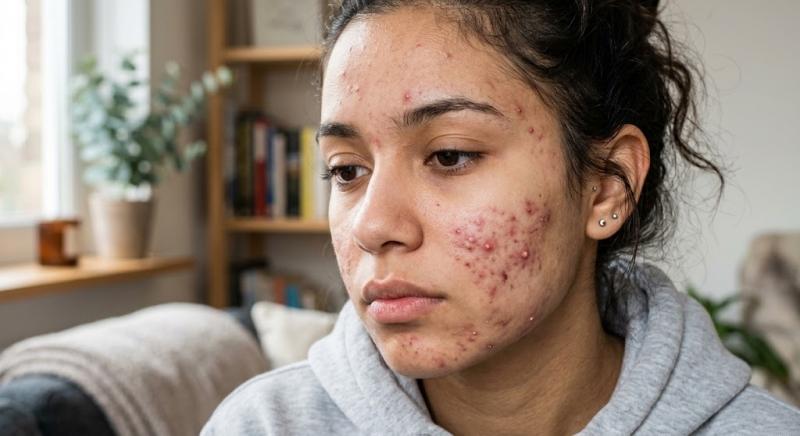
Facial acne is one of the most common skin issues, presenting itself at various life stages and in different forms such as blackheads, whiteheads, red spots, and inflamed pimples.
Acne does not necessarily indicate dirty skin. It can result from several factors affecting pores and oil secretion.
The treatment of acne varies depending on its cause, severity, and skin type, and appropriate daily care may improve its condition and limit the appearance of new spots. Persistent or painful acne might require treatment specified by a dermatologist.
Causes of Facial Acne:
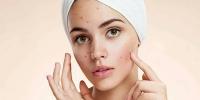
1. Excessive Oil Secretion
The sebaceous glands produce a substance called sebum which helps moisturize and protect the skin. Overproduction can lead to clogged pores, especially when combined with dead skin cells.
Oily skin is more prone to acne, but dry skin can also suffer.
2. Clogged Pores
Accumulation of dead skin cells and oils inside the pores can cause blackheads or whiteheads, and some cases may develop into inflamed pimples.
Clogged pores are a key factor in acne development.
3. Hormonal Changes
Hormones significantly impact acne appearance, often increasing during puberty or before menstruation in some women.
Hormonal changes related to certain health issues or medications can also affect acne severity.
4. Certain Skincare and Cosmetic Products
Oily or unsuitable products for one's skin type may cause pore blockage in some individuals.
It is advisable to choose products designed for acne-prone skin and avoid layering heavy creams.
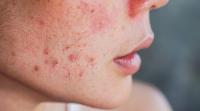
5. Stress
While stress is not a direct cause of acne, in some people it can worsen existing conditions due to its hormonal and behavioral effects on the skin.
6. Some Medications
Certain medications may contribute to acne as a side effect. Consult your doctor before discontinuing any medication.
7. Pressure and Friction on the Skin
Frequent friction and pressure on specific facial areas can irritate the skin, especially with prolonged contact from tools or clothing.
How to Get Rid of Facial Acne?
Gentle Face Cleansing
Gently wash your face with a suitable cleanser, avoiding harsh scrubbing or products that irritate the skin.
Avoid Squeezing Pimples
Popping pimples can be tempting, but it may increase inflammation and the risk of scars. It’s better to let them heal or treat them properly.
Choose Appropriate Skin Products
Select non-comedogenic products suited to your skin type, especially if prone to acne. Remove makeup before sleeping and ensure regular cleaning of face-contacting tools.
Use Specialized Acne Treatments
Ingredients like salicylic acid and benzoyl peroxide are effective for treating acne, helping to unclog pores, and reducing bacteria and inflammation depending on the product type and concentration.
Introduce new treatments gradually, as they may initially cause dryness or irritation.
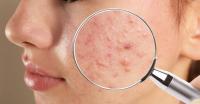
Habits to Reduce Acne Appearance
Maintain a Simple Routine
Acne-prone skin doesn't necessarily require many products. A gentle cleanser, suitable moisturizer, sunscreen, and specific treatments can form a good basic routine.
Avoid Touching Your Face
Frequent face touching can transfer dirt and oils, aggravating affected areas. Avoid touching or picking at pimples.
Clean Items That Touch Your Face
Keep pillow covers, towels, makeup tools, and phones clean, especially if they frequently contact your face.
Choose Cosmetics Carefully
If using makeup, select non-comedogenic products and thoroughly remove them before sleeping.
Do Certain Foods Cause Acne?
There is no universal rule, but some evidence links acne to certain dietary patterns, especially high glycemic index foods.
However, don’t eliminate whole food groups without reason. Opt for a balanced diet and observe if particular foods consistently worsen the skin condition.
See Also:
Causes of Severe Skin Dryness and How to Treat It