


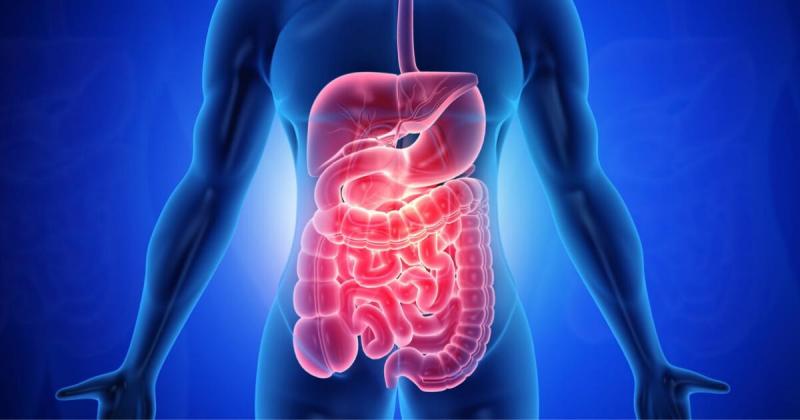
Foods that aid digestion are a hot topic for those suffering from bloating, constipation, indigestion, or recurring intestinal disorders. Diet plays a crucial role in maintaining digestive health. Choosing the right foods can enhance digestion and improve nutrient absorption efficiency.
Healthy digestion isn't just about what you eat. It also involves maintaining a balance of beneficial gut bacteria, obtaining enough fiber, fluids, and natural enzymes. Incorporating a variety of beneficial foods into daily meals supports long-term stomach and intestinal health.
Why is Diet Important for Digestive Health?
The digestive system converts food into nutrients for the body. When disrupted, symptoms like bloating, gas, constipation, diarrhea, or discomfort after eating might occur.
Additionally, certain foods nourish beneficial gut bacteria, while others provide natural enzymes and fibers that enhance bowel movement and digestion.
The Top 10 Foods for Improving Digestion

1. Yogurt and Kefir
Yogurt and kefir top the list of best foods for digestive health due to probiotics, beneficial bacteria that restore gut microbiome balance. Regular consumption can reduce bloating, constipation, and enhance nutrient absorption.
2. Ginger
Ginger is a popular herb for supporting digestion, speeding food movement from the stomach to the intestines, reducing nausea, indigestion, and fullness after meals.
3. Papaya
Papaya contains papain enzyme aiding efficient protein digestion and is rich in fiber and Vitamin C, making it excellent for digestive health.
4. Pineapple
Pineapple contains bromelain enzyme, aiding protein breakdown and digestion, reducing heaviness after protein-rich meals.
5. Apple
Apples contain soluble fiber pectin, supporting beneficial gut bacteria growth and improving colon movement, preventing constipation, and enhancing digestive health.
6. Chia and Flax Seeds
Soaking chia or flax seeds in water forms a gel rich in fiber, softening stools for easier passage. These seeds also contain healthy fatty acids supporting digestive health.
7. Dark Leafy Greens
Including spinach, broccoli, arugula, and kale, they are rich in fiber and magnesium, stimulating intestinal muscle movement and reducing constipation risks.
8. Oats and Whole Grains
Oats and whole grains provide ample fiber for regular bowel movements and act as food for beneficial gut bacteria, improving colon health.
9. Banana
Bananas are easily digestible, containing stomach-friendly fiber and potassium to balance body fluid levels, recommended for mild digestive disorders.
10. Fermented Foods
Including kimchi, natural home-made pickles, and kefir, these foods contain varied beneficial bacteria strains that support gut microbiome balance and digestion efficiency.

The Golden Rule for Digestion Improvement
While high-fiber foods are essential, sufficient water is required for their efficacy. Regular water consumption is recommended, as fluid deficiency can worsen constipation despite high fiber intake.
Daily Habits to Enhance Digestive Health
Besides choosing the right foods, some habits improve digestion, including:
- Eating slowly and chewing well.
- Walking after meals.
- Avoiding overeating.
- Reducing processed foods and fast food.
- Limiting carbonated drinks.
- Reducing stress and mental pressure.
- Getting sufficient sleep.
Foods to Limit During Digestive Issues
Conversely, certain foods can increase bloating or stomach irritation for some, such as:
- Fried foods.
- Rich meals.
- Spicy foods.
- Carbonated drinks.
- Excessive caffeine.
- Processed sugars.
When to See a Doctor?
If symptoms like indigestion, constipation, or diarrhea persist for a long time or are coupled with unexplained weight loss, blood in stools, or severe abdominal pain, visiting a doctor for necessary tests is crucial.
In conclusion, good digestive health starts with daily dietary habits. Consuming yogurt, ginger, oats, fiber-rich fruits, and fermented foods can markedly improve digestion and bowel health.
By drinking enough water, maintaining physical activity, and avoiding unhealthy dietary habits, maintaining a healthy digestive system becomes easier and more sustainable.
See also:
When is the Best Time for Intercourse for Pregnancy?