


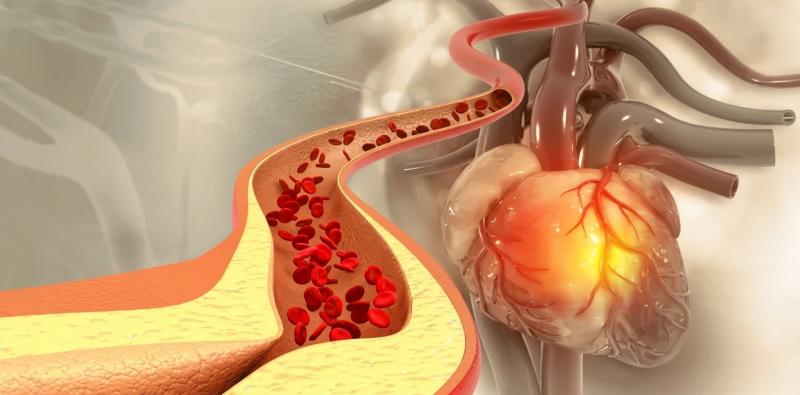
Cholesterol is a significant concern for individuals aiming to enhance heart health and reduce the risk of arterial diseases. A healthy diet plays a crucial role in managing blood fat levels and can often be the first step alongside physical activity and a healthy lifestyle.
Reducing cholesterol isn't just about avoiding fats. It involves selecting foods rich in soluble fibers, unsaturated fats, Omega-3 fatty acids, and plant sterols. By incorporating these foods into a balanced diet, positive results in cholesterol levels can be achieved over time.
How Do Foods Help Lower Cholesterol?
Certain foods reduce cholesterol absorption in the intestines, while others help increase its elimination or improve the body's fat balance. Additionally, antioxidant-rich foods protect blood vessels and reduce the risk of fat accumulation in the arteries.
Top 10 Foods to Lower Cholesterol
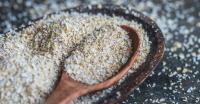
1. Oats and Oat Bran
Oats are beneficial for heart health due to their soluble beta-glucan fiber content, which binds cholesterol in the digestive system and reduces its absorption. Oats also offer a prolonged feeling of fullness, aiding weight control, a key factor in improving blood fat levels.
2. Fatty Fish
Salmon, tuna, and sardines are excellent sources of Omega-3 fatty acids, which lower triglycerides, improve heart health, and reduce inflammation. Consuming fish twice weekly is recommended to support cardiovascular health.
3. Nuts
Almonds and walnuts are rich in unsaturated fats, plant sterols, and fibers, which help reduce bad cholesterol levels and improve artery health. However, they should be eaten in moderation due to their high-calorie content.
4. Extra Virgin Olive Oil
Olive oil is a staple of the Mediterranean diet, containing monounsaturated fats and antioxidants that support heart health, making it a healthy alternative to butter and saturated animal fats.
5. Avocado
Avocados are high in healthy fats that increase good cholesterol (HDL) and reduce bad cholesterol (LDL). They are also packed with fiber, potassium, and antioxidants.
6. Legumes
Lentils, chickpeas, and beans are excellent sources of plant protein and soluble fiber, making them a great substitute for red meats high in saturated fats. They also enhance digestive health and increase satiety.
7. Apples and Pears
These fruits contain soluble pectin fibers that bind cholesterol in the digestive system and help in its elimination, alongside providing antioxidants and vitamins that support overall health.
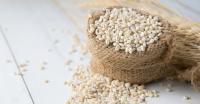
8. Barley and Whole Grains
Barley, like oats, positively affects cholesterol levels due to its soluble fiber content. Replacing refined grains with whole grains improves heart health and controls blood sugar levels.
9. Leafy and Cruciferous Vegetables
This group includes broccoli, spinach, okra, and kale, which are rich in fibers, vitamins, and antioxidants that reduce inflammation and improve vascular health, aiding in eliminating excess fats.
10. Plant Sterol-Fortified Foods
Certain fortified yogurts, soy milk, and juices contain phytosterols that reduce cholesterol absorption in the intestines. Studies show regular consumption within a healthy diet can lower bad cholesterol levels.
The Best Cooking Methods for Heart Health
It's not only about choosing healthy foods; cooking methods also affect the nutritional value of meals. Grilling, boiling, steaming, or baking in the oven is preferred while minimizing oils and avoiding deep frying, which increases harmful trans fats.
Tips to Lower Cholesterol Faster
Besides eating healthy foods, daily habits can enhance results, including:
-Engaging in physical activity for at least 30 minutes most days of the week.
-Maintaining a healthy weight.
-Reducing saturated and trans fats.
-Increasing vegetable and fruit intake.
-Quitting smoking.
-Reducing sugars and highly processed foods.
-Regularly checking cholesterol levels.
When to See a Doctor?
If cholesterol levels remain high despite following a healthy diet and exercising, consulting a doctor is essential. Some may require cholesterol-lowering medications, especially those with heart diseases, diabetes, or a family history of high cholesterol.
In conclusion, a healthy diet is the first line of defense for maintaining heart and artery health. A simple dietary change can make a significant difference in the long term.
Including oats, fatty fish, nuts, legumes, and leafy vegetables in daily meals, alongside a healthy lifestyle, helps lower bad cholesterol, improve overall health, and reduce the risk of heart disease.