



Oily skin produces more sebum than other skin types, resulting in a shiny appearance shortly after cleansing, and increasing the likelihood of clogged pores and outbreaks of blackheads and acne.
However, natural oils aren't entirely undesirable as they help protect the skin and maintain its elasticity.
The goal of oily skin treatment isn't to eliminate sebum entirely but to regulate its production and maintain skin balance.
Excessive use of soap or strong exfoliants can dry and irritate the skin. Hence, choosing appropriate products and sticking to a simple routine can be more effective in the long term.
Best Methods for Treating Oily Skin:
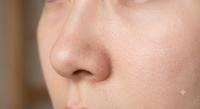
Cleansing the Skin Twice Daily
Cleansing is crucial for managing excess oil. A gentle cleanser suitable for oily skin should be used in the morning and evening.
Frequent washing isn't necessary, as over-cleansing can irritate and dry out the skin.
Using Products Containing Salicylic Acid
Salicylic acid helps in removing dead skin cells from the surface and inside the pores. It is found in many oily and acne-prone skincare products.
Start gradually with these products, especially if you have sensitive skin, and discontinue if severe irritation occurs.
Consistent Moisturizing
Contrary to popular belief, oily skin requires moisture. Leaving skin unmoisturized can lead to dryness and irritation.
Choose a lightweight moisturizer that doesn't clog pores, offering support to the skin barrier without adding a heavy oily layer.
Utilizing Sunscreen
Oily skin also needs sunscreen. Opt for a lightweight, non-clogging formula.
Sunscreen not only shields against UV rays but also minimizes long-term damage that can affect the skin's appearance.
Beneficial Ingredients for Oily Skin
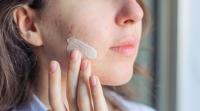
Salicylic Acid
Used to clear pores and reduce oil and dead skin cell buildup. Commonly found in oily skin products.
Niacinamide
May help improve skin appearance and reduce shine for some individuals, included in many skincare products.
Retinoids
Assist in regulating skin cell renewal and improving clogged pores and acne. Some types require gradual use and medical guidance, particularly for moderate to severe conditions.
Daily Oily Skin Care Routine
In the Morning
Start with a gentle cleanser, then apply a light moisturizer suitable for oily skin, and finish with sunscreen.
In the Evening
Thoroughly clean the skin to remove makeup, dirt, and oil. Then apply appropriate treatments if part of your routine, followed by a moisturizer.
Avoid introducing multiple new products simultaneously to determine the suitability of each.
Common Mistakes in Oily Skin Management

Excessive Face Washing
Frequent washing may seem a quick solution to shine, but it can lead to irritation and dryness.
Using Alcohol and Harsh Substances
Some products provide temporary dryness but can irritate the skin with regular use.
Neglecting Moisturization
Oily skin also needs moisture. Opting for a light moisturizer is better than skipping altogether.
Rough Scrubbing
Harsh exfoliation doesn't effectively remove oil and can lead to irritation and increased sensitivity.
Pimple Popping
Pressing on pimples can increase inflammation and leave scars, so it's best to avoid it.
Does Oily Skin Cause Acne?
Oily skin can increase the likelihood of acne as excess sebum production can lead to clogged pores when combined with dead skin cell buildup.
However, oily skin is not the sole cause of acne; hormones, genetics, certain medications, and other factors also play a role.
Can Oily Skin Be Eliminated Completely?
You can't change the natural oiliness of your skin permanently. However, you can control oil production and enhance its appearance with the right routine.
Oiliness varies among individuals and can change due to age, hormones, weather, and other factors. Thus, it's better to focus on balance than on eliminating oil entirely.
When Should You See a Dermatologist for Oily Skin?
If oily skin accompanies persistent, painful, deep acne or leaves obvious scars, consulting a dermatologist is advisable.
A dermatologist may recommend topical treatments or suitable medications based on the severity, rather than trying multiple products without diagnosis.
Also Watch:
Causes of Severe Skin Dryness and Treatment Methods
Best Doctor for Treating Dark Circles in Al Hamra
Effective Face Masks for Skin Brightening Before Your Wedding