


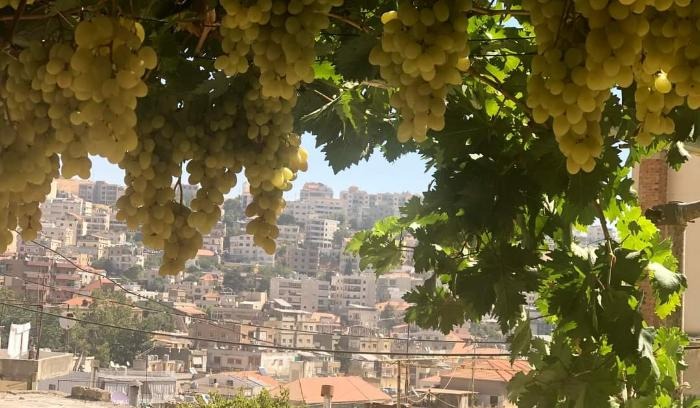
Zahle, recognized as the Bride of the Beqaa, is one of Lebanon's eminent cities that combines lush nature with rich history and vibrant cultural life. Nestled in the heart of the Beqaa Valley and traversed by the Berdawni River, Zahle's enchanting landscape has long made it a beloved destination for visitors and tourists.
Beyond its natural allure, renowned restaurants, and parks, Zahle is steeped in a history marked by significant events and transformations. Its strategic position has been integral to trade between different regions of Lebanon and the Levant, leading to periods of economic and cultural prosperity and making it a prominent Lebanese city.
Why is Zahle Called the Bride of the Beqaa?
The title Bride of the Beqaa is tied to Zahle's natural beauty and its unique location between mountains and the Beqaa Valley, along with its orchards, vineyards, and the flow of the Berdawni River.
Zahle is also famous for its numerous restaurants, cafes, and scenic spots along the Berdawni's banks, making it a prime Lebanese destination for dining and savoring nature, especially in spring and summer.
Its cultural and literary reputation further solidifies its position, linked to many poets and writers who have influenced the cultural scene.
The Founding of Zahle and Its Geographic Location
Zahle began to flourish in the 18th century, specifically with its establishment in 1711 when new settlements appeared in the area.
Situated on mountain slopes and around the Beqaa Valley, the city grew and expanded, becoming a key transit point between Lebanese regions and inland Syria.
Over time, Zahle turned into a booming commercial hub, benefiting from its location on routes connecting Beirut to Damascus and other parts of the Levant.
Zahle as a Key Commercial Center
Zahle's location boosted its economic and commercial role, becoming an essential stop for traders and travelers.
With advancements in transportation and communications, the city's prominence increased, especially post establishment of a railway line in the late 19th century, facilitating movement of goods and people and bolstering trade.
Besides trade, Zahle became famous for agriculture, especially grape production, and related industries, as well as a range of local agricultural products.
Zahle's Self-Rule Era
In the 19th century, Zahle experienced a unique phase of local administrative independence, enjoying a degree of self-rule.
This period is often highlighted in historical records as a distinctive political and administrative experiment, enhancing residents' sense of identity and local pride.
During this time, Zahle became a hub for commercial and cultural activity, with notable political and social figures contributing to the region's history.
Zahle After the 1860 Events
Zahle faced challenges during the events of 1860, which left a significant impact on the city and its inhabitants.
However, the city gradually revived, rebuilding its economy and social and cultural life over the following years.
The reconstruction and commercial resurgence helped Zahle reclaim its position as one of the Beqaa's prominent cities.
Zahle, the City of Poetry and Culture
Beyond its natural beauty and trade, Zahle is also recognized for its literary and cultural status.
The city has produced numerous poets and writers who enriched Lebanese and Arabic literature, hence associating Zahle with poetry and culture.
The natural environment, especially the Berdawni River, the mountains, and vineyards, have been inspirational to many authors and poets.
Importance of the Berdawni River in Zahle
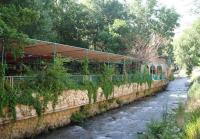
The Berdawni River is a prominent natural feature that defines Zahle, flowing through the city and forming a pivotal axis for its tourism appeal.
Its banks are lined with restaurants, cafes, and outdoor lounges that attract visitors, particularly during warm months.
The Berdawni area offers visitors the chance to enjoy nature and mountain ambiance, alongside savoring traditional Lebanese cuisine celebrated in Zahle's eateries.
Main Tourist Attractions in Zahle
The city and its vicinity boast attractions combining nature, heritage, and culture.
Wadi al-Aarayesh
Wadi al-Aarayesh is one of Zahle's most famous tourist spots, known for its restaurants and riverside lounges, amidst beautiful natural surroundings.
The valley is a draw for those seeking a peaceful day enjoying Lebanese food and outdoor settings.
Our Lady of Zahle and the Beqaa Shrine
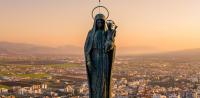
The statue of Our Lady of Zahle and the Beqaa sits atop a hill overlooking the city, a significant religious and tourist landmark.
From the surrounding area, one can enjoy wide views of Zahle and the Beqaa Valley, making it a favorite for photography and scenic viewing.
Mar Nkoula Stairs
The Mar Nkoula Stairs are deeply tied to the city's memory and architectural heritage, reflecting old Zahle's character and traditional neighborhoods.
Zahle's Economy and Notable Products
Zahle's economy is diverse, blending trade, agriculture, tourism, and services.
Grape cultivation is a significant agricultural activity in the area, with Zahle and its surroundings renowned for wine production and food industries linked to local agricultural produce.
The city also benefits from tourism activity, especially during summer, as visitors flock to enjoy restaurants, parks, and natural sites.
Why Zahle is Worth Visiting
The Bride of the Beqaa, Zahle, combines elements that make it a standout Lebanese tourist destination; it's a city rich in history, stunning nature, famous dining spots, and vibrant cultural life.
Visitors can start exploring the city center and its heritage sites, then move on to the Berdawni River and Wadi al-Aarayesh, before visiting the Our Lady of Zahle statue for panoramic views of the city and the Beqaa.
Conclusion
Zahle is one of the Lebanese cities that has managed to preserve its historical, natural, and cultural identity. Since its modern inception in the 18th century, its location has been crucial to its commercial and social development.
With the Berdawni River, vineyards, restaurants, and religious and heritage landmarks, Zahle remains the Bride of the Beqaa, uniting the beauty of nature with the richness of history and the spirit of Lebanese life.
See also:
Why Baalbek is Called the City of the Sun? A Look at the Name's Origin and City's History