


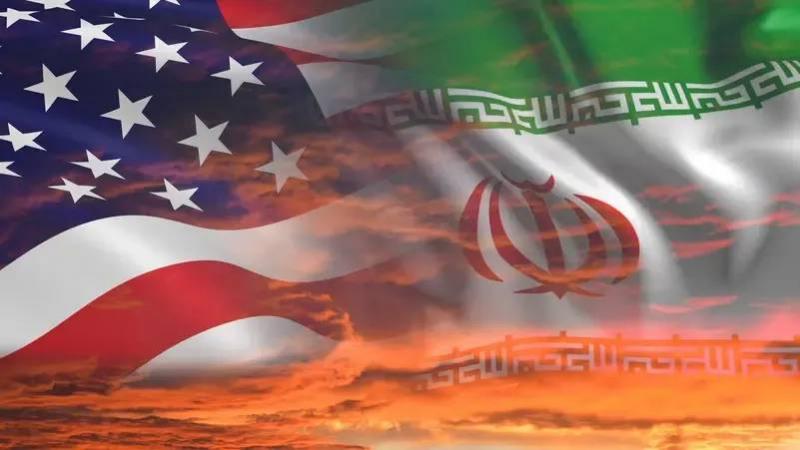
As U.S. strikes on Iran intensified over the past hours, following a ceasefire that lasted for months, the Trump administration has heightened its pressure, betting on the potential collapse of the Iranian regime.
In a post on Truth Social early Wednesday, U.S. President Donald Trump urged the Iranian people to rise up.
Return to Negotiations?
Treasury Secretary Scott Bessent stated that Tehran faces three choices: a coup by the Revolutionary Guards against itself, a popular uprising, or a return to negotiations to reach a binding agreement.
Bessent suggested that Tehran is driven towards military action due to economic pressures, indicating past diplomatic agreements failed as Iran wasn't ready for a feasible deal. He emphasized that Iran has no control over the Strait of Hormuz, asserting that the U.S. has dominion over the maritime passage amidst Iran's economic decline.
Bessent denied reports of maritime threats in the strait, confirming there are no sea mines and dismissing claims of ship collisions as Iranian propaganda.
He noted that sanctions and the economic blockade are suffocating Tehran, with its economic collapse being imminent.
However, Trump stated he is no longer interested in negotiations, saying, "I don't care if they sign a worthless agreement. I prefer our current state, where we have almost complete control over the Strait of Hormuz as their economy collapses."
100 Airstrikes
This stance follows a return to conflict between the U.S. and Iran after the largest exchange of fire in weeks, as Washington threatened more destructive strikes. The U.S. Central Command announced yesterday a wave of strikes against Iranian Revolutionary Guard targets, including air defense sites, radar systems, naval assets, mine-laying capabilities, and communications sites.
American officials reported hitting 100 sites in Iran.
In response, Iranian sources claimed attacks on American bases in Iraq, Jordan, and Bahrain, though these countries confirmed intercepting all drones and missiles.
The exchange marked the first major conflict since last July, ending a period of relative calm with minimal interest in returning to talks. Iranian President Masoud Bozshkian yesterday expressed readiness to resume compliance with the June memorandum of understanding, especially as the war has significantly damaged Iran's already struggling economy and traditional military forces.
On the U.S. side, Trump faces rising fuel prices due to the war ahead of November's mid-term elections, as well as depleting significant stockpiles of long-range precision missiles, raising concerns over future readiness, according to Reuters.
Nonetheless, the renewed fighting has led to a new exchange of defiant rhetoric, hinting at potential upcoming escalation.