


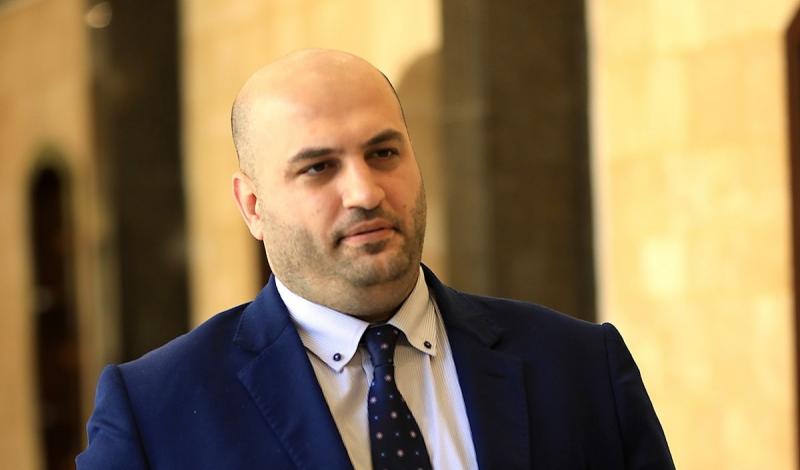
Public Health Minister Dr. Rakan Nassreddine discussed the ministry's ongoing projects aimed at improving healthcare quality and expanding medical and hospital coverage. In a recent interview with Al-Manar TV, he emphasized that 'healthcare and medication are primary focuses of the ministry, and that they are being secured despite limited resources.' Nassreddine believes 'achieving universal health coverage is achievable' and noted that a proposed law by the Health Committee suggests funding this through taxes on health-harming products like alcohol and tobacco.
He highlighted recent ministry achievements, including restoring trust with hospitals and becoming one of the fastest in settling dues for both public and private hospitals. He reported that payments for the first quarter of the year were completed by August. Public hospital spending, which was $38 million in 2024, has surpassed $150 million this year, with plans to exceed $250 million next year. Coverage expansions now include procedures like kidney and bone marrow transplants.
Nassreddine reaffirmed the commitment to addressing violations in the health sector, explaining that the ministry is studying these issues thoroughly. A list of offending doctors and hospitals will be released soon, ensuring fairness in proceedings. He urged hospitals to accept urgent cases covered by the Ministry of Public Health and called for ethical practices within the healthcare sector.
The minister discussed advancements in equipping public hospitals with CT and MRI devices, noting significant capacity expansion at Rafik Hariri University Hospital. This growth has led some hospitals to generate profits. Nassreddine emphasized Lebanon’s reliance on private healthcare while improving public hospital capacity. Citizens are encouraged to report shortcomings via hotline numbers 1214 and 1787.
On pharmaceuticals, the ministry has widened treatment protocols and increased coverage by over 400%. Savings from tenders have improved transparency and controlled prices. Work is ongoing to refine drug registration protocols and prevent monopolies, ensuring open market access. Ministry spending on medication has risen from $32 million to nearly $120 million.
Politically, Nassreddine emphasized the enduring necessity of resistance, citing historical ties to the Lebanese resistance against Israeli occupation, particularly from southern towns like his mother's hometown of Houneen. He stressed the resilience of southern residents, comparing them to olive trees deeply rooted in their homeland.