


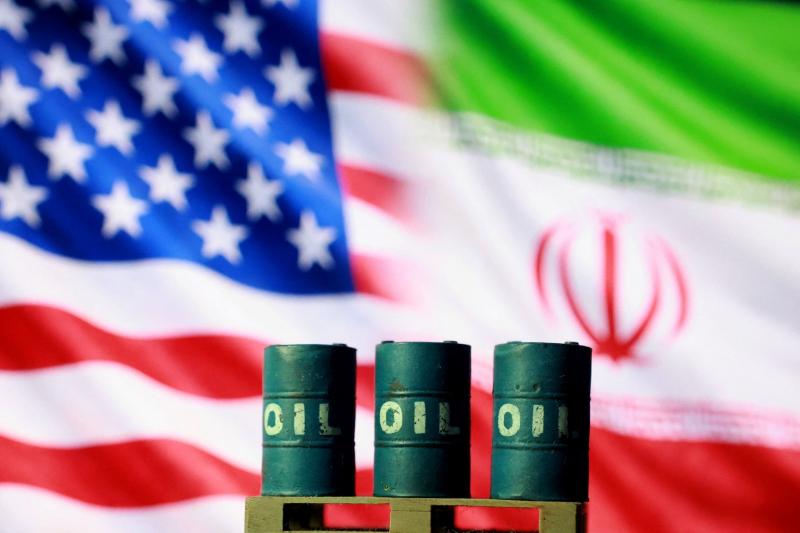
A study by Brown University has revealed that the recent surge in energy prices due to the conflict with Iran has added approximately $100 billion in costs for U.S. consumers. This increase stems from the turmoil in the oil markets and the related energy supply disruptions in the Middle East.
The study, which continually updates its estimates, indicates an additional energy cost increase for Americans of about $1 million every two minutes.
The analysis found that the rise in gasoline and diesel prices has burdened the average American household with over $760 since the conflict erupted on February 28, highlighting the conflict's impact on American family budgets.
Record Diesel Prices
This cost increase coincides with a sharp rise in U.S. fuel prices, with average diesel prices hitting record highs, surpassing $5.8 per gallon.
The implications of rising diesel prices extend beyond vehicle drivers, affecting shipping, transportation, agriculture, and supply chains, raising concerns about energy price hikes leading to increased costs of goods and services.
This fuel price surge is occurring amidst significant disruptions in global energy markets, fueled by the conflict with Iran and the restrictions on oil supply routes through the Strait of Hormuz, a critical global energy passage.
Trump Defends His Policy
In response to criticism over rising energy costs, U.S. President Donald Trump defended his policy towards Iran, emphasizing that Americans paying higher energy prices is a lesser risk than allowing Tehran to develop a nuclear weapon.
Conversely, Iran denies any military dimensions to its nuclear program, asserting that its nuclear activities are for peaceful purposes.
The study's findings place the economic burden of the conflict at the forefront of domestic discussions in the U.S., particularly as fuel prices continue to climb, potentially impacting inflation and consumer spending.