


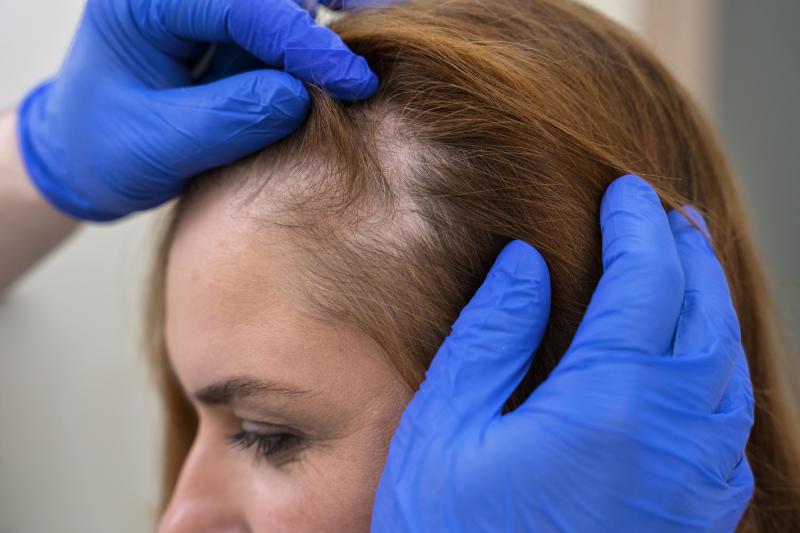
Hair loss is a common issue faced by women across all age groups, often manifesting as an increase in shedding during showers or brushing, reduced hair density, or the appearance of bald spots in the scalp. While sometimes temporary due to natural changes or transient health conditions, it can also be a sign of an underlying issue requiring diagnosis and treatment.
Various factors contribute to hair loss in women, including hormonal changes, nutritional deficiencies, stress, certain illnesses or medications, genetic factors, and poor hair care habits. Identifying the root cause is crucial for selecting the appropriate management strategy.
What Causes Hair Loss in Women?
Numerous factors might lead to hair loss, often with multiple issues occurring simultaneously. Key causes include:
- Hormonal Changes: Common among women, occurring during pregnancy, postpartum periods, contraception changes, and menopause. Notably, hair loss post-birth is often temporary as more follicles enter the shedding phase.
- Iron Deficiency and Anemia: Particularly affects women with heavy menstrual cycles or insufficient dietary iron. It may accompany symptoms such as fatigue and dizziness. Iron supplements should be taken after confirming deficiency via tests.
- Nutritional Deficiencies: The growth of hair relies on nutrients, with deficiencies in elements like zinc or certain vitamins potentially linked to improper diet or absorption issues. It's advisable to obtain these nutrients from a balanced diet and seek testing if symptoms suggest deficiencies.
- Stress and Psychological Strain: Acute stress or physical strain can result in increased hair loss, known as telogen effluvium, following severe illness, surgery, rapid weight loss, or substantial stress. Symptoms often improve upon addressing the causative factor.
- Thyroid Disorders: These can disrupt the hair growth cycle, causing increased shedding along with other symptoms depending on the type of thyroid disorder. Doctors may perform thyroid assessments if suspected.
- Polycystic Ovary Syndrome (PCOS): The hormonal imbalances associated with PCOS can affect hair growth, leading to increased body hair and scalp hair thinning, coupled with symptoms like irregular menstruation or acne in some cases.
- Genetic Factors: Known as female-pattern hair loss, this genetic predisposition manifests as gradual thinning in specific scalp areas while generally maintaining the frontal hairline.
- Scalp Conditions:
Hair loss - Tight Hairstyles: Constant pulling due to tight hairstyles can cause traction alopecia, arising from hairstyles that apply persistent tension to hair roots. Avoiding hairstyles that cause pain or prolonged pressure is advisable.
- Overuse of Dyes and Heat: While not causing hair loss from roots, excessive use of heat styling tools and chemical treatments may lead to hair shaft damage and breakage, reducing hair density. Limit high heat and use appropriate hair care products.
What Tests Might a Doctor Request?
Not all women experiencing hair loss require comprehensive tests. The necessity of tests depends on symptoms, health history, and clinical evaluation. A doctor might request blood tests to check for iron deficiency, thyroid disorders, or other potential causes. Examination of the scalp and hair may also be conducted to assess the pattern of loss and whether it's from follicular issues or shaft breakage.
How to Reduce Hair Loss?
Tackling hair loss involves addressing the underlying cause, which may include:
- Following a balanced diet
- Ensuring adequate protein intake
- Avoiding extreme diets and rapid weight loss
- Reducing the use of high heat on hair
- Avoiding hairstyles that pull on the hair
- Handling hair gently when combing
- Treating any scalp disorders present
- Consulting a doctor if hair loss continues or worsens
- Avoiding unnecessary nutritional supplements without confirming a deficiency
Do Oils Treat Hair Loss?
Many women use natural oils to enhance hair appearance and hydration; however, oils aren't a remedy for all hair loss causes. If hair loss stems from hormonal imbalances, iron deficiency, scalp disorders, or genetic factors, oils alone won't address the root cause. Understanding the reason for hair loss is key before deciding on the appropriate treatment.
When to Visit a Dermatologist?
It's best to consult a dermatologist when hair loss is severe, sudden, or persistent, or when bald spots become apparent. Conditions accompanied by inflammation, intense itching, or scalp pain also warrant medical assessment. Early diagnosis aids in identifying the cause and initiating treatment before the problem escalates.
Conclusion
There are various reasons for hair loss among women; the cause cannot be determined by measuring the amount of shed hair alone. Temporary factors like stress, hormonal changes, or weight loss may be responsible, while other cases might relate to iron deficiency, thyroid disorders, PCOS, genetic factors, or scalp illnesses. The optimal approach to addressing the issue involves targeting the underlying cause, avoiding practices that lead to hair breakage, ensuring a balanced diet, and consulting a dermatologist for severe or persistent hair loss or when bald patches appear.