


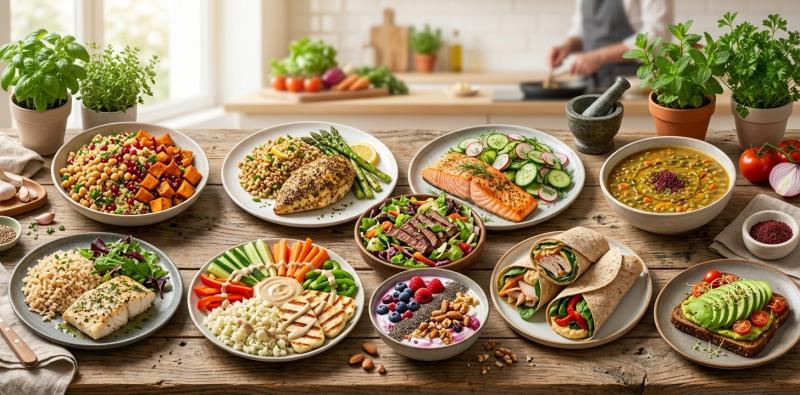
The success of a dietary plan largely hinges on your ability to control hunger and maintain a feeling of fullness between meals. Ideally, a meal should include a good source of protein along with vegetables or fiber sources, moderate amounts of healthy fats, and nutrient-rich carbohydrates.
Additionally, following a diet doesn't mean completely eliminating carbohydrates. Foods like oats, bulgur, quinoa, brown rice, and whole grain bread can be incorporated into a balanced system while being mindful of the appropriate portion sizes for individual needs.
Top Healthy Meals for Dieting
A variety of options can be relied on throughout the day, ideally opting for simple meals that can be consistently maintained rather than a highly restrictive regimen that is hard to commit to in the long term.
1. Boiled Eggs with Avocado and Whole Grain Bread
The egg and avocado meal is a practical choice for breakfast. Eggs provide protein while avocado adds unsaturated fats and fiber. You can enjoy two boiled eggs with a quarter of an avocado and half a small loaf of whole grain bread, along with cucumbers and tomatoes or fresh vegetables.
Adding vegetables increases the meal's volume without significantly increasing calories, supplying the body with a variety of vitamins and minerals.
2. Oatmeal with Greek Yogurt and Strawberries
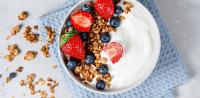
If you prefer a sweet breakfast over eggs, oatmeal with Greek yogurt and strawberries might be a suitable choice. The meal can be prepared using a moderate amount of oats with low-fat milk, Greek yogurt, and some strawberries. Adding a teaspoon of chia seeds can further boost fiber content.
However, be cautious with flavored yogurts and ready-made oatmeals, as they might contain high amounts of added sugar.
3. Grilled Chicken Breasts with Quinoa and Salad
This meal combines protein, complex carbohydrates, and vegetables, making it a great lunch option. A grilled chicken breast can be paired with a moderate amount of boiled quinoa and a large plate of green salad with arugula, cucumber, and tomatoes.
Adding healthy fats can be achieved with a small amount of olive oil as a salad dressing, avoiding excess oil due to rapidly accumulating calories even in healthy foods.
4. Salmon with Vegetables
Salmon is notable for its protein and beneficial fats, including omega-3 fatty acids. A grilled salmon fillet can be served with broccoli, zucchini, carrots, or a variety of vegetables.
It's preferable to steam or grill the vegetables instead of frying, which helps control the amount of added fat to the meal. You can also add a small serving of potatoes or whole grains according to your daily caloric and carbohydrate needs.
5. Tuna Salad with Vegetables
Tuna salad is a quick meal that can be prepared in minutes, especially for those short on time to cook. Well-drained tuna can be mixed with cucumber, colorful peppers, parsley, lettuce, and tomatoes with lemon juice.
If the tuna is preserved in oil, it's best to drain it thoroughly and consider the used amount within the total daily caloric intake. For a more balanced meal, add a small piece of whole grain bread or a proper amount of whole grains depending on your dietary plan.
6. Mujadara with Lentils and Bulgur
Diet-friendly meals aren't restricted to chicken and fish; legumes can be a good source of plant protein and fiber. Mujadara with lentils and bulgur combines legumes and whole grains and can be served with a large salad and low-fat yogurt.
The method of preparation is crucial, as excess oil or large amounts of rice or bulgur can increase calorie content. It's better to control portion sizes and use moderate amounts of fat.
7. Greek Yogurt with Nuts
Greek yogurt can be an ideal choice for a snack or a simple dinner, especially if it's high in protein and low in added sugar.
Add a small amount of almonds or walnuts and some fresh fruits. This combination offers protein, healthy fats, and fiber. However, nuts are relatively high in calories, so it's best to stick to a small handful.
8. Zucchini Stir Fry with Cottage Cheese
Zucchini is a relatively low-calorie vegetable. It can be prepared with garlic and mint and served alongside cottage cheese. A half-small loaf of whole grain bread can be added if the meal lacks other carbohydrate sources.
Low-fat cheese can be used when calorie reduction is needed, being mindful of the salt content in different kinds of cheese.
9. Grilled Chicken with Vegetables
Chicken can be turned into a complete meal by simply serving it with a variety of vegetables like broccoli, peppers, zucchini, and eggplant. This option offers a good amount of protein with the fiber and vitamins found in vegetables. Calorie control can be managed through cooking methods.
Moreover, using herbs, spices, and lemon juice can enhance the flavor without needing large amounts of high-calorie sauces.
10. Light Dinner with Eggs and Vegetables
Eggs can also be consumed at night, and there’s no reason to avoid eggs simply because the meal is dinner. A simple option is preparing two eggs with vegetables like spinach, peppers, and tomatoes, with a small amount of whole grain bread if needed.
This meal is easy to prepare and packed with protein, with adjustable size based on daily energy requirements.
4 Important Rules for Diet Success
1. Include Protein in Every Meal
Protein helps with satiety. It can be obtained from eggs, chicken, fish, yogurt, cheese, and legumes. Having a suitable protein source in meals may help reduce hunger between meals.
2. Choose Fiber-Rich Carbohydrates
Instead of relying heavily on white bread, white rice, and sweets, opt for oats, bulgur, quinoa, and whole grains. However, replacing one type of carbohydrate with another doesn't mean quantity isn't important. Total calorie intake remains a fundamental factor in weight loss.
3. Don't Neglect Vegetables
Vegetables help increase meal volume while providing fiber and nutrients with relatively low caloric density in many types. Therefore, a significant part of lunch or dinner plates can be composed of salad or vegetables cooked in healthy ways.
4. Watch Out for Hidden Calories
A meal may be healthy in its ingredients but high in calories due to additions. Common examples include oils, sauces, full-fat cheese, and large amounts of nuts and sweetened drinks.
Thus, focusing solely on food being "healthy" is insufficient. It's also essential to consider portion size and total daily calorie intake.
Can You Eat Dinner While on a Diet?
Yes, there is no general rule requiring the elimination of dinner to lose weight. What's important is the total caloric intake and the quality of the diet throughout the day. Dinner can be a light and balanced meal containing protein and vegetables, with adjustments based on individual needs.
Eating just before bedtime might be uncomfortable for some people, so choosing a timing that fits your daily routine and allows for comfortable digestion is advisable.
Does Drinking Water Before Meals Help in Losing Weight?
Staying hydrated is important for health. Drinking water instead of sweetened beverages can help reduce calorie intake, and drinking water before meals may help some people feel fuller.
However, there's no need for everyone to drink a specific amount, like two glasses before each meal. Fluid needs vary based on age, activity, climate, and health status.
How to Make Dieting Easier and More Sustainable?
Successful weight loss doesn't depend on one perfect meal, but rather on a dietary pattern that can be maintained. Therefore, it's best to diversify protein sources, vegetables, and whole grains, and not completely forbid favored foods.
Advanced meal planning reduces reliance on fast food when hunger strikes and aids in portion control.
In conclusion, selecting the best healthy diet meals doesn't mean harsh foods or depriving the body of carbohydrates and fats. It involves creating balanced meals combining protein, vegetables, fiber, and healthy fats within daily caloric needs.
The successful dietary plan is one that can be sustained over a long period, with varied foods, portion control, and regular physical activity.
See Also
Can You Lose Weight Without Exercising?