


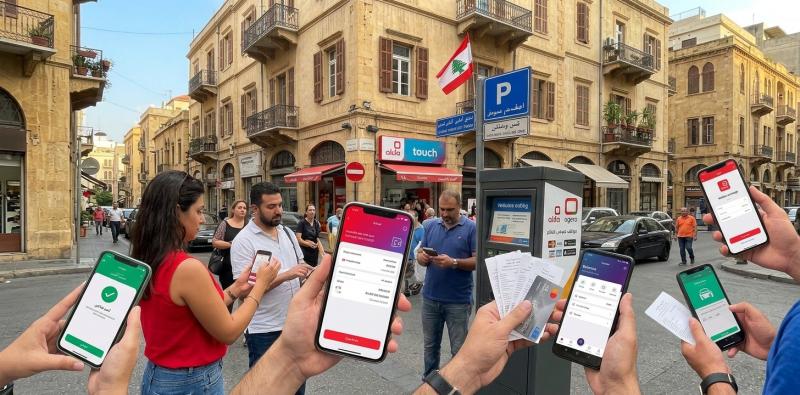
In Lebanon, bill payment applications have become a practical choice for many users seeking a faster way to settle daily dues without the need to visit payment centers or endure long waits.
With the expansion of digital wallets and fintech services, smartphones are increasingly capable of performing a range of financial tasks—from recharging telecom lines to paying certain internet and service bills.
Why Have Electronic Payment Apps Become Crucial in Lebanon?
The spread of smartphones and digital wallets has transformed how users interact with many financial services. Instead of paying each bill separately through a specialized center, it is now possible to complete a series of payments through a single app at almost any time.
However, not all apps offer the same services. Some focus on bill payments and line recharges, while others provide money transfers and online payment services.
Therefore, comparing available options before choosing a digital wallet can help users find the most suitable service for their daily use.
Top Bill Payment Apps in Lebanon 2026

1. Whish Money
Whish Money is among the prominent digital wallets used in Lebanon, combining electronic payment, a digital wallet, and a suite of daily financial services.
Users can benefit from the app to pay various bills, including some telecom and internet services, as well as recharge lines and settle other digital dues depending on the app's available options.
One of its main strengths is the network of agents spread across Lebanon, which facilitates cash deposits and withdrawals into the wallet. Whish Money also offers card-related options and electronic payments, making it suitable for users who want to combine local payments and digital purchases.
Moreover, the nature of the digital wallet helps reduce the need to carry cash in some transactions, enabling users to manage part of their payments directly from their phones.
2. My OMT
The My OMT app offers a digital experience linked to OMT and its wide-reaching service network across various Lebanese regions, providing an important advantage for users needing to top up their wallets or manage financial services through a physical network.
The app allows the execution of numerous payments and services, including some telecom and internet bills, fees, and financial services available via the platform. Users can also leverage OMT's broad network for processes requiring cash transactions.
My OMT is essential for individuals wishing to combine digital financial services with support from an extensive center network. Additionally, the app offers card-related payment options that assist users in managing their daily transactions more flexibly.
3. BOB App
The BOB App from BOB Finance provides a suite of digital financial services targeted at users wishing to manage their payments through their phones.
Supported services allow for recharging phone lines, paying certain internet bills, and settling dues with various entities. It also offers additional financial options that extend its use beyond bill payment alone.
A significant feature linked to the electronic payment experience is the ability to utilize mobile payment solutions and services compatible with digital platforms, simplifying users' daily payment management relying on their phones for most transactions.
Conversely, users should verify the list of supported entities and services within the app before relying on it for a specific bill payment, as the service scope may vary based on payment type and beneficiary entity.
4. MyMonty
MyMonty stands out as an option reflecting the development of the fintech sector in Lebanon, offering a digital wallet that allows users to conduct a variety of financial operations via phone.
The platform's services include options related to electronic payments, virtual cards, some digital payments, and purchasing gift cards and electronic services. The wallet can be used for a range of transactions depending on the supported entities and services.
MyMonty is particularly attractive to users seeking a digital wallet that goes beyond traditional bill payments to manage payments and digital purchases. Additionally, the availability of virtual card solutions makes it suitable for those who rely on online shopping.
Apps Linked to Banking Services
PinPay
PinPay differs from digital wallets mainly relying on agent networks, historically linked to the electronic bill payment system through partnering financial institutions and banks.
It allows eligible users to pay a series of bills and services directly from accounts or payment methods linked to the service, offering an alternative to traditional cash payments. The platform uses cover paying telecom and internet bills and some services and dues with options contingent on the bank and entity, and account type.
Users should check the current status of the service and supporting banks before choosing it, given the significant changes the fintech sector in Lebanon has witnessed in recent years, affecting services, partnerships, or payment mechanisms.
What Can You Pay via Electronic Wallets?
The bill list varies by application, but the main categories available within electronic payment services in Lebanon include:
Telecom Bills
Some apps offer line recharges and payment for postpaid services depending on the service type and platform. This usage is prevalent due to the frequent need for recharges or bill payments.
Internet
Some wallets and apps support paying internet service bills, including some affiliated with Ogero and private internet companies. However, the list of supported companies varies from one platform to another, so searching for the company name within the app before making a payment is advisable.
Official Fees and Services
Some platforms provide options for paying fees and dues associated with official, municipal, or specific transactions, varying by application, government entity, and existing agreements at payment time.
Digital Services and Cards
In addition to traditional bills, electronic wallets have expanded to purchase some digital cards, gift cards, and electronic services, making them a tool for payment and digital consumption.

How to Choose the Best App for Bill Payment?
No single app suits all users, as the best choice depends on the type of frequently made payments. If the primary goal is diverse bill payments and cash wallet recharges, it is beneficial to choose an app with a vast agent network and multiple payment options.
If a user relies more on electronic purchases, a wallet offering a payment card or virtual card may be more appropriate. Additionally, the app's ease of use, transaction speed, clear payment logs, deposit and withdrawal options, and potential service fees should be considered.
It's also crucial to ensure the app's legitimacy and download it from an official app store, avoiding entering financial data on untrusted apps or links.
Is Electronic Payment More Secure than Cash Payment?
Electronic payment can offer a good level of security when using an official app with account and phone protection, though it doesn't eliminate digital risks entirely.
Thus, using a strong password or available verification methods and not sharing login or verification codes is necessary. Reviewing the bill details, amount, and beneficiary name before confirming the transaction is also important.
If a message or link requests card data or verification code under the guise of payment confirmation, it should be handled with extreme caution. Additionally, enabling transaction notifications and regularly reviewing transaction logs is advisable to swiftly detect any unusual activity.
Can Electronic Wallets Be Topped-Up in Cash?
The funding method varies by app, but some digital wallets in Lebanon rely on a network of agents and centers across different areas to facilitate cash deposit and withdrawal operations.
This feature offers a practical solution for users who do not wish to link their bank account to their wallet or lack a suitable electronic payment method. However, fees, limits, and deposit conditions may differ by company and account type.
Therefore, it is recommended to review the application's terms before making a transaction, especially if the user plans to rely on the wallet to settle numerous bills on a monthly basis.
The Future of Electronic Payment in Lebanon
The reliance on electronic wallets and payment apps will likely continue with expanding digital services and the rising need for faster, more flexible financial solutions. As smartphones become an essential part of daily life, shifting more financial services to apps is a natural market evolution.
Moreover, competition among fintech companies, money transfer companies, and financial institutions may drive the development of more user-friendly interfaces and the addition of new services, linking wallets to more payment methods and digital purchases.
However, success in these services remains tied to other factors, such as digital trust, infrastructure stability, internet availability, transparent fees, and the seamless transfer of funds between platforms. As these elements become more efficient, users' ability to rely on phones as a primary tool for managing daily payments increases.
Finally, selecting the best app depends not only on fame but also on the types of bills a user needs to pay, supported entities, service fees, the method of topping up the wallet, and the flexibility level the app provides.
As Lebanon continues its digital transformation, paying via phone seems poised to play a bigger role in daily life, from phone and internet recharges to managing a broader range of services and dues.
Related Links
Liban Post: Major Government Services You Can Complete Electronically
How to Pay Your Electricity Bill Online in Lebanon? Steps and Available Methods